
Is your dog overweight? A practical, vet-safe guide to helping them slim down
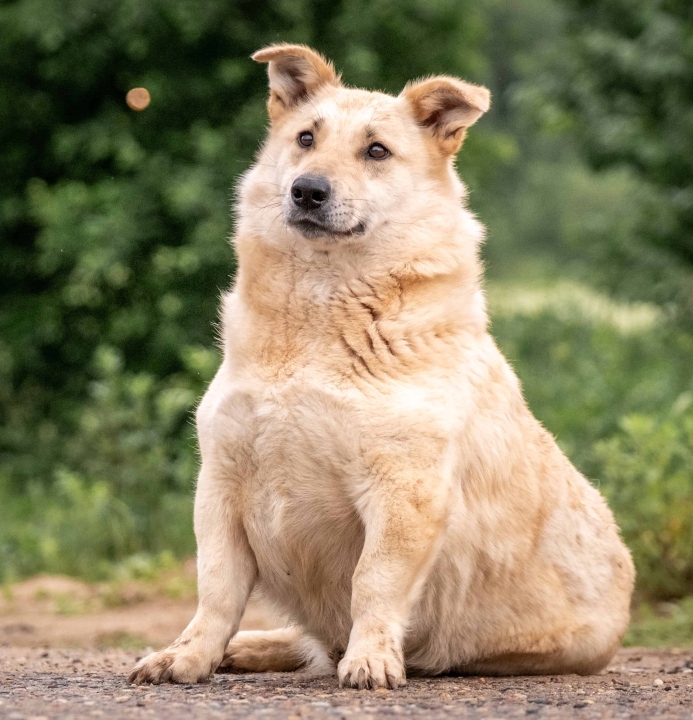
Gently run your hands over your dog’s ribcage. Are the ribs easy to feel, or do you have to press to find them?
This quick check often reveals more about your dog’s health than simply weighing them.
Carrying extra weight isn’t just a cosmetic issue. Extra weight can quietly shorten your dog’s life, little by little.
The upside is that with a few thoughtful changes, you can help your dog get back on track.
How to tell if your dog is overweight
Breed weight charts may offer guidance, but they don’t work for every dog. The same standard shouldn’t judge a muscular mixed breed and a slender greyhound mix.
Charts also do not consider differences in muscle, build, or age. The best assessment comes from physically checking your dog yourself.
To check the ribs, place your hands flat on your dog’s sides over the ribcage. You should be able to feel each rib with gentle pressure, similar to running your fingers over the back of your own hand. If it takes effort to feel the ribs, or if it feels soft like a cushion, there may be extra fat present.
For the waist test, stand over your dog and look down. A fit dog should have a visible waist, a gentle inward curve behind the ribs.
From a side view, the belly should rise toward the back legs, not hang straight across.
If your dog’s middle looks more rectangular than curved, excess weight may be hiding that waistline.
Take a step back and examine your dog’s overall shape. Is there any visible waist? Does the belly move side to side as they walk?
While these aren’t exact scientific tests, they’re practical ways to spot weight gain that a scale might not reveal.
Veterinarians often use a system called the body condition score during checkups, normally ranging from 1 to 9, with 4 or 5 considered healthy.
A score of 7 or above indicates the need for weight loss. Even without the official chart, your own hands and eyes can give you a reliable sense of your dog’s condition.
Why extra weight is a bigger deal than it looks
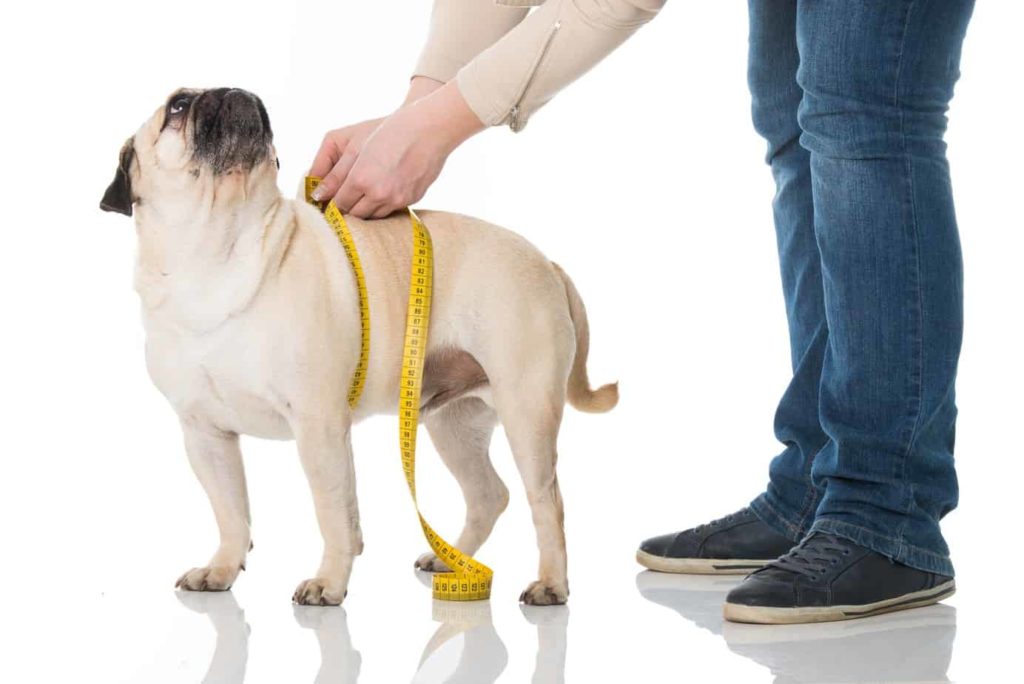
Just a couple of extra pounds on a small dog can have a big impact. In human terms, it’s similar to carrying an additional 20 or 30 pounds everywhere you go. Even small weight gains add up quickly for dogs.
Excess weight puts extra strain on joints, especially the hips, knees, and elbows, with every step your dog takes. Over time, this added pressure can accelerate joint damage and make mild issues more severe.
Dogs with existing joint problems or early arthritis are particularly affected, and losing weight is key to easing their discomfort and helping recovery.
Being overweight also raises the risk of diabetes. Extra fat affects how insulin works in the body, meaning overweight dogs are much more likely to develop diabetes compared to those at a healthy weight.
Since diabetes requires lifelong management, preventing it through weight control is far easier than treating it.
Overheating is another concern. Dogs cool themselves mainly by panting, not sweating like humans, and extra fat acts as insulation, trapping heat.
Overweight dogs can overheat more quickly, take longer to cool down, and are at greater risk during warm weather or vigorous activity.
Carrying extra weight can shorten a dog’s lifespan.
Research shows that dogs who stay lean often live up to two years longer than their heavier siblings, a significant difference in a dog’s life.
None of this is meant to scare you. It’s meant to make the case that this matters enough actually to do something about.
Building a safe, sustainable weight-loss plan
Losing weight safely isn’t about a strict crash diet or skipping meals. Dogs need steady, gradual change, guided by real numbers instead of guesswork.
Ditch the free-feeding bowl. If food sits out all day, it’s nearly impossible to know how much your dog actually eats.
Switch to measured meals; two per day works well for most dogs, using an actual measuring cup rather than eyeballing it. This single change often makes the biggest difference of anything on this list.
Audit the treats. Treats sneak in more calories than owners realize. That daily biscuit, the bites of table scraps, the training treats during walks, it all adds up quietly over a week. Tally up everything your dog eats outside of meals for a few days.
You might be surprised. A good rule of thumb: treats should make up no more than 10% of total daily calories, and smaller pieces go just as far as big ones for a happy dog.
To figure out how many treat calories your dog can have, start by checking how many calories your dog should eat each day (this is often listed on the dog food bag, or your vet can give you a number).
Take 10% of that number to find your treat limit. For example, if your dog needs 400 calories per day, treats should not go over 40 calories total.
Add up the calories from every biscuit, chew, or tidbit to stay under that number. If treat packaging does not list calories, your vet can help estimate, or you can search for typical treat calorie counts online.
Cut calories gradually, not drastically. A sudden, severe calorie cut can backfire, leaving a dog hungry, cranky, and prone to muscle loss instead of fat loss.
A gradual reduction, generally starting around 10-20% below current intake and adjusted with a vet’s guidance, tends to work far better and stick longer.
Weigh your dog every couple of weeks rather than daily. Weight loss isn’t linear, and daily checks invite frustration.
Consider the food itself, not just the amount. Some diets pack more nutrition into fewer calories, which helps dogs feel satisfied without overeating.
Many weight management dog foods are formulated to be higher in protein and fiber but lower in fat, so dogs feel fuller on fewer calories.
There are also prescription weight loss diets your vet can recommend, especially for dogs with a lot of weight to lose or those with medical conditions.
Some owners explore whole-food or homemade options, but it’s important to talk to a vet or canine nutritionist before making big switches.
Whether you go with a grain-free, high-protein, or traditional kibble plan, the goal is a balanced, lower-calorie food that still delivers all the nutrients your dog needs.
If you’re curious about how whole-food approaches fit into a weight management plan, it’s worth reading up on how different diet philosophies affect body condition over time.
Patience matters here. A safe rate of loss is usually around 1-2% of body weight per week. Slow and steady wins this particular race, every time.
Getting moving again, the right way
An out-of-shape dog can’t just jump back into hour-long runs. That’s a recipe for injury, not fitness. Think of it like training for a marathon after years on the couch.
You wouldn’t start with 26 miles, and your dog shouldn’t start with a marathon either.
Start small. Ten to fifteen minutes of gentle walking, once or twice a day, is a solid starting point for most overweight dogs. Watch for heavy panting, lagging, or reluctance to keep moving. Those are signs to ease off, not push through.
Build gradually. Add a few minutes each week as stamina improves. Over a couple of months, many dogs can work up to 30-45 minutes of daily activity without issue.
The goal is steady progress, not a sprint to some arbitrary finish line.
Watch the weather. Overweight dogs overheat faster, so timing matters. Early mornings and evenings are safer than midday heat, especially for dogs already carrying extra weight. If you live somewhere with real summer heat, it’s worth reading up on how to keep exercise safe when temperatures climb.
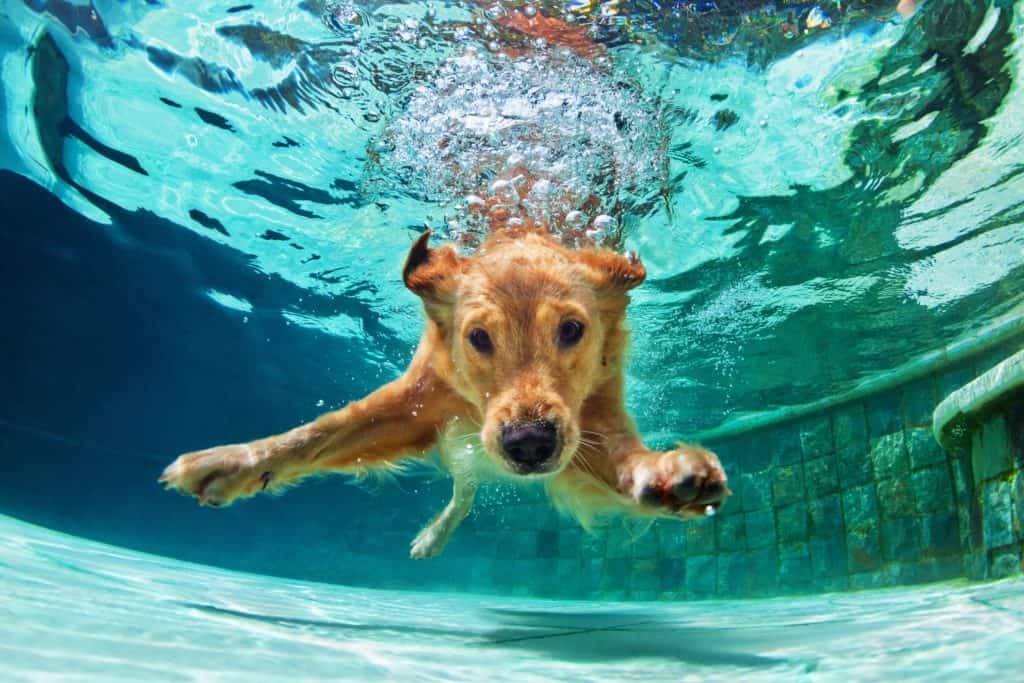
Mix it up. Swimming is fantastic for overweight dogs since it builds muscle without pounding on joints. Gentle games of fetch, short training sessions, even sniff walks that let a dog explore at their own pace all count as movement and mental activity.
For dogs with severe joint pain or limited mobility, try short leash walks at a comfortable pace, use puzzle feeders to encourage activity without jumping or running, and try gentle indoor play like rolling a toy or hiding treats for them to find.
Every bit of gentle movement helps, even if it looks different for each dog.
Consistency beats intensity every time. A dog who walks fifteen minutes daily will outpace one who does an exhausting hour once a week.
Rule out medical causes before blaming the diet
Sometimes weight gain isn’t about food or exercise at all. Certain medical conditions can pack on pounds no matter how careful an owner is, and pushing a stricter diet won’t fix a hormonal problem.
Hypothyroidism slows metabolism significantly, and it’s one of the most common hormonal causes of weight gain in dogs, particularly in middle-aged and senior dogs. Along with weight gain, watch for a dull coat, low energy, and skin issues.
Cushing’s disease happens when the body produces too much cortisol, and it often shows up alongside weight gain, a pot-bellied appearance, increased thirst, and excessive panting.
If your dog is eating a reasonable amount, getting decent exercise, and still gaining weight, that’s a signal worth taking to a vet.
A simple blood panel can rule these conditions in or out, and treating an underlying cause makes any weight-loss plan work far better than fighting it blind. This is worth covering during a routine checkup, especially if weight creeps up despite your best efforts.
Once your dog begins a weight-loss plan, routine check-ins with your vet are important. Most vets recommend a follow-up appointment every 4 to 6 weeks to follow progress and make sure weight loss is happening at a safe rate.
These regular visits let you modify the plan as needed, keep your dog supported, and spot any other health ailments early.
Being connected with your vet throughout the process keeps you and your dog on the right path.
Why crash diets are never the answer
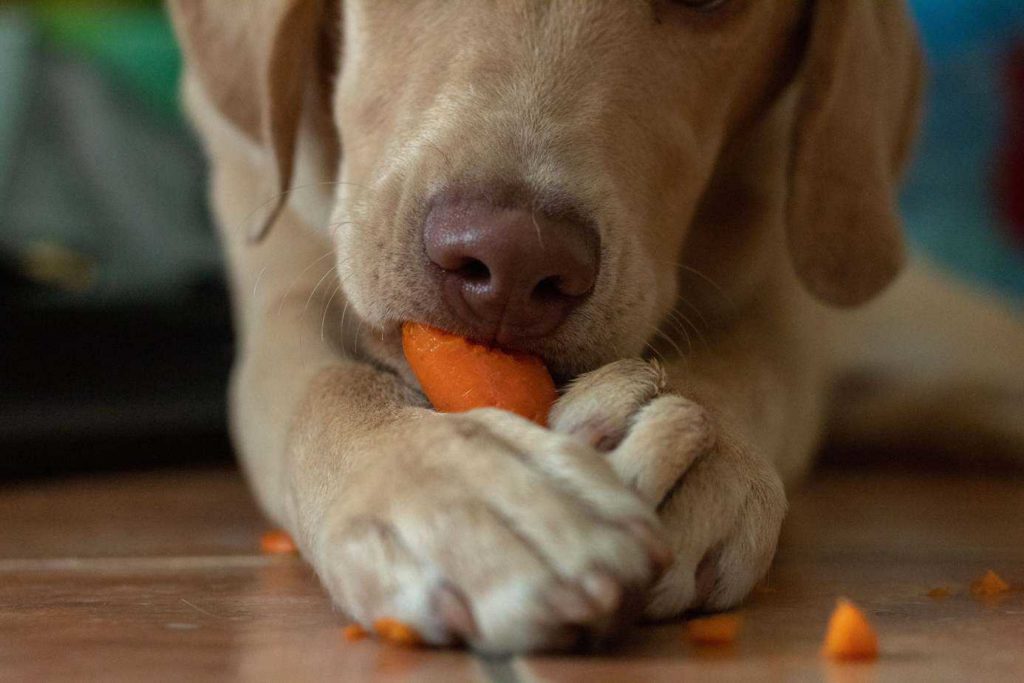
It might be tempting to cut food drastically and get results fast. Don’t. A dog’s body doesn’t handle sudden calorie deprivation well, and the consequences can be serious.
Rapid weight loss can trigger muscle wasting instead of fat loss, leaving a dog technically lighter but weaker overall. It can also stress the liver, particularly in dogs carrying significant excess weight, since a rapid change in fat metabolism puts real strain on liver function.
Beyond the physical risks, a hungry, food-obsessed dog is a miserable dog, and that misery can show up as begging, counter-surfing, or even aggression around food.
There’s no shortcut here, and that’s actually good news. Slow, supervised weight loss, done with a vet’s input and a measuring cup instead of a guess, works. It’s sustainable. It sticks.
The payoff is worth it
A leaner dog moves more easily, plays longer, and feels better in their own body. That’s the whole point. Watching a dog rediscover their energy, their bounce, their willingness to chase a ball across the yard again, that’s a reward no chart or scale can capture.
If your dog is already dealing with joint stiffness or early arthritis alongside the extra weight, a joint supplement can offer real support while the pounds come off.
Glucosamine and chondroitin are common supplements for joint health, and omega-3 fatty acids (often from fish oil) can help control inflammation.
There are also combination formulas made specifically for dogs. It’s worth exploring what options actually help, and checking with your vet about which supplement might be best for your dog.
And if you haven’t already, it’s a good idea to start with the basics of overall dog health, since weight management is just one piece of a much bigger picture.
Sara B. Hansen has spent 20-plus years as a professional editor and writer. She’s also the author of The Complete Guide to Cocker Spaniels. She created her dream job by launching DogsBestLife.com in 2011. Sara grew up with family dogs, and since she bought her first house, she’s had a furry companion or two to help make it a home. She shares her heart and home with Nutmeg, a Pembroke Welsh Corgi. Her previous dogs: Sydney (September 2008-April 2020), Finley (November 1993-January 2008), and Browning (May 1993-November 2007). You can reach Sara @ editor@dogsbestlife.com.