
5 reasons to create a healthy daily routine for your dog

Ever watch your puppy pace by the door at exactly six o’clock, like clockwork? That’s not a coincidence. That’s a routine talking.
If you haven’t given much thought to your dog’s daily schedule, now’s the time. And if you’ve already got one, it’s worth a second look. Life changes. Dogs change. Your routine should keep up.
Here’s the good news: you don’t have to guess your way through this. Every dog is different, sure, but the experts have already figured out what works. We’ve pulled together the best tips so you don’t have to dig through a hundred articles yourself.
Let’s get into it.
Why it’s essential to create a daily routine for dogs
1. Puppies mimic their owners
Dogs pick up more from us than we realize. A study from Michigan State University found that dogs start to mirror their owners’ habits and personality traits over time.
That’s a real responsibility. If you want a calm, confident dog, bring calm, confident energy to your dog’s daily routine and let them follow your lead.
Dogs crave predictability. They want to make you happy, and a steady routine tells them exactly how to do that.
2. They need to pee
Most dogs need to go the second they wake up, so don’t hit snooze. Get up and let them out, whether that means a full walk or just a few minutes in the yard.
3. Puppies aren’t as flexible as you are
Working from home makes flexibility easy for me. My dogs? Not so much.
They eat, sleep, and play on the clock, and they like it that way.
Build the routine around your dog first. Your convenience comes second.
High-energy pups especially thrive on structure. Mix in mealtimes, puzzle toys, and longer walks, and you’ll see fewer behavior problems and faster progress with potty training.
4. Setting a schedule helps you care for them
A consistent feeding and exercise routine keeps you from overfeeding, underfeeding, or shortchanging your dog’s activity time. That means a healthier dog and more years by your side.
Mornings set the tone. Potty, breakfast, then a walk, in that order, and your dog starts the day off right.
Put your dog first, and you’ll end up spending more quality time together, not less.
Remember, a tired dog is a good dog. A brisk morning walk goes a long way toward heading off problem behavior when you have to leave your dog home alone.
5. Dogs don’t know what a routine is
Your dog can’t Google “what is a routine?” and figure it out on its own. That part’s on you.
You owe it to your dog to understand why routines matter and to actually follow through on one.
Need a place to start? The American Kennel Club breaks down why dogs need a routine at every stage of life, and the ASPCA has a solid guide to separation anxiety if that’s something you’re managing too.
Using a schedule can also help young puppies succeed with potty training.
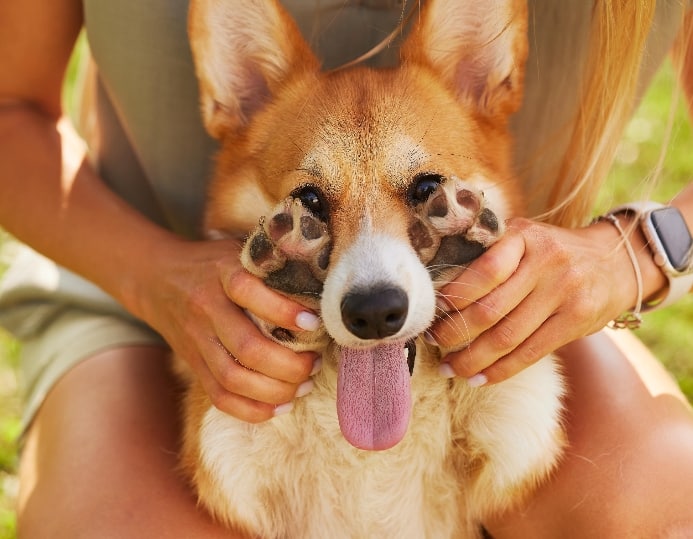
Adjust the routine to create a dog schedule by age
Every life stage calls for its own approach. A schedule that works for your bouncy six-month-old won’t necessarily fit your graying ten-year-old, and that’s fine. Routines should grow with your dog, not against them.
Here’s what to watch for:
Modify exercise routines
As dogs age, energy and mobility often dip. Swap long runs for shorter, more frequent walks. Slow-paced strolls and swimming keep them moving without overdoing it.
Got a dog with arthritis or heart issues? Talk to your vet before changing anything. They’ll help you build a routine that fits your dog’s actual limits, not just their age on paper.
Adapt nutrition
Older dogs often need fewer calories and more support for their joints and overall health, so look for essential nutrients built for their life stage. Keep an eye on their weight too, since extra pounds make existing health issues worse.
If allergies or digestive trouble are in the picture, adjust meals accordingly and loop in your vet to land on the right food.
Adjust grooming needs
Older coats mat more easily, so plan on grooming more often. Dental care and ear cleaning matter even more as dogs age, since infections become more common.
If mobility is an issue, choose easier grooming styles and give your dog a comfortable spot to rest during the process.
Create a comfortable environment
Make your dog’s world easy to move through. Swap stairs for ramps. Set up a cozy sleeping spot they don’t have to work to reach.
Temperature matters too. Older dogs struggle to regulate body heat, so keep them cool in summer and warm in winter.
Increase veterinary check-ups
More frequent vet visits catch problems early. Schedule them more often for older dogs, and adjust the daily routine based on what your vet recommends.
Be attentive to behavioral changes
Watch for shifts in anxiety, appetite, or sleep as your dog ages. These changes are cues, not random noise. Respond to them, and adjust the routine to give your dog more reassurance and comfort.
Routine templates by age and breed size
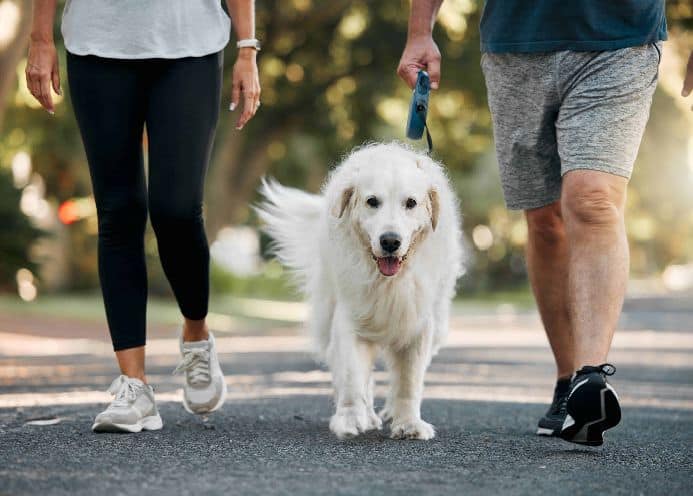
Every dog is different, but a starting point makes life easier. Use these templates as a flexible guide, then tweak based on what your dog actually needs.
Puppy daily routine chart (8 weeks to 6 months)
Puppies need structure, frequent bathroom breaks, and a lot of sleep. Here’s a sample chart to get you rolling:
6:00 AM — Wake up, immediate potty break
6:15 AM — Breakfast (first of three daily meals)
6:30 AM — Short play session (10 to 15 minutes)
7:00 AM — Nap time (puppies sleep 16 to 18 hours a day)
10:00 AM — Potty break
10:15 AM — Playtime and light training (5 to 10 minutes)
10:45 AM — Nap time
12:00 PM — Lunch and potty break
12:30 PM — Playtime or socialization
1:00 PM — Nap time
3:00 PM — Potty break and short walk
3:30 PM — Nap time
5:00 PM — Dinner and potty break
5:30 PM — Playtime and training
7:00 PM — Wind-down time, light activity
9:00 PM — Final potty break
9:30 PM — Bedtime
Note: as your puppy grows from three to six months, cut meals down from three a day to two, and stretch out play and training sessions as their stamina builds.
Adult dog daily schedule by breed size
Adult dogs, roughly one to seven years old, have more stamina, but they still need a consistent schedule built around their size and breed.
Small breeds (e.g., Chihuahua, Shih Tzu, Pomeranian)
- Feeding: twice daily (morning and evening)
- Walks: 20 to 30 minutes, twice a day
- Playtime: 20 to 30 minutes of indoor or light outdoor play
- Rest: small breeds tire quickly, so build in mid-day naps
Medium breeds (e.g., Beagle, Cocker Spaniel, Border Collie)
- Feeding: twice daily
- Walks: 30 to 45 minutes, twice a day
- Playtime: 30 to 45 minutes of active play or fetch
- Rest: one nap period mid-day
Large breeds (e.g., Labrador, German Shepherd, Golden Retriever)
- Feeding: twice daily (skip exercise right after meals to lower bloat risk)
- Walks: 45 to 60 minutes, twice a day
- Playtime: 30 to 60 minutes of vigorous activity
- Rest: give them ample downtime after exercise
Senior dog routine (7+ years)
Older dogs need a gentler pace, more rest, and closer health monitoring. Here’s how to adjust:
- Morning: a short, slow-paced walk (10 to 15 minutes) after breakfast
- Mid-morning: rest or light indoor play
- Afternoon: a brief outdoor sniff walk or gentle backyard time
- Evening: a light walk and quiet wind-down time
- Throughout the day: easy access to water, a comfortable resting spot, and warmth
Senior-specific tips: switch to a senior-formula diet, book vet check-ups every six months, and watch for joint stiffness or fatigue that might mean it’s time to scale back activity even further.
How to transition to a new routine
Changing your dog’s schedule doesn’t have to turn your house upside down. Go gradual, go intentional, and you’ll both come out the other side just fine.
- Shift times gradually: don’t yank meal or walk times around overnight. Move them by 10 to 15 minutes a day until you land on the new schedule. Small steps mean less anxiety and confusion for your dog.
- Use positive reinforcement: treats, praise, play (whatever lights your dog up); use it when they roll with the new routine. Positive associations speed up the whole process.
- Stay consistent: life gets busy, but stick to the new schedule as closely as you can. Wobbling back and forth confuses your dog and drags things out.
- Change one thing at a time: adjusting feeding, walks, and bedtime all at once is a lot to ask. Tackle one change, let it settle, then move to the next.
- Give it time: most dogs settle into a new routine within one to two weeks. Stay patient. Stay consistent. Trust the process.
Address routine challenges
Even a rock-solid routine hits bumps. Here’s how to handle the most common ones:
- Multiple dogs: different energy levels and dietary needs can turn one household into chaos. Align feeding and walk times where you can, and separate dogs if competition becomes an issue.
- Unpredictable work schedules: shift work makes exact timing tough. Keep feeding, potty breaks, and walks within a reasonable window instead of an exact hour. A dog walker or sitter can fill the gaps you can’t.
- Travel and holidays: disruptions happen. Bring familiar items like your dog’s bed, toys, and food along, and stick to their usual feeding and exercise times as closely as you can. If you’re boarding your dog, hand the caretaker their routine so they can keep it going.
Frequently asked questions
What if my dog refuses to follow the routine?
Some pushback is normal, especially early on. Dogs thrive on consistency, so don’t give up. Reward them with treats, praise, or play when they follow along—still resisting? Slow things down, introduce changes one at a time, and check with your vet to rule out a health or behavior issue underneath it all.
How strict does the schedule need to be?
It doesn’t need to run like a Swiss watch. Consistency matters more than precision. Keep feeding, walks, and bedtime within the same general window each day, and you’re golden. A flexible routine beats no routine every time. Life happens, and one off day won’t undo your progress.
Can routines reduce separation anxiety effectively?
Yes, and it’s one of the most powerful tools you’ve got. When your dog knows what to expect, including when you’ll leave and when you’ll walk back through the door, uncertainty drops, and so does anxiety. Pair a steady routine with gradual alone-time training and a calming cue, like a specific phrase or toy before you head out, and you’ll see real progress over time.
Final thoughts on creating a daily routine for your dog
Your dog’s needs matter just as much as yours. If the cold isn’t their thing, walk them midday instead, even if it throws off your schedule a little.
Routines bend. You can break them occasionally or reshape them entirely when life calls for it. Re-establishing your dog’s schedule after summer, for example, can help them adjust when the kids head back to school.
Most problems start when there’s no routine at all, not when the routine isn’t perfect.
The good news? It’s never too late to start. Put in a little thought, stay off autopilot, and your dog will thank you for it.
Elizabeth Skinner is a freelance online essay editor and essay writer. A lifelong dog owner, she believes any household can benefit from a four-legged friend. She lives with her husband, two children, and three dogs.