
Getting veterinary care when your pet needs help fast
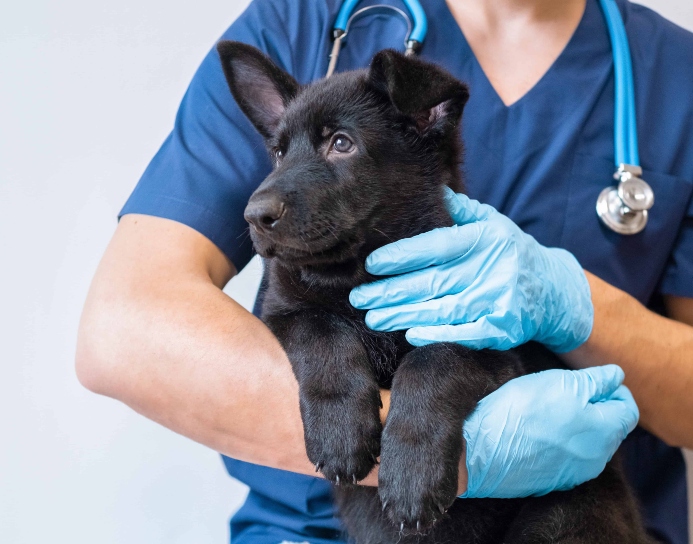
Many pet owners struggle to tell the difference between a routine problem and one that needs same-day treatment.
A symptom that seems minor at first can shift quickly, especially at night, on weekends, or during holidays, if you need timely care for a problem that should not wait for the next open appointment.
That’s when it’s time to consider using an urgent vet care clinic like UrgentVet, a trusted after-hours emergency vet alternative that offers fast, affordable same-day veterinary urgent care for pets, because your pet can’t wait to feel better.
Learning how urgent vet care fits between your family veterinarian and a full emergency hospital can make hard decisions feel more manageable.
Recognizing signs that need prompt care
Your pet does not have to be in obvious crisis to need fast medical attention.
Repeated vomiting, sudden limping, eye irritation, ear pain from an infection, or a wound that keeps bleeding lightly can all justify a same-day visit.
So can a dog that refuses food, a cat that hides and will not move normally, or a pet that seems weak and uncomfortable for no clear reason.
Trouble urinating is especially concerning because it can become dangerous quickly, particularly in male cats. If something feels sharply different from your pet’s usual behavior, that change deserves respect.
True emergencies still require a different level of response. Severe breathing difficulty, collapse, seizures, major trauma, a swollen belly, or suspected poisoning should send you to an emergency hospital right away.
The challenge for many owners is that symptoms often unfold gradually rather than dramatically. A dog may only seem restless at first, while a cat may become still, quiet, and withdrawn.
Watching for progression matters, because waiting too long can turn a treatable problem into a more serious one.
Choosing between urgent vet care and emergency care
Urgent vet care fills an important space between routine appointments and critical emergency treatment.
It is often the right choice for issues that need attention soon but are not clearly life-threatening, such as vomiting, minor wounds, skin flare-ups, limping, kennel cough symptoms, or suspected infections.
Emergency hospitals are better equipped for cases involving shock, severe bleeding, breathing distress, or conditions likely to require surgery or overnight monitoring.
Knowing that difference can save valuable time when your regular clinic is closed. It also helps you avoid the paralysis that comes from trying to guess wrong under pressure.
If you are unsure where to go, call before you leave home if possible. Explain when the symptoms started, whether they are getting worse, what your pet may have eaten, and any medical conditions or medications already in play.
Veterinary teams use that information to guide you toward the right level of care and prepare for your arrival.
It is also smart to mention recent heat exposure, a fall, a fight, or access to human medications or household toxins. A short, clear conversation can make the next step easier and safer.
Preparing before an urgent visit is needed
The best time to make a plan is before anything goes wrong. Save your primary veterinarian’s number, the closest emergency hospital, and a trusted urgent clinic in your phone so you are not searching while stressed.
Keep vaccination records, medication details, and major diagnoses in one easy place, whether that is a folder, app, or notebook by the door. Make sure your cat carrier and your dog’s leash or harness are always accessible. Those simple habits can cut down the confusion that often slows families during an already tense moment.
Transport deserves more thought than many owners expect. Even a gentle pet may scratch or bite when frightened or in pain, so move carefully and handle as little as possible. Support cats with a towel if needed and use a blanket as a sling for a weak dog entering the car.
Avoid offering food, water, or human pain medicine unless a veterinary professional specifically tells you to do so. For owners comparing same-day options during evenings or weekends, an urgent vet clinic can help identify care for non-life-threatening concerns.
Knowing what happens during and after an urgent vet care visit
Once you arrive, the team will usually begin with triage. That quick first assessment checks breathing, pain, temperature, heart rate, hydration, and overall stability before the full exam begins.
Some pets go straight to treatment, while others can wait briefly if their condition appears stable. You can help by answering questions clearly and sticking to the timeline of symptoms as best you can. Small details often matter more than owners realize, especially when the problem started suddenly.
During the visit, your pet may need bloodwork, x-rays, wound care, anti-nausea medicine, pain relief, or supportive treatment such as fluids. The veterinarian should explain what they suspect, what tests are worth doing now, and what warning signs would mean returning the same day.
Before leaving, make sure you understand the medication plan, feeding instructions, and the difference between expected recovery discomfort and a sign that things are getting worse.
Pets often look better before they are fully stable, which is why close observation at home matters. Good follow-through after urgent treatment is a big part of helping your dog or cat recover.
Bayezid Hassan is a vet care service writer who covers pet health, wellness, and access-to-care topics, helping pet owners understand when and where to seek treatment for their dogs and cats. His writing focuses on translating veterinary guidance into clear, practical steps that pet parents can act on with confidence during stressful moments.