
7 ways to keep dogs mentally stimulated and happy
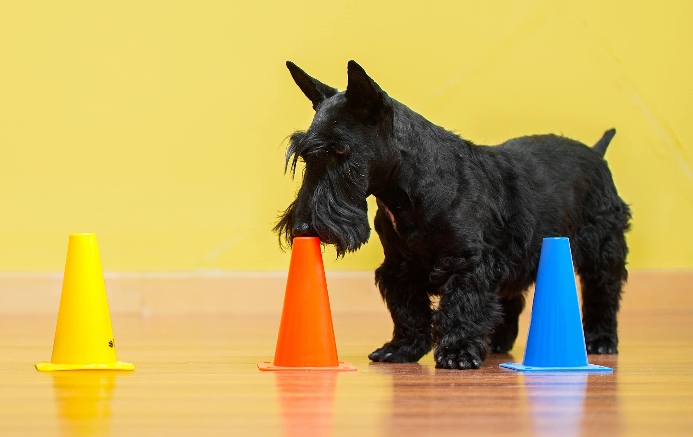
Dogs feel best when their minds and bodies are engaged. While exercise in the form of walks, fetch, and playtime addresses their physical requirements, dog mental stimulation keeps them focused, relaxed, and well-mannered.
When brain activity is insufficient, dogs tend to express themselves through destructive tendencies, hyperactivity, or barking.
That is why adding mental stimulation to dogs’ daily routine is as vital as exercise.
In this guide, we will look at practical and fun ways to keep your dog’s brain active and happy.
Puzzle toys and interactive games
Interactive toys and puzzle feeders are among the best mental stimulants for dogs.
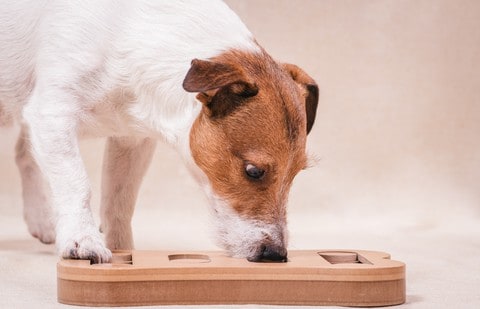
They must problem-solve by sliding panels to expose treats or pawing a ball that releases kibble. Food rewards make the activity enjoyable and engaging, sustaining their attention for extended periods.
To avoid boredom, switch to different toys every week. That way, your dog never feels bored and always feels challenged.
While puzzle toys are great for indoors, mental stimulation doesn’t have to stay in the living room.
Move it outside.
Scent walks
The nose is a superpower for dogs. One easy way to practice canine mental stimulation is with sniff walks.
Instead of walking quickly through your usual walk, let your dog pause, sniff, and investigate. Studies confirm sniffing reduces stress and increases dopamine, the happy hormone in dogs.
Select routes with grass, trees, or novel environments. The diversity of scents turns an ordinary walk into an enriching mental adventure.
Sniffing is not the only discovery game. You can also introduce the excitement of a treasure hunt into your very own home.
Hide-and-seek and find-it games
Dogs enjoy games that stimulate their brains and instincts. Hide-and-seek is ideal for this purpose.
Ask your dog to sit, hide somewhere in your home, and call them to locate you. It enhances recall training while keeping them busy.
Another such variation is the find-it game.
Hide your dog’s favorite toys or treats in various spots around the house and challenge your pup to find them. This activity engages their hunting instincts and provides enjoyable playtime.
It also transforms mealtime into an opportunity for mental stimulation for your dog.
Scatter feeding and snuffle mats
Dogs will usually devour meals placed in front of them, but you can temper this impulse while challenging their brains.
Spreading kibble across the house encourages your dog to utilize their nose and problem-solving abilities to find food.
Snuffle mats are the same. With layers of fabric concealing treats, dogs dig and sniff out their meal. It not only provides mental stimulation for puppies but also keeps the older dogs happy and smiling.
Food games are excellent, but training sessions provide structure and reinforce the bond you share.
Brief training sessions
Dogs love learning, and training is an excellent way to provide mental stimulation. Practice basic commands, learn new tricks, or even do agility training.
A mere 10 to 15 minutes a day will exhaust your puppy’s mind while setting a good behavioral example.
Positive reinforcement with treats or praise makes training enjoyable and boosts your dog’s confidence.
As a bonus, you’ll find that communication with your pet improves as they better understand cues.
Beyond training, structured play can also give your pup’s brain a workout.
Spinning toys and novel challenges
Just like children, dogs tire of the same toys. Rather than have everything out at once, rotate toys weekly. When old toys come back, they are fresh and exciting once again.
They provide happiness and mental stimulation for the dogs.
Introduce simple challenges, like securing a safe rope to a doorknob for a game of tug-of-war. These slight variations ensure that daily play remains mentally stimulating for your dogs.
But occasionally, the best mind exercise is also the easiest: spending time together.
Quality bonding time
Canine mental stimulation isn’t all about toys and games.
Spending quality time together, whether through gentle grooming, practicing calm commands, or cuddling, provides emotional support and mental stimulation for dogs. It reminds your puppy that they are safe, loved, and secure.
It not only keeps them content but also reduces loneliness, a major contributor to destructive behavior.
This approach helps in strengthening the bond with animals.
However, pet parents and veterinary professionals approach pet health and well-being differently. Vets benefit most from ongoing education.
Pet owners, on the other hand, can use simple enrichment ideas at home to keep their dogs mentally stimulated.
Only a good, skilled veterinarian can give sound, solid advice to pet owners about the health and happiness of their beloved pets.
FAQs
How can you mentally stimulate your dog at home?
Puzzle toys, scent games, scatter feeding, and toy rotation are good ways to stimulate your dog mentally. Even hide-and-seek games are a good mental exercise for your dogs who enjoy being indoors.
Is mental stimulation more important than physical exercise?
They are both essential to your pet’s health. Exercise keeps dogs in shape, but mental stimulation prevents boredom, anxiety, and destructive behavior. It directs their energy to something positive instead.
How much mental stimulation does a puppy need?
Brain stimulation for puppies should remain brief and engaging, lasting 5 to 10 minutes. Games, basic training, and snuffle mats build young minds without overloading them.
Keep learning
As a veterinarian, are you looking for ways to level up your expertise?
Resources such as free sponsored veterinary CE webinars enable professionals to advance their knowledge about mental health and the stimulation of dogs.
Combining increased knowledge with regular mental stimulation for your dog ensures long-term well-being. In addition to expertise, enrichment activities that fit your dog’s personality can be the key difference.
Providing mental stimulation for your dogs
Each dog is a unique individual. An energetic Border Collie might be yearning for challenging agility training, whereas an older Labrador will be happy with gentle scent games.
Monitoring your dog’s choices and preferences helps you choose activities that are enjoyable and appropriate for their breed.
Personalizing activities prevents your dogs from becoming overwhelmed and keeps them stimulated. This balance makes mental enrichment rewarding rather than successful.
Now that we’ve discussed things in detail, let’s wrap it up with the final thoughts.
Final thoughts
Including dog mental stimulation into daily habits changes your pup’s life. From sniff walks and training to interactive toys, the possibilities are endless.
By occupying their minds, you are not only keeping bad habits at bay, but you’re also providing them with a better, healthier future.
For professionals who want to enhance their skills further, look for relevant resources in veterinary training. The more we know, the better we can care for our canine friends.
Because when you nurture your dog’s mind, you strengthen the heart of your relationship.
Ethan Ward, DVM, has always had a soft spot for dogs and a passion for understanding how they thrive. Outside the clinic, he enjoys weekend trail walks and spending time with the pets he fosters. When he isn’t writing practical health insights, he’s usually studying new veterinary care methods or helping pet owners navigate their dogs’ chronic conditions with confidence.