
Avoid making 7 grooming mistakes that can harm your puppy

Your dog’s health is your priority. You feed him properly every day. You want to groom him yourself. Maybe you’ve heard stories about groomers who abused dogs. Or you want to save some money.
But you must know grooming your puppy can be difficult, messy, and occasionally frustrating. Your dog may refuse to follow your commands. Or, what’s worse, you might be making grooming mistakes.
Grooming is a skill. Like other skills, you can master them with practice and persistence.
How you groom your dog affects his behavior and overall health. Therefore, it is of utmost importance that you learn how to groom your dog.
Don’t give up even if you realize you’re guilty of previously committing grooming mistakes.
Learn how to avoid dog grooming mistakes, and you’ll have a healthy, clean dog who doesn’t mind getting a bath or having his nails trimmed.
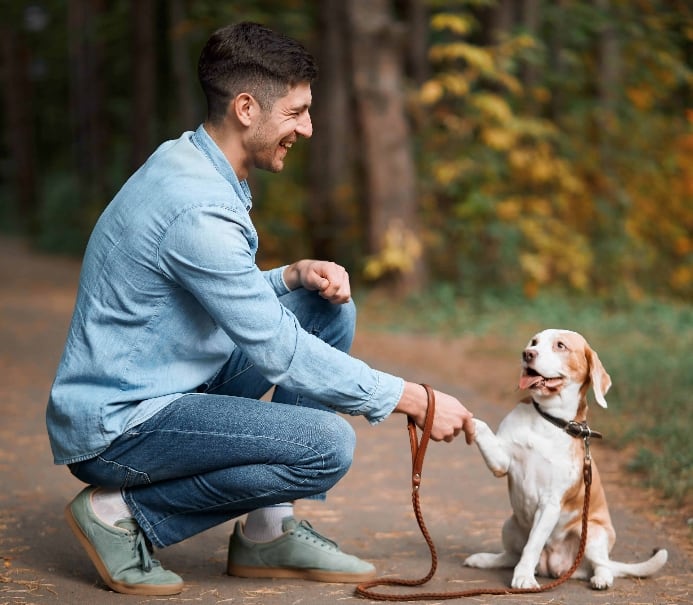
Failing to train your dog
If you want the grooming process to be stress-free, prepare your puppy for it.
Starting training him as early as possible will make everything easier. Make sure your puppy is comfortable being touched everywhere.
One way to do this is to touch him everywhere, every day. Touch him when playing and make it fun. Soon, he will start associating your touch with love. Have family and friends touch him once he is comfortable with you touching him anywhere.
You want him to be accustomed to other people touching him because you’ll need to take him to the vet regularly, and you might need a groomer’s help someday.
Touching your dog is soothing and can help you detect lumps and other minor injuries that might need medical attention.
Praise and reward your dog while bathing or brushing his fur to make grooming comfortable. Give him treats when grooming him. Soon, he will understand grooming is fun.
Remember, patience is the key to success. Do not rush him. He will naturally get used to grooming as you do it properly and regularly.
Inconsistent grooming schedule
Just because your dog is clean or his scheduled grooming session is next week doesn’t mean you can ignore grooming. Some dog owners make the grooming mistake of going months or even years without bathing or brushing their dogs.
If you do not groom your dog regularly, he will likely fight the experience.
That will make grooming stressful and frustrating for both of you.
Build regular grooming sessions into your dog’s routine.
By cutting his nails or brushing his hair regularly, you’ll reduce your dog’s stress about taking a bath. If your dog is just a little dirty, you can also delay giving him a full bath by using grooming wipes.

Moving too quickly
Some dog owners hate grooming their dogs. They want to get the work done and move on to other activities.
While you may think you are saving time, moving too fast comes at a cost. You fail to clean your dog correctly. Worse, you could injure him.
When you rush, you increase the risk of getting shampoo in your dog’s eyes, which will irritate them and make your dog even less willing to take a bath.
You also may fail to properly rinse off the shampoo, which can cause your dog’s skin to get dry and itchy.
The best thing you can do for yourself and your dog is to slow down and take your time. Rushing and failing to get your dog clean is a common mistake.
Wash him slowly and efficiently, then rinse him thoroughly to remove all shampoo.
Use dog-specific shampoo
Use a shampoo specifically formulated for dogs. Human shampoos can be too harsh for a dog’s skin and may irritate it.
Use warm water
Use lukewarm water to wet your dog. Avoid hot water, as it can dry out your dog’s skin.
Protect the ears
Be careful not to get water in your dog’s ears, as this can lead to ear infections. To prevent water from getting into the ear canal, place a cotton ball in each ear.
Thoroughly rinse
Thoroughly rinse off all the shampoo from your dog’s coat. The residue left on the skin can irritate.
Towel dry
Gently towel dry your dog after the bath. If your dog has long hair, you may also want to use a blow dryer on a low setting to dry the coat thoroughly.
Regular schedule
Establish a regular bathing schedule based on your dog’s needs. Bathing too frequently can strip the skin of natural oils while bathing too infrequently can lead to a dirty and matted coat.
Forgetting to brush before getting him wet
Brushing before bathing is essential if your dog has long hair.
Not only does brushing remove dirt and loose hair, but failing to do so increases the likelihood of the hair tangling when it gets wet.
Wet, tangled hair can be nearly impossible to brush without causing pain and discomfort for the dog.
Use the right brush
Different types of coats require different brushes. For example, a slicker brush suits dogs with long or curly hair, while a bristle brush works well for short-haired breeds.
Choose a brush that is appropriate for your dog’s coat.
Start from the bottom
Begin brushing your dog’s coat from the bottom and work your way up. This approach helps to detangle the hair and remove dead hair without causing discomfort to your dog.
Be gentle
Brush your dog’s coat gently, especially if he has sensitive skin. Avoid pulling on tangles or mats, as this can be painful for your dog.
Pay attention to tangles
If you encounter tangles or mats, use a detangling spray or conditioner to make brushing them out easier. Gently work through the tangles using your fingers or a wide-toothed comb.
Brush in the direction of hair growth
Always brush toward your dog’s hair growth to prevent discomfort and minimize hair breakage.
Complete the entire coat
Brush the entire coat, including the chest, legs, and belly. Remember areas like behind the ears and under the tail.
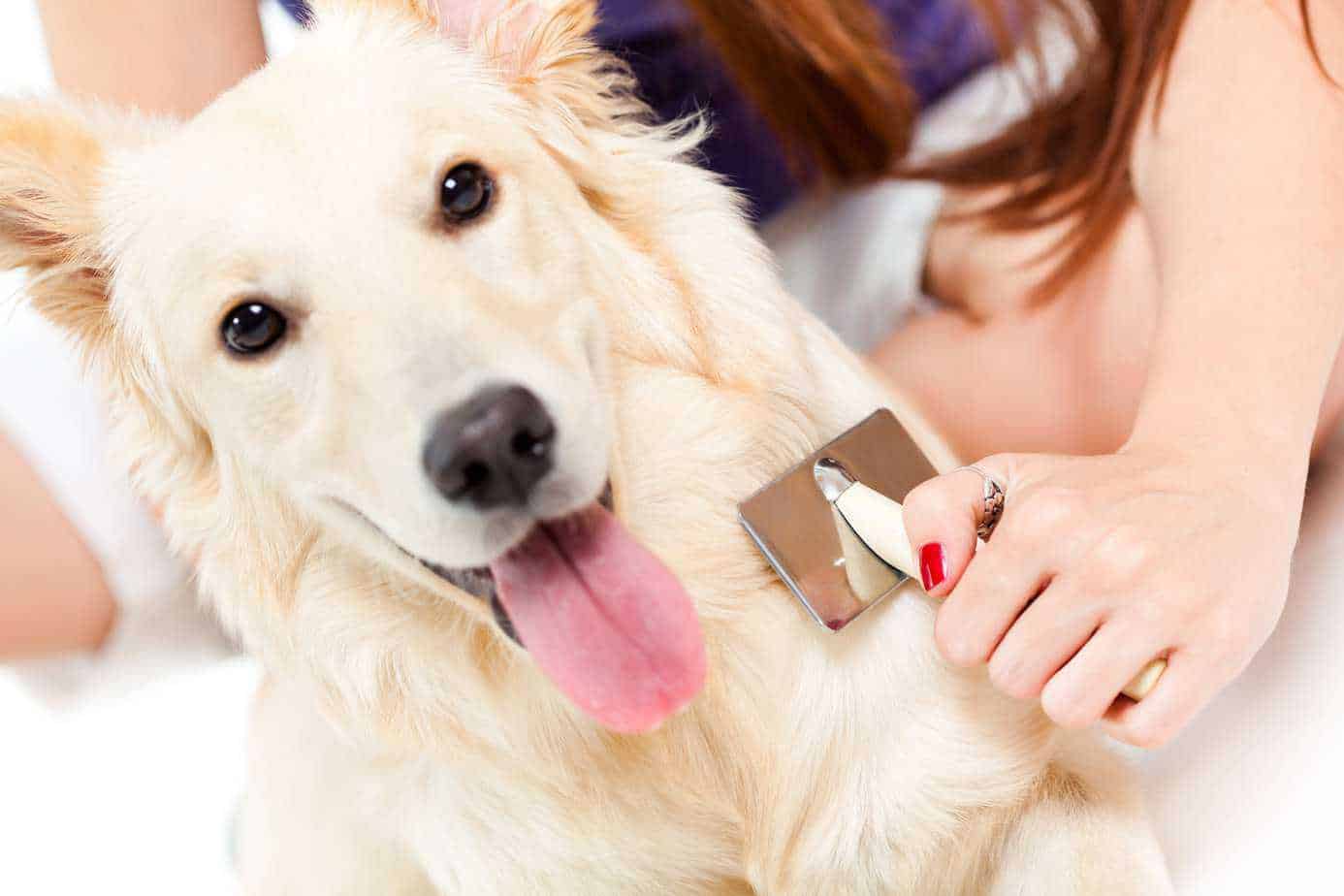
Failing to brush after the bath
You should also brush your dog again after the bath. Brushing removes additional loose hair and keeps your dog’s coat shiny and healthy.
Always use a soft brush that doesn’t pull the hair. Avoid rough or rigid brushes. If you have a dog with a lot of hair, consider investing in a de-shedding tool like a Furminator.
Use a clean brush
Start with a towel dry
Use a gentle brush
Brush in the direction of hair growth
Pay attention to tangles and mats
Finish with positive reinforcement
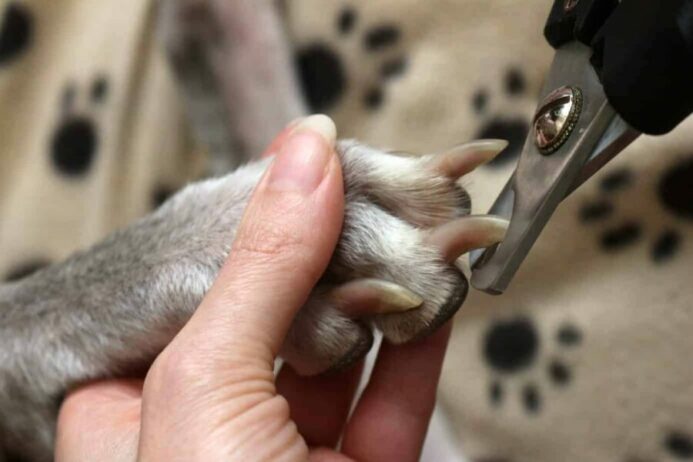
Skipping nail clipping
Most dog owners and their dogs hate nail-trimming time. Owners worry they’ll mistakenly cut the nails too short and cause the quick to bleed. The quick looks like a pink or black circle, depending on the color of your dog’s paws.
Dogs sense their owners’ nerves, making them unwilling to submit.
Owners willing to cut their dogs’ nails must invest in good clippers, learn how to use them, and keep them sharp.
Dull clippers will crush nails instead of trimming them.
Use the right tools
Ensure you have the right tools for trimming your dog’s nails, such as good-quality, sharp clippers. Different types of clippers are available, including guillotine-style and scissor-style clippers. Choose the one that you find most comfortable to use.
If you prefer, you can use an electric nail-grinding tool.
Get your dog used to the clippers
Before trimming, introduce your dog to the nail clippers and let him sniff and inspect them. This will help him become more comfortable with the clippers and reduce anxiety during trimming.
Identify the quick
Be careful not to trim the nails too short, as this can cause bleeding and discomfort for your dog. The quick is the blood vessel inside the nail; cutting into it can be painful.
The quick is easily visible in dogs with light-colored nails as a pink area. For dogs with dark-colored nails, it’s best to trim small amounts at a time to avoid cutting into the quick.
Trim a small amount at a time
Start by trimming a small portion of the nail at a time to avoid cutting into the quick. If you are unsure how much to trim, it’s better to be conservative and trim small amounts repeatedly rather than cutting too much.
Use positive reinforcement
Offer treats and praise to reward your dog during and after the nail-trimming session. This will help create a positive association with the process and make it easier for future sessions.
Be patient
If your dog is anxious or uncomfortable during nail trimming, take breaks and offer reassurance to help him relax. Staying calm and patient helps ensure a safe and positive experience for your dog.
Another option: Pay a vet tech or groomer to trim your dog’s nails.
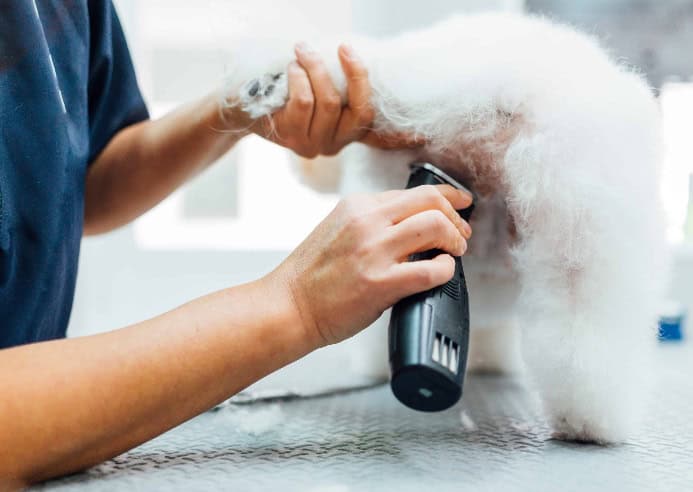
Shaving too close
Shaving too close to your dog’s skin with dull clippers can cause razor burn. If left untreated, razor burns can pose a severe risk to your dog’s health.
Always use sharp blades when shaving since they do not catch and skip. Sharp blades protect your dog’s skin and spread his coat evenly.
Consider the breed
Not all dogs should be shaved. Some breeds have double coats that provide insulation and protection from heat and cold.
Shaving these dogs can lead to skin problems and interfere with their natural cooling and heating mechanisms. Consult a professional groomer or veterinarian to determine if shaving suits your dog’s breed.
Use the right equipment
If you proceed with shaving, use clippers specifically designed for pet grooming. Choose clippers with the appropriate blade size for your dog’s coat length and thickness. Ensuring the clippers are in good condition and properly lubricated is also crucial.
Brush and bathe your dog
Before shaving, brush your dog’s coat to remove any tangles and matting. Bathing your dog beforehand will also help remove excess dirt and oils, making the shaving process more comfortable for your dog and ensuring a smooth, even cut.
Take your time
Shaving your dog’s coat requires patience and a steady hand. Start with slow, gentle passes with the clippers, and carefully work through the coat to achieve an even length.
Be especially cautious around sensitive areas such as the face, ears, and belly.
Watch for skin irritation
Shaving too close or against the grain can lead to skin irritation, razor burn, or nicks. Watch for any signs of discomfort or redness during and after shaving.
Seek professional guidance
If you’re unsure about how to shave your dog’s coat properly, consider seeking the assistance of a professional groomer.
They have the expertise and experience to perform the task safely and effectively. Remember that shaving your dog’s coat is a significant grooming decision, and it’s important to consider the potential effects on your dog’s health and well-being.
Always prioritize your dog’s comfort and seek professional advice when in doubt.
Final thoughts on dog grooming mistakes
Grooming your dog is essential for his health and overall well-being. It is crucial to avoid grooming mistakes to properly clean your dog without hurting him or wasting your time or money.
Still, worried you don’t have the skills you need? Consult your vet or a grooming professional for more tips.
Scott Mathews is a professional content and SEO writer for nerdy writers and my essay services. He regularly contributes his views and opinions on EssayMama and Australian Writings. You’ll find him playing with his two lovely dogs or assisting college students on Bestessaytips during his free time.