Say goodbye to hyperactivity: 11 strategies to calm your puppy
Manage hyper puppy energy with effective tips. Learn about exercise needs, daily routines, and crate training to promote calm behavior.

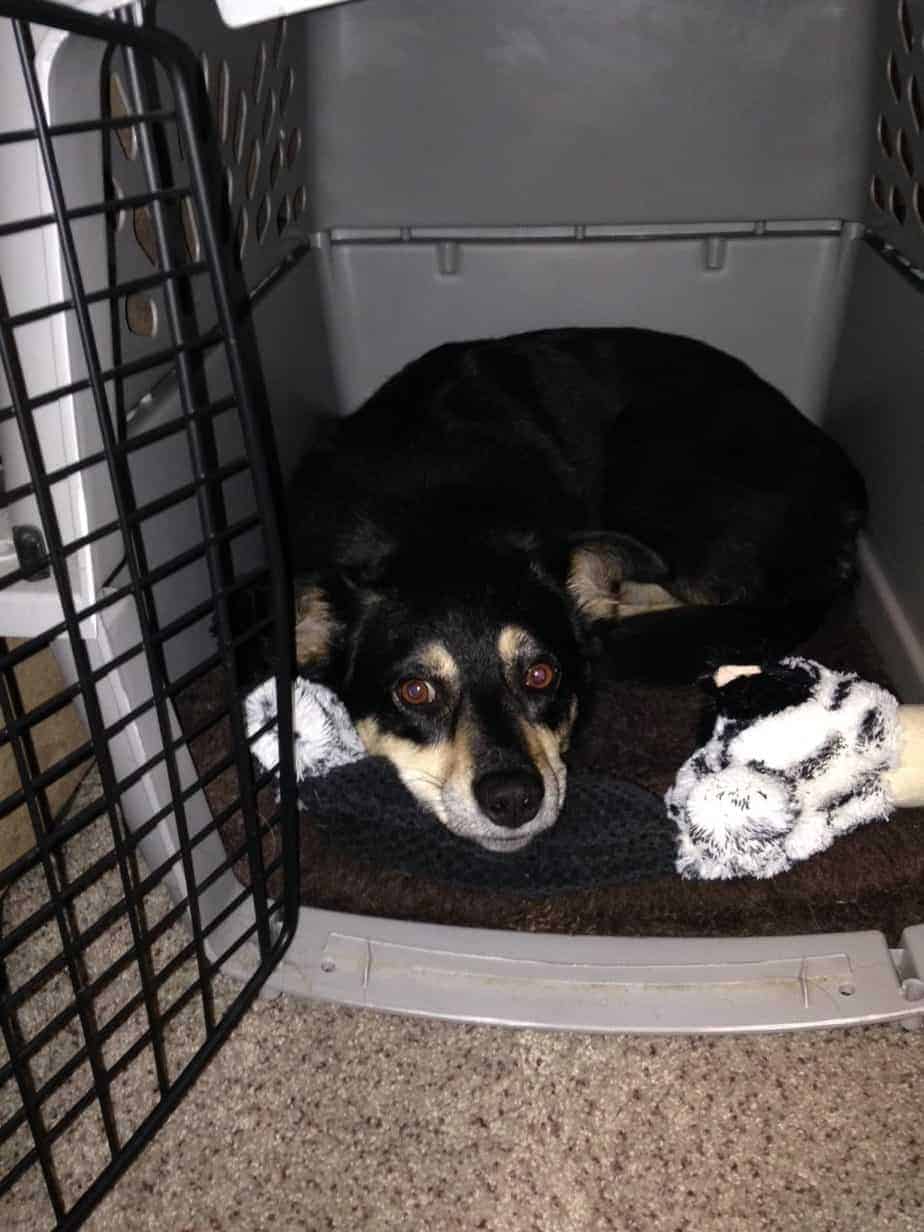
Puppy crate training works by establishing a training routine that helps avoid accidents. Make the crate your dog’s safe space.
Crate training tips: Never use the crate for punishment or isolation. If your puppy begins to associate the den with being ignored or punished, then they will quickly stop wanting to use it.
Soft dog crates create cozy dens: Soft containers create a comfortable, safe space for your puppy. That makes it easier to house-train your dog and help overcome separation anxiety.
Follow simple rules: Crating a puppy is an excellent way to housebreak him. After a certain age, most puppies will not poop where they sleep or eat.
3 tips for first-time puppy owners: Using a crate provides your puppy with a safe, calm place to rest.
7 tips to get your puppy started right: Set boundaries. Using a container helps keep your puppy safe and out of trouble when you’re not home.
New potty training techniques: Create a routine.
Old thinking: Get your dog outside several times a day and confine the dog when left home alone.
New thinking: Get your dog outside every two to three hours and especially within 30-40 minutes of eating or drinking. Dogs who have to be left alone for extended periods may need indoor potty options.
Help your adopted dog adapt and thrive: Start by creating a dog-friendly area for your pup. Remove rugs and carpets in the beginning. Put the crate, bed, and toys in another part of your home. Make your puppy feel welcome so he will embrace this nook as his own.
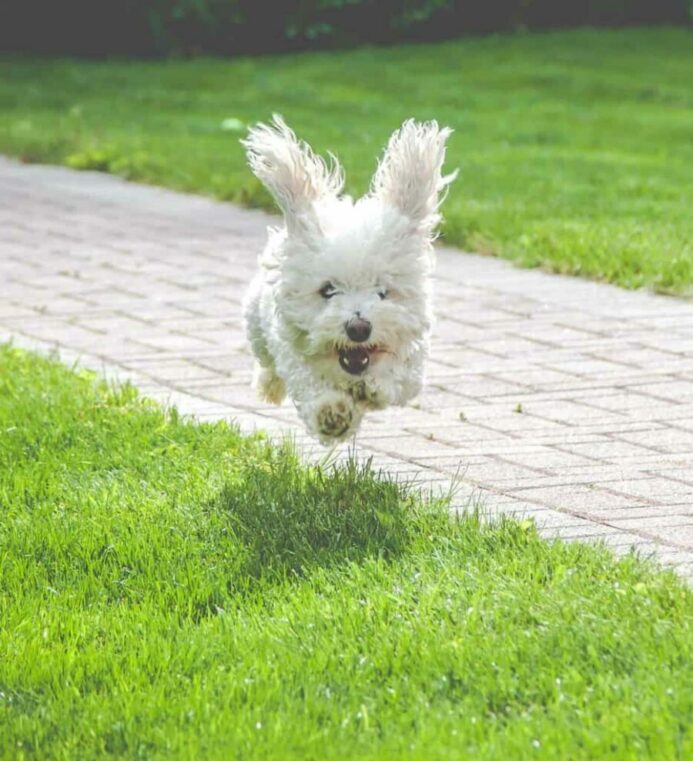
Manage hyper puppy energy with effective tips. Learn about exercise needs, daily routines, and crate training to promote calm behavior.
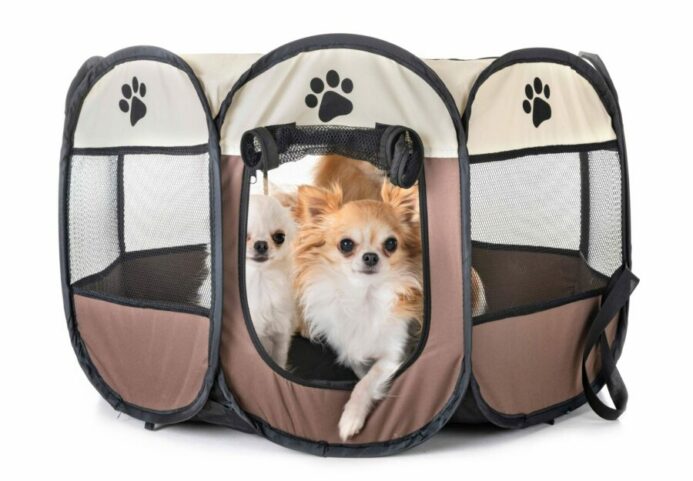
In our comprehensive guide, discover the differences between a puppy playpen and a crate and learn how and when to use each.

For puppy potty training success, set a potty training puppy routine, read your dog’s cues, give him lots of opportunities, and consider crate training.

Step-by-step crate training guide with nighttime schedules, troubleshooting, and science-backed advice to manage whining.

Puppy Training 101, a comprehensive guide for new dog owners, emphasizes bonding, socialization, and understanding your dog’s needs.

Learn why a daily routine for dogs improves behavior and reduces anxiety. Build a healthier schedule for your pup today!

To train a puppy, learn how to master the essentials, including potty training, crate training, and basic commands.
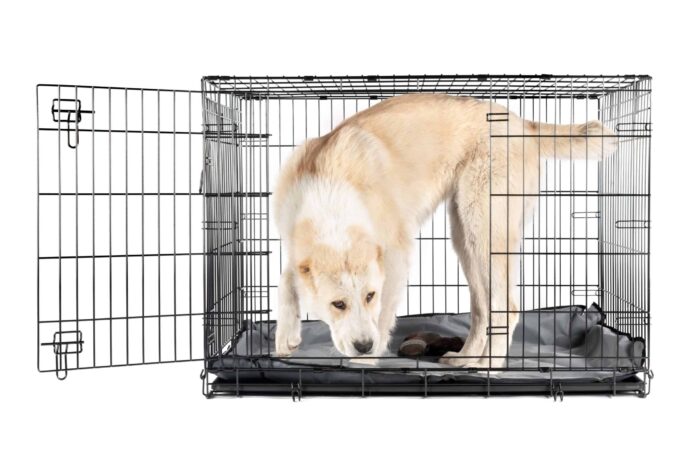
Get essential tips for crate training your dog. Learn how to select the ideal crate size, type, and bedding to ensure your dog feels secure.

Learn about tail biting in dogs, its causes, and symptoms of obsessive-compulsive disorder (OCD). Discover effective training techniques.
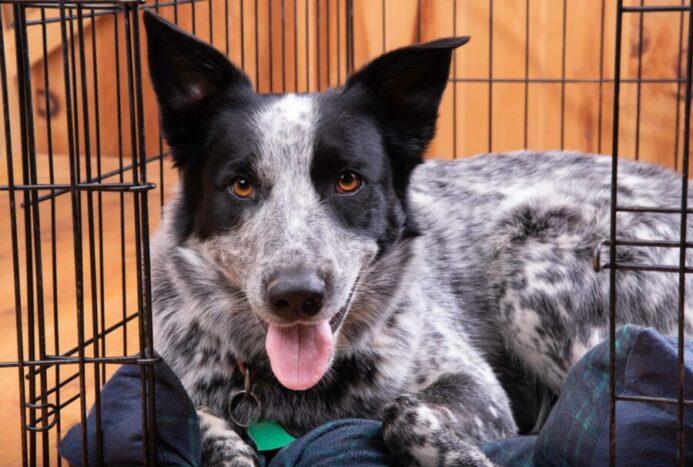
Discover tips to crate train a dog with separation anxiety. Learn to increase crate time, recognize progress signs, and create a safe space.
[mc4wp_form id=”13217″]