
Say goodbye to hyperactivity: 11 strategies to calm your puppy
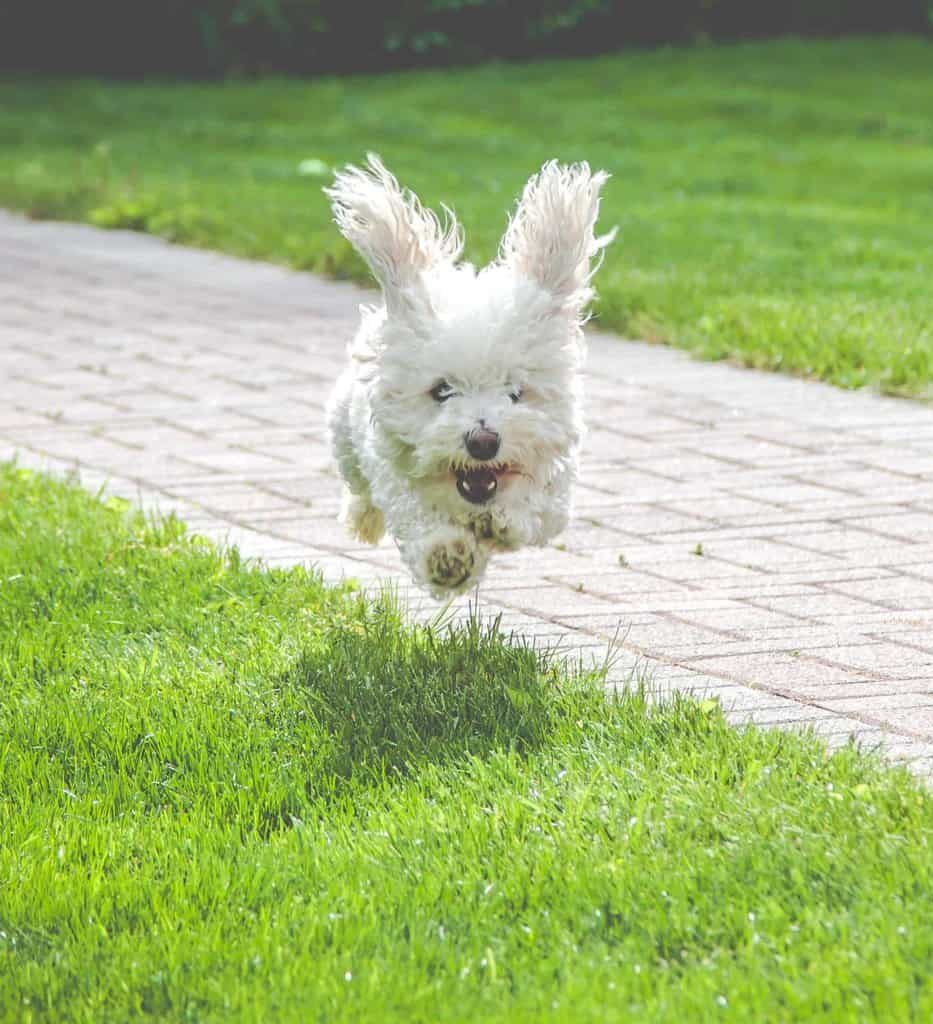
Got a new puppy who acts like they downed three espressos? You’re not alone.
Most puppies go through frantic energy bursts, but here’s the good news: for most pups, those wild spells wind down between six months and one year. Until then, you need a game plan.
Some breeds stay turbo-charged longer than others. High-energy dogs like Border Collies, Australian Shepherds, and Siberian Huskies are wired to go hard.
Low-energy breeds like Basset Hounds and French Bulldogs? Not so much. Knowing your dog’s breed helps you set realistic expectations.
Ever watch your dog suddenly sprint in circles like something’s chasing them? That’s called dog zoomies (or frenetic random activity periods, FRAPs). It’s totally normal, and honestly pretty hilarious to watch.
Here are 11 tips to help you manage your puppy’s energy and get some peace.
Understand your hyper puppy’s energy level
- Understand your hyper puppy's energy level
- Create a daily routine for your puppy
- Use your dog's crate
- Provide exercise for energetic puppies
- Start training excitable puppies early
- Get suitable toys for hyper puppies
- Create activities for energetic puppies
- Use mental enrichment to tire your hyper puppy
- Start socializing a hyper puppy
- Mix up socialization
- Add more mental stimulation games
- Get a healthy puppy check-up
- Be patient and consistent
- Work with your hyper puppy to create a calm, confident dog
Not all puppies are equal. Some need more than an hour of vigorous activity every single day. Others are happy with a short stroll around the block. Understanding what your specific pup needs is step one.
And if you skip the exercise? Your dog will find their own outlet, usually your furniture or your sanity. A tired dog is a good dog.
You might wonder: when do puppies calm down? For most, those chaotic energy bursts fade between six months and one year.
But high-energy breeds may still go full throttle on days when they haven’t stretched their legs enough. Hyperactivity can also be a signal your dog is bored.
Create a daily routine for your puppy
Puppies thrive on predictability. A solid daily routine tells them when to eat, when to play, and when to rest. It also makes bonding a whole lot easier.
Wake up at the same time each day, head outside for a potty break, then serve breakfast. Let your pup burn off energy for a bit, then nap time. After waking, outside again, dinner, more playtime, then crate for the night. Simple, but it works.
Why does your dog get so hyper at night?
Sometimes overtired puppies act exactly like overtired toddlers; they fight sleep by going absolutely feral.
When Nutmeg, my Pembroke Welsh Corgi, started racing around the house before bed, that was her cue for crate time.
Use your dog’s crate
Think crating is cruel? It isn’t.
Crate training gives your puppy a safe den they can call their own. Dogs are den animals by instinct; small, enclosed spaces help them feel calm and secure.
A crate speeds up potty training, curbs separation anxiety, and stops destructive chewing and barking.
It helps your pup build healthy sleep habits. And it keeps them safe when you can’t supervise.
Crates also make travel much easier — whether you’re heading to the vet or on a road trip.
Provide exercise for energetic puppies
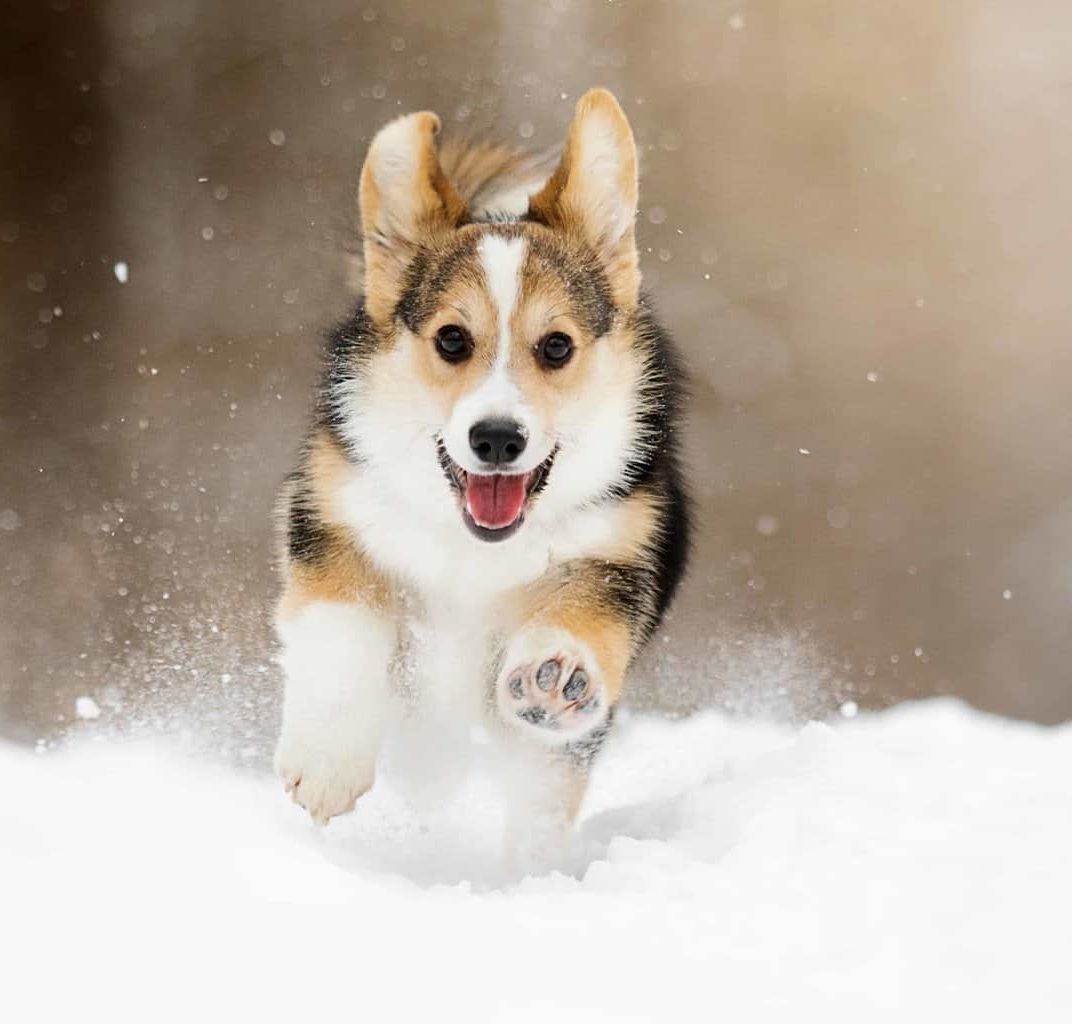
Dogs need exercise just like people do. Start with walks, then gradually increase distance and intensity as your puppy grows.
Want to take it up a notch?
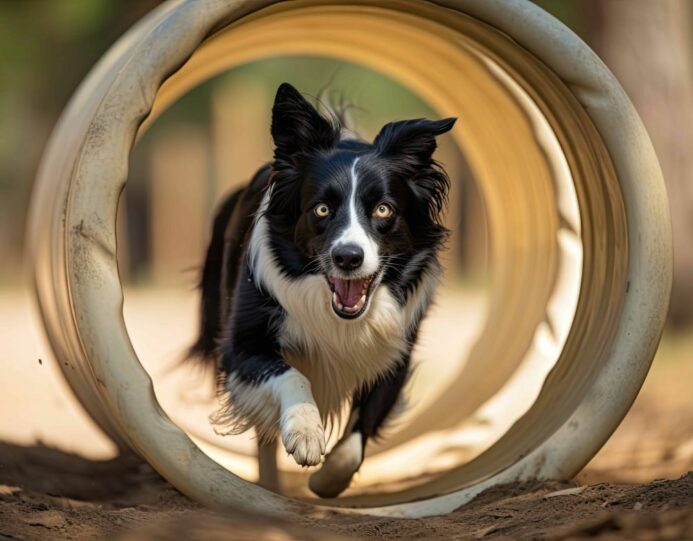
Try dog sports like agility, flyball, or tracking.
These activities burn energy and build focus at the same time. A dog that gets enough physical activity is far easier to live with.
Start training excitable puppies early
Obedience training is essential for every dog, but it’s especially critical for high-energy puppies. Sit, stay, come, down — these basics build focus and burn mental energy.
Keep training sessions short — around five minutes — but do them multiple times throughout the day. Keep it fun. The second your puppy shows frustration, stop.
Once your pup has their initial shots, enroll in puppy classes. You’ll get socialization and skills in one shot.
You can also play impulse control games to teach patience and manners.
Get suitable toys for hyper puppies
The right toys matter. Without good outlets, hyper puppies develop bad habits: excessive barking, chewing, digging, scratching. Sound familiar?
Stock up on chew toys, puzzle toys, and fetch toys.
Chew toys help with teething and keep pups occupied. Puzzle toys challenge their minds. Fetch toys let them run it out.
Create activities for energetic puppies
Set up a backyard obstacle course with cones, boxes, or tunnels.
Play fetch to burn energy while teaching your dog to retrieve. Create a hide-and-seek game with treats placed under or behind objects and let your puppy sniff them out.
Lick mats and Kong toys are great for calming anxious pups. Licking is naturally soothing for dogs.
Just use dog-safe fillings like peanut butter (no xylitol!) or Kong’s own spreadable dog cheese and peanut butter.
Use mental enrichment to tire your hyper puppy
Here’s something behaviorists are now recommending as a top strategy: mental enrichment. Physical exercise alone isn’t always enough.
A tired brain makes for a calmer dog, and sometimes brain games do more work than a run around the block.
What does mental enrichment look like? Think puzzle feeders, sniff work, and problem-solving games. These tap into your puppy’s natural instincts and leave them genuinely satisfied rather than just physically drained.
Puzzle feeders
Ditch the bowl. Serve your puppy’s kibble in a puzzle feeder or slow feeder instead. They have to work for every bite, which engages their brain and slows them down. Start with easy puzzles and increase difficulty as they get better.
Sniff work (nose games)
A dog’s nose is their superpower.
Sniff work, also called scent work or nose work, is one of the most mentally tiring activities you can give a puppy. Hide treats around the house or yard and let your pup sniff them out.
Start easy (treats in plain sight), then increase difficulty. Even 15 minutes of sniff work can leave a puppy ready for a nap.
You can also try a snuffle mat, a fabric-strip mat that hides kibble or treats for your dog to forage for. It’s simple, inexpensive, and puppies go wild for them.
Why it works
Behaviorists point to mental enrichment as a way to address the root cause of hyperactivity: under-stimulation.
A puppy who uses their brain gets fulfilled in a way that running in circles can’t replicate.
Build enrichment into your daily routine alongside physical exercise for the best results.
Start socializing a hyper puppy
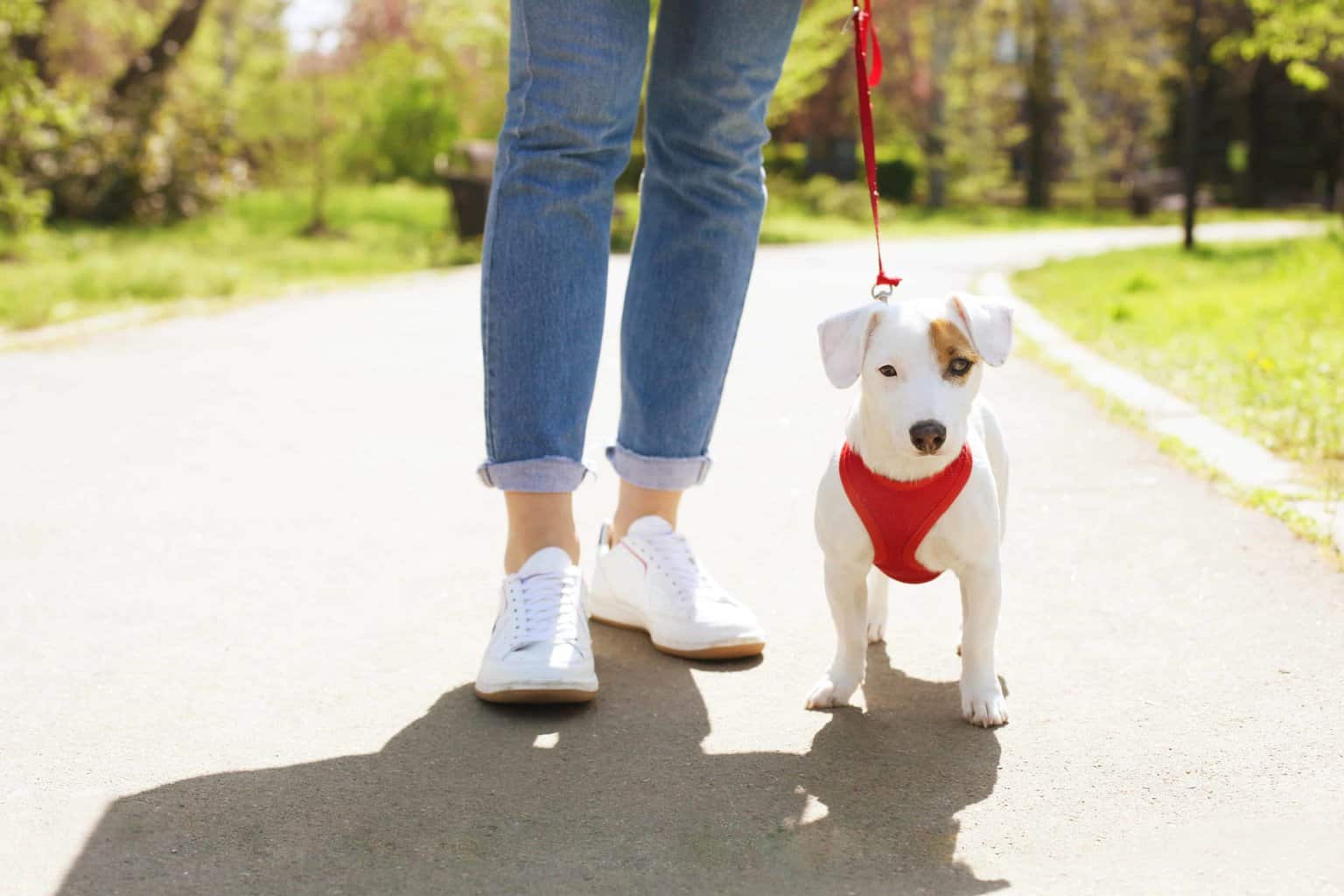
Socialization is one of the most important things you can do for your puppy.
Wait until after their initial vaccines before introducing them to other dogs, and then expose them to as many dogs as possible.
Take them to puppy classes, dog parks, and supervised meetups with friendly, vaccinated dogs.
Expose them to different environments, sounds, and people. Every positive experience builds a more confident adult dog.
Always keep socialization positive. Don’t overwhelm your pup. Introduce new things gradually.
Socialization tips that work
- Let your puppy set the pace. Be patient.
- Start in familiar, low-distraction spots, such as your backyard or a quiet park, before moving to busier places.
- Bring treats everywhere—reward calm behavior in new situations.
- Arrange playdates with calm, well-socialized dogs. Keep them short.
- Take frequent short outings to pet stores, cafés with patios, or busy streets.
- Introduce your puppy to people of all kinds: kids, older folks, people wearing hats or carrying umbrellas.
- Play recordings of everyday sounds (traffic, fireworks) at low volume while your pup plays, gradually increasing volume.
Mix up socialization
Start with familiar places
Begin socializing your puppy in familiar, low-distraction environments, such as your backyard or a quiet park. This helps them feel safe while gradually introducing new stimuli.
Use positive reinforcement
Bring treats and toys to reward your puppy for calm behavior. If they stay calm and engaged, give them praise or a treat. This reinforces positive behavior in new situations.
Gradual exposure
Introduce your puppy to new environments gradually. Start with quieter places and gradually progress to busier areas, such as dog parks or crowded streets, as they become more comfortable.
Controlled meet-and-greets
Organize playdates with calm, well-socialized dogs. Keep the interactions short and monitor body language to ensure both dogs are comfortable.
Take puppy classes
Enroll your puppy in a well-structured puppy socialization class. These classes provide controlled environments for socialization and often include guidance from a professional trainer.
Frequent short outings
Take your puppy on frequent, short outings to different environments – pet stores, cafés with patio seating, or even busy streets. Keep trips short initially to prevent overstimulation.
Exposure to new people
Introduce your puppy to various people, including children, older people, and people wearing hats or carrying bags or umbrellas. Help your puppy learn that not everyone is a threat.
Sound desensitization
Play recordings of everyday noises (traffic, fireworks, crowds) at a low volume while engaging your puppy with toys or treats, gradually increasing the volume as it adjusts.
Use a leash and harness
A well-fitting harness and leash can help you control your puppy in new environments, making them feel secure as they explore.
Be patient and observant
Understand that every puppy is different. Be patient and let your puppy set the pace for socialization. Observe its comfort level and adjust accordingly.
Keep sessions short and fun
Limit the duration of outings to keep your puppy from becoming overwhelmed. End positively, even if it’s just a few minutes of exploration.
Make socialization part of your routine
Establish a routine for socialization. Frequent practice helps reinforce comfort and familiarity with various environments.
Add more mental stimulation games
Beyond enrichment and sniff work, there are plenty of other ways to challenge your puppy’s brain.
Interactive games
Games like tug-of-war, fetch, or ‘find the toy’ provide both mental and physical benefits. Change the rules or introduce new toys regularly to keep things fresh.
Hide and seek
Call your puppy to find you, or hide their favorite toy and let them search for it. It builds their sense of smell and problem-solving skills. Check out more puppy games that work.
Training sessions as enrichment
Teach new tricks during short, frequent sessions. Keep them varied so your pup stays engaged.
Kong stuffing
Fill a Kong with treats, peanut butter, or yogurt and freeze it. Your pup will work to get every last bit out — sometimes for 20+ minutes.
Top dog challenge
Hide a treat under a cup or cloth. Let your puppy figure out how to get to it. It’s a simple puzzle that sharpens problem-solving skills.
Rotate activities so your puppy doesn’t get bored. Watch what they love and do more of it.
Get a healthy puppy check-up
Hyperactivity is rarely medical, but it’s worth asking your vet during those early vaccine appointments.
Take the chance to ask questions about your puppy’s behavior.
Sometimes, it might make sense to medicate your puppy, so ask your vet about using Trazodone or adding CBD chews or CBD oil to its diet.
Be patient and consistent
Hyper puppies are a lot of fun and a lot of work.
They learn best through repetition, so use the same commands every time.
Stay calm. Never yell. Your puppy is doing their best, and so are you.
Work with your hyper puppy to create a calm, confident dog
Every puppy is different. What works for one might not work for another.
Try a mix of these strategies and see what clicks for your pup.
With patience, consistency, and the right outlets, you’ll have a happy, well-mannered dog before you know it.

Sara B. Hansen has spent 20-plus years as a professional editor and writer. She’s also the author of The Complete Guide to Cocker Spaniels. She decided to create her dream job by launching DogsBestLife.com in 2011. Sara grew up with family dogs, and since she bought her first house, she’s had a furry companion or two to help make it a home. She shares her heart and home with Nutmeg, a Pembroke Welsh Corgi. Her previous dogs: Sydney (September 2008-April 2020), Finley (November 1993-January 2008), and Browning (May 1993-November 2007). You can reach Sara @ editor@dogsbestlife.com.