Returning to work? Help your dog adjust with 7 simple steps
As more people return to the office, pet parents can use these expert tips to help their dogs adjust to being home alone.

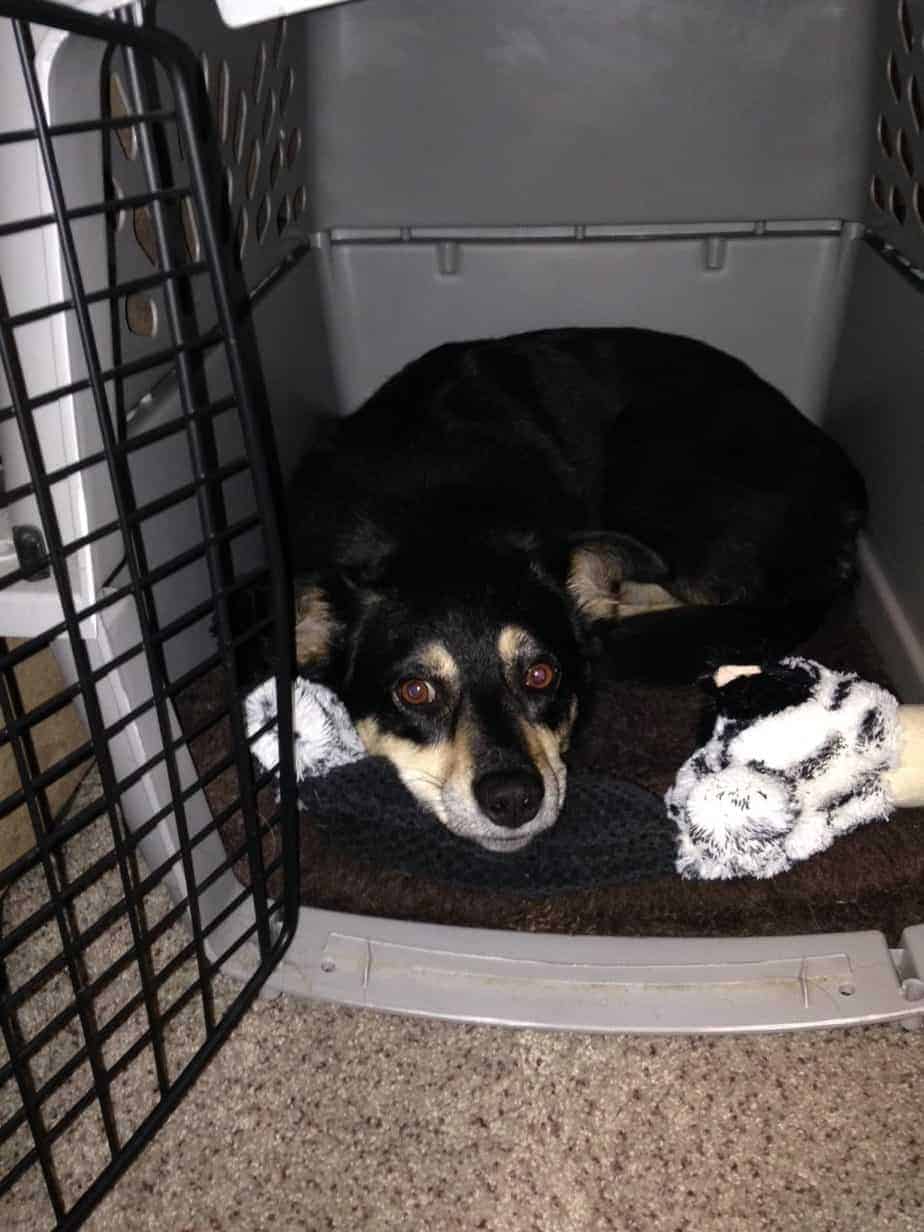
Puppy crate training works by establishing a training routine that helps avoid accidents. Make the crate your dog’s safe space.
Crate training tips: Never use the crate for punishment or isolation. If your puppy begins to associate the den with being ignored or punished, then they will quickly stop wanting to use it.
Soft dog crates create cozy dens: Soft containers create a comfortable, safe space for your puppy. That makes it easier to house-train your dog and help overcome separation anxiety.
Follow simple rules: Crating a puppy is an excellent way to housebreak him. After a certain age, most puppies will not poop where they sleep or eat.
3 tips for first-time puppy owners: Using a crate provides your puppy with a safe, calm place to rest.
7 tips to get your puppy started right: Set boundaries. Using a container helps keep your puppy safe and out of trouble when you’re not home.
New potty training techniques: Create a routine.
Old thinking: Get your dog outside several times a day and confine the dog when left home alone.
New thinking: Get your dog outside every two to three hours and especially within 30-40 minutes of eating or drinking. Dogs who have to be left alone for extended periods may need indoor potty options.
Help your adopted dog adapt and thrive: Start by creating a dog-friendly area for your pup. Remove rugs and carpets in the beginning. Put the crate, bed, and toys in another part of your home. Make your puppy feel welcome so he will embrace this nook as his own.
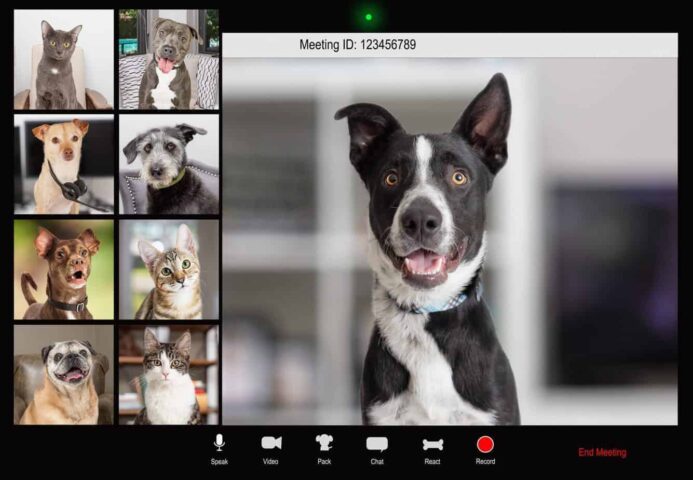
As more people return to the office, pet parents can use these expert tips to help their dogs adjust to being home alone.

Discover the essential benefits of using a pet carrier when traveling. Ensure safety, comfort, and convenience for your dog.
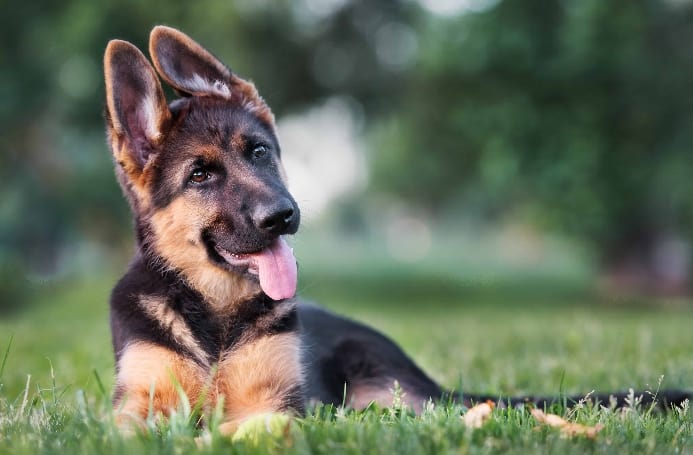
Dog potty training can seem daunting, but with the right plan and patience, you can master the basics in three days.
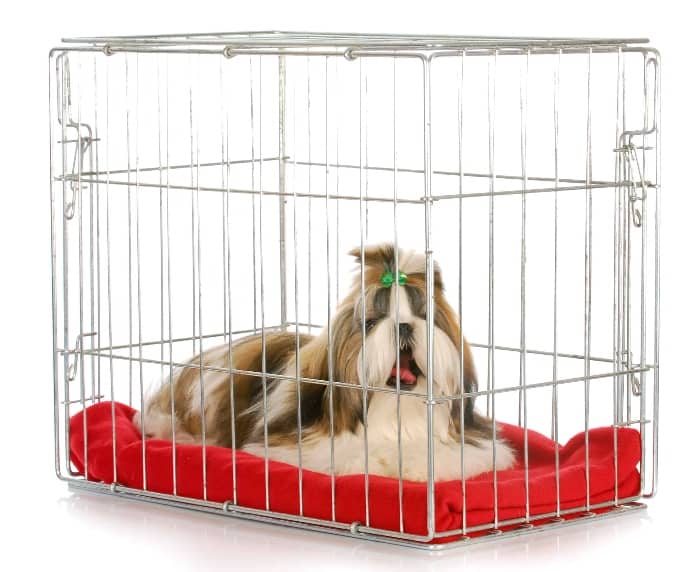
Crate training benefits go beyond keeping dogs contained. Crates provide a safe space when dogs feel overwhelmed and help with potty training.

When buying a dog crate, get one that will be comfortable for your dog. Get the right size, one that’s lightweight and easy to transport.
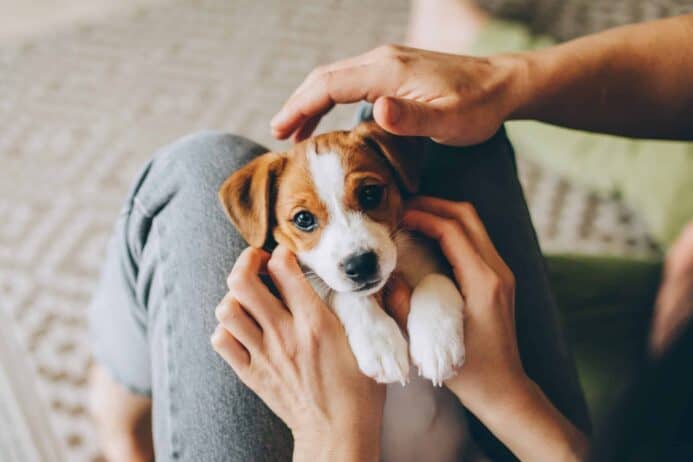
Teach your puppy: Start with his name, socialization, potty training, basic commands, and his safe spaces.
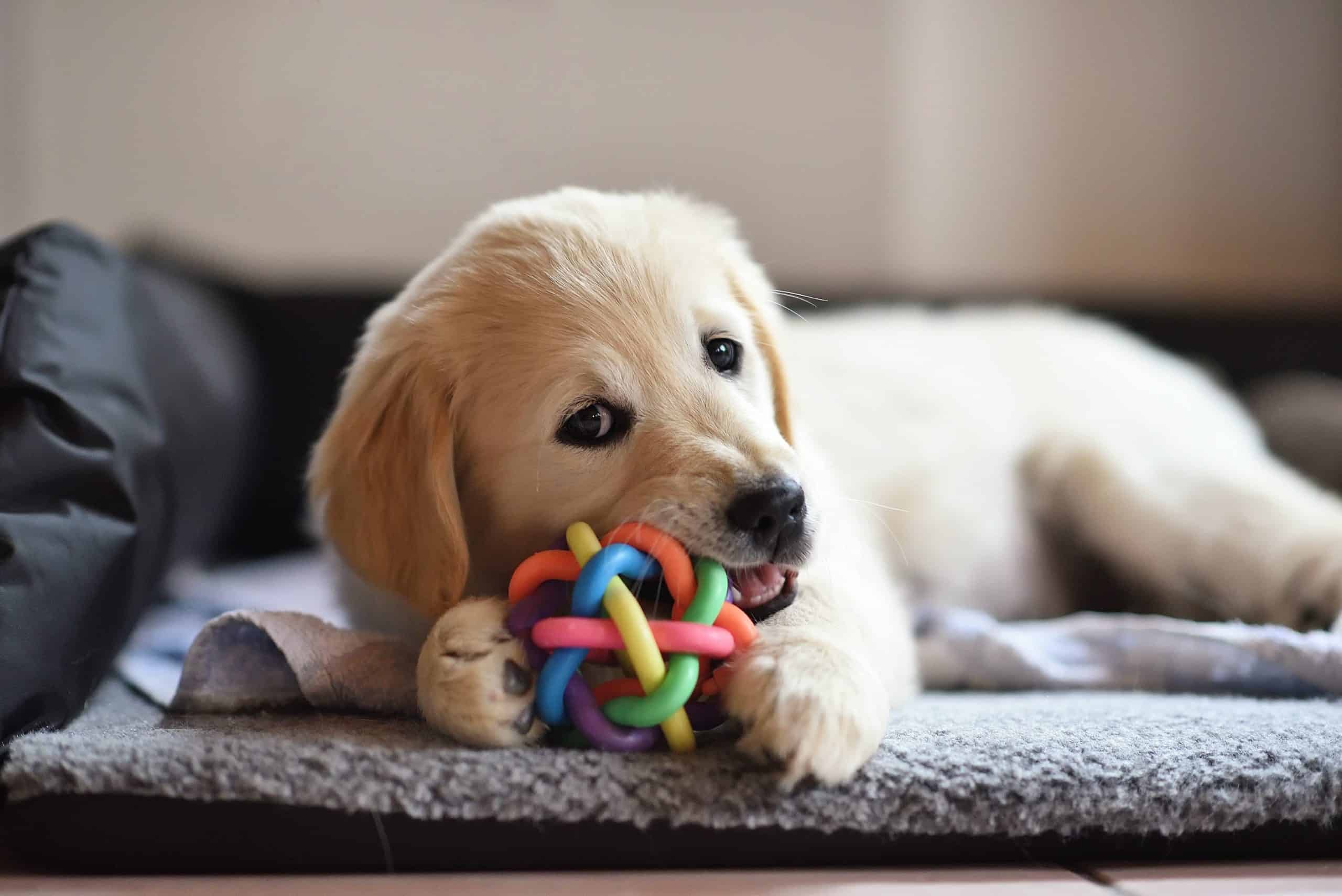
Follow these training tips to help your puppy establish good behavior traits. Set a schedule and stick to it. Focus on house training.
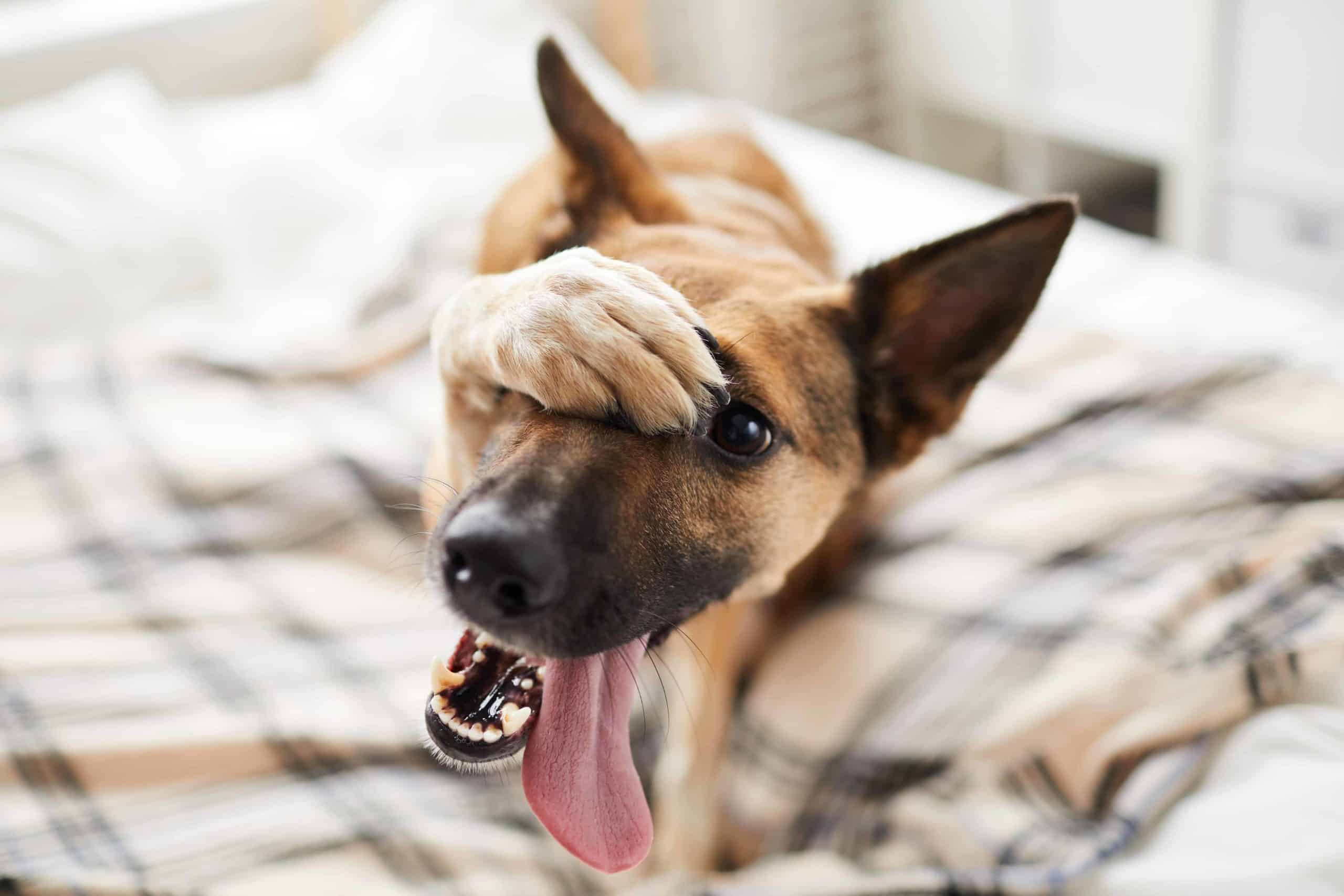
Stop dog peeing on the bed by understanding dog behavior. Start dog potty training at an early age and use tools like a dog potty box.

French bulldog with crate. Take advantage of your older dog’s calm demeanor to crate train an older dog. He now trusts you, so it should be easier for you to introduce a new routine.
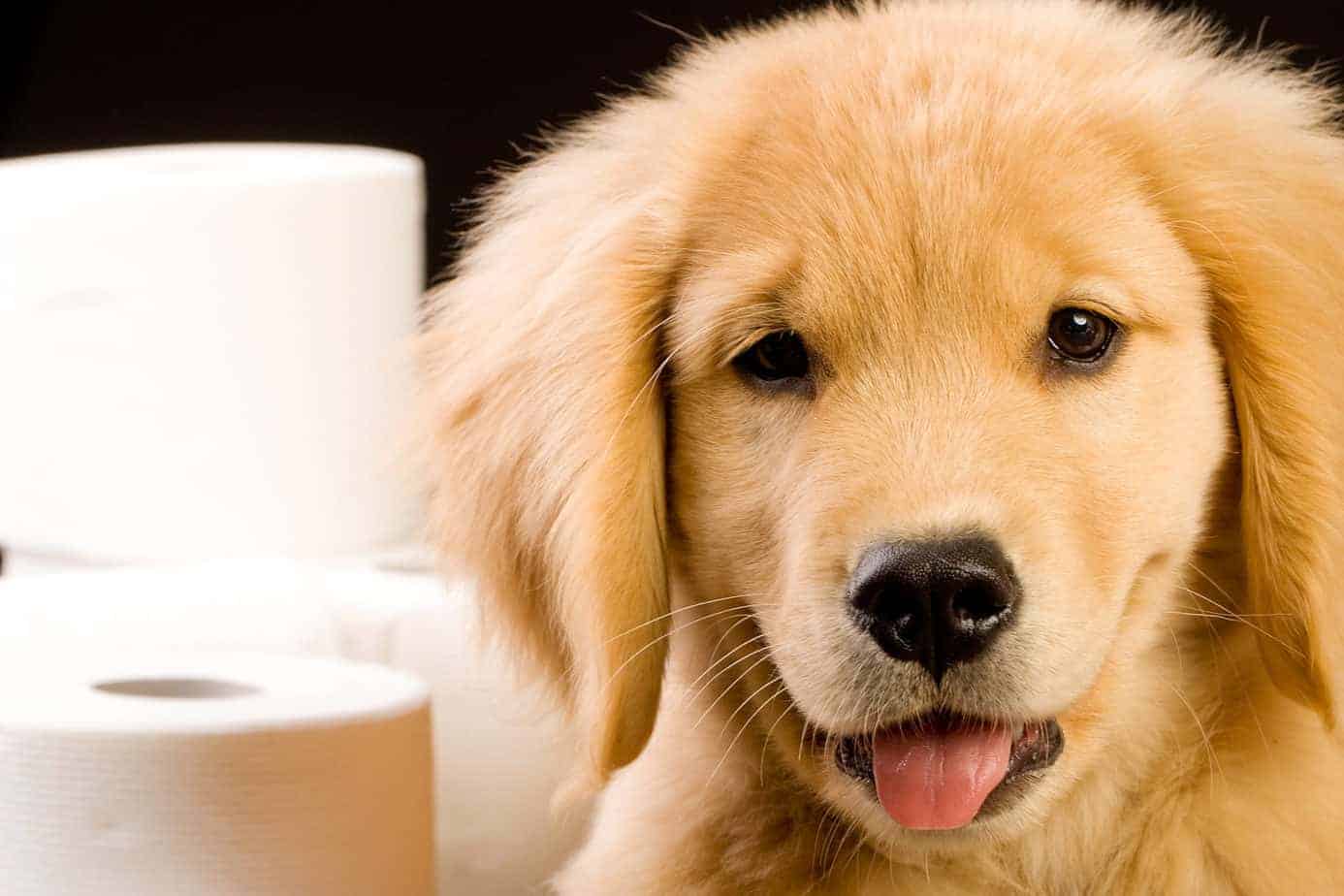
Start puppy potty training techniques early. Old thinking suggested owners wait until the dog was 12 weeks old. New thinking recommends starting sooner.
[mc4wp_form id=”13217″]