Bed basics: 4 ways to keep your dog safe at night
If you sleep with your pup, practice dog sleep safety. Make sure your dog’s paws are clean, watch for fleas and ticks and give your dog enough space.

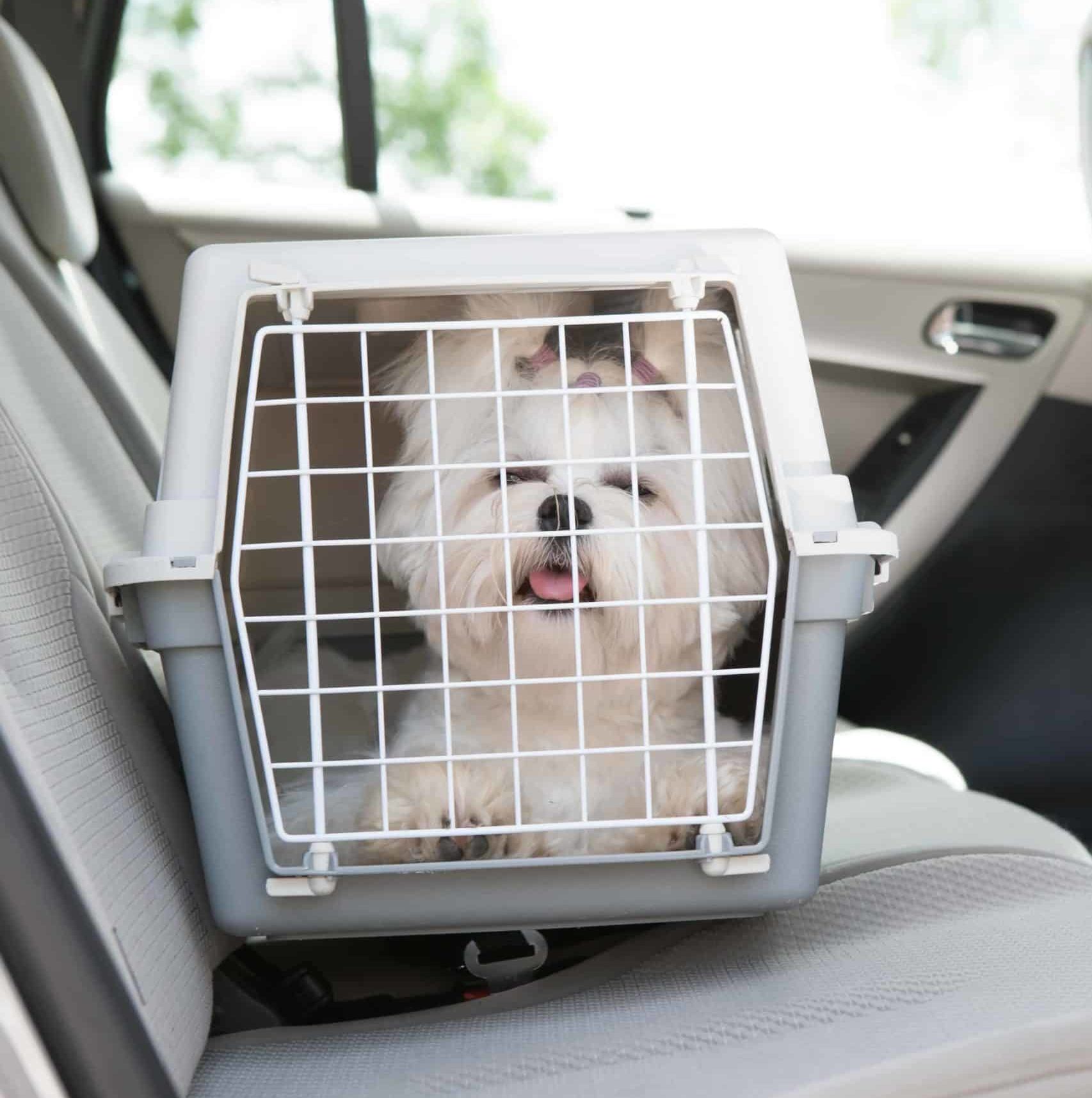
Dog safety information on DogsBestLife.com includes tips on a variety of topics from cold or hot weather dangers, wild animal dangers, thunderstorms and more.
We also provide suggestions for creating an emergency plan and information about whether puppy kisses are dangerous.
Winter: Prevent dog cold weather dangers by limiting time outside, protecting your pup’s paws and putting your dog in a coat or sweater if necessary.
Holiday: Common holiday dangers include food, parties, decorations, and travel.
Spring: Protect your dog from thunderstorms, wild animals, pests and both landscaping and household toxins.
Thunderstorms: Dogs can perceive subtle changes as the barometric pressure drops before we do and are alerted to approaching storms.
Wild animals: Outdoor dangers for dogs include wild animals that can spread diseases like rabies and leptospirosis, fertilizers, pesticides and poisons meant for rodents.
Summer: Provide your pup with lots of shade and lots of water. Avoid vigorous exercise during the hottest times of the day and protect your pup’s paws from hot cement.
Pet emergency plan: Before disaster strikes, be sure to include your dog in your emergency evacuation plans.
Puppy kisses: Puppy kisses are full of affection, loyalty and about 700 kinds of bacteria. To be safe, limit puppy kisses to your hands or cheek.
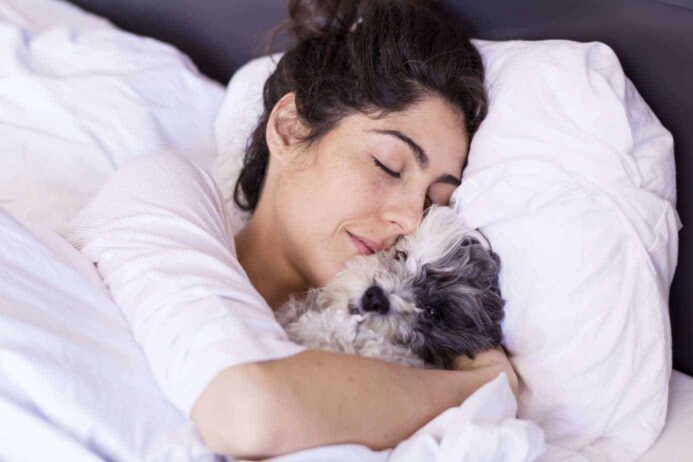
If you sleep with your pup, practice dog sleep safety. Make sure your dog’s paws are clean, watch for fleas and ticks and give your dog enough space.
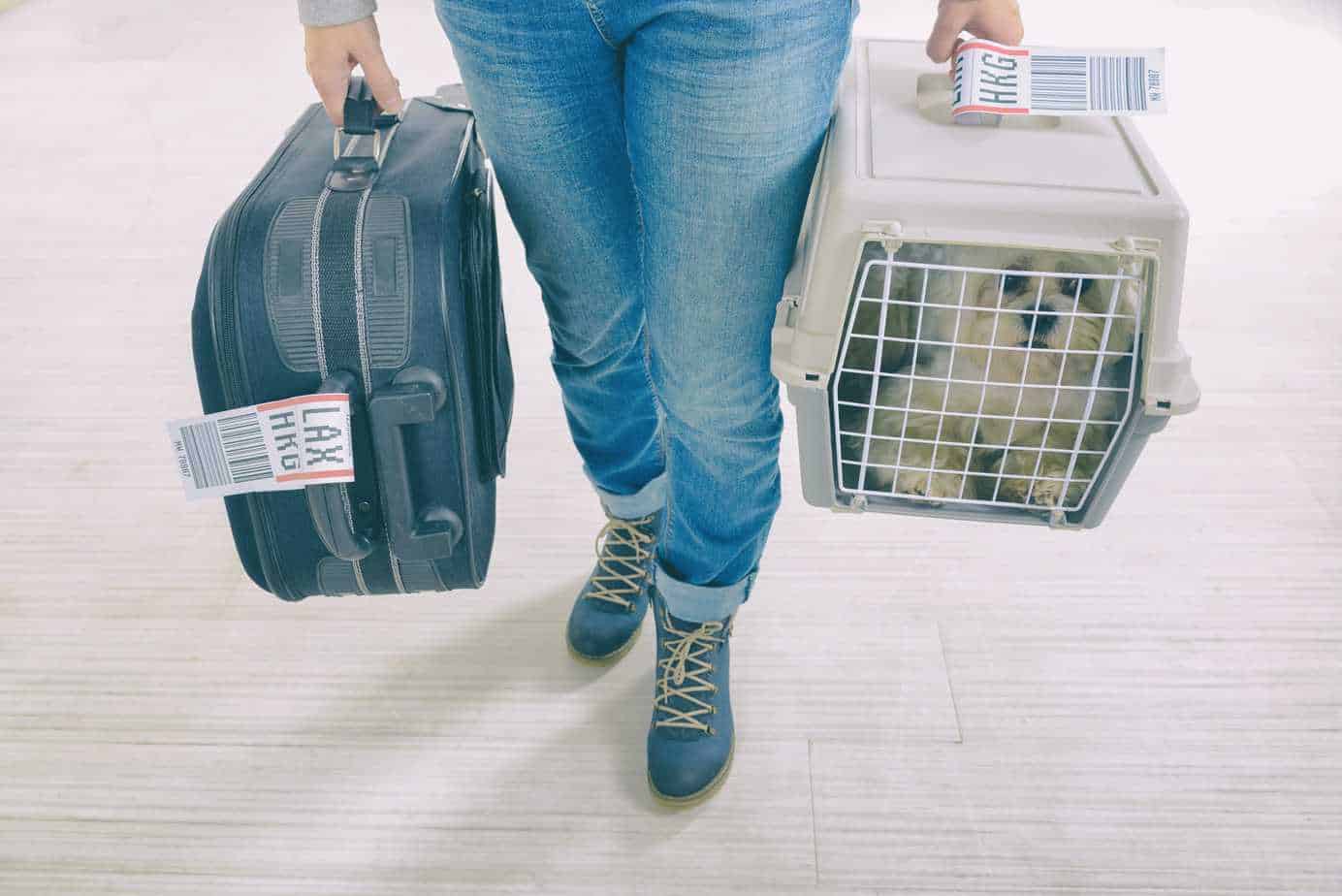
Dog plane safety tips include taking a direct flight, making sure your dog has fresh water and using an approved crate that allows good air circulation.
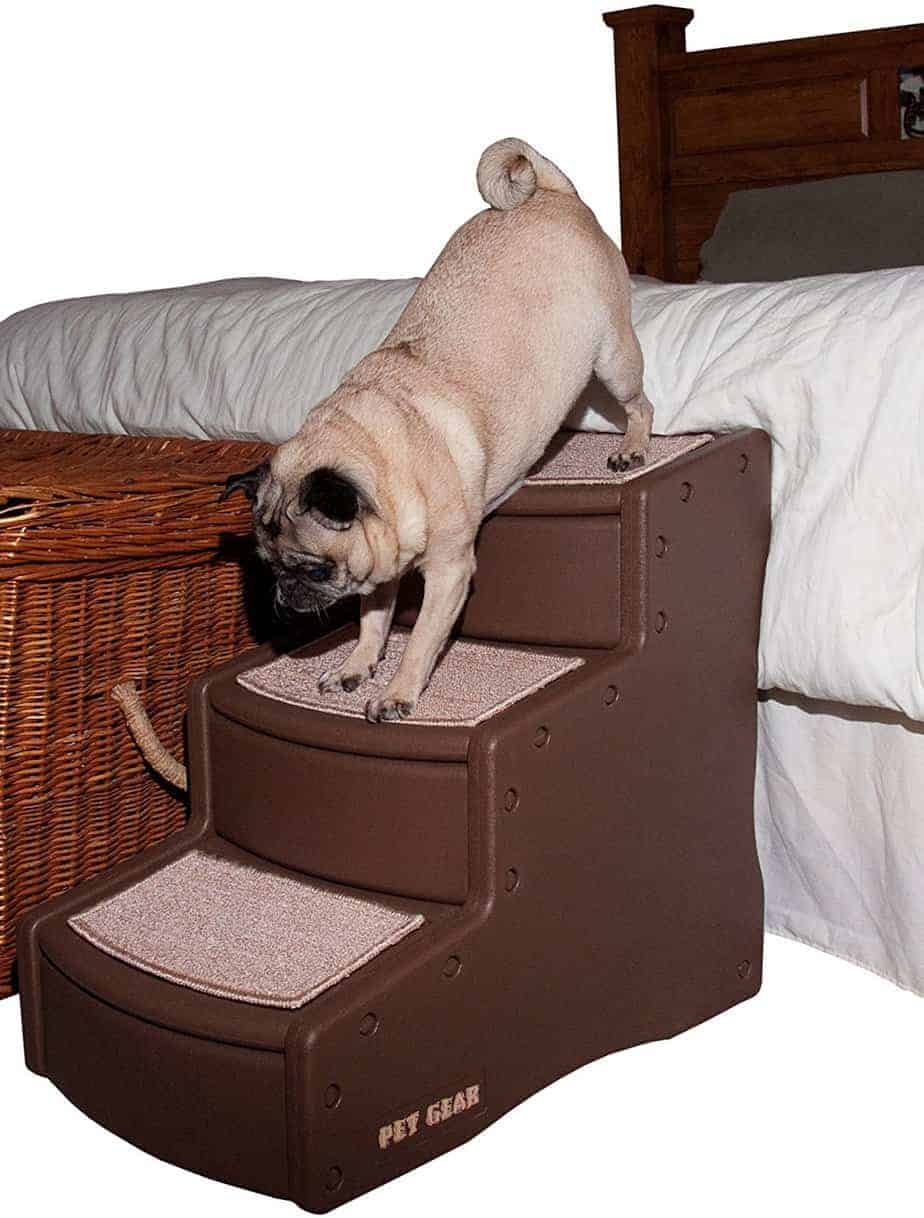
Pet stairs help dogs who are recovering from injury, suffer from hip dysplasia or arthritis or tiny dogs who just don’t have the size or oomph to jump on furniture.
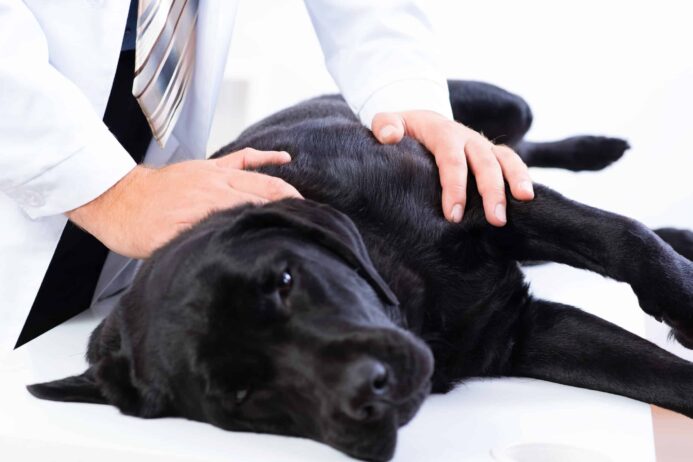
The best cure is prevent canine cancer from forming. Provide your dog with good basic health care and limit exposure to known cancer-causing products.
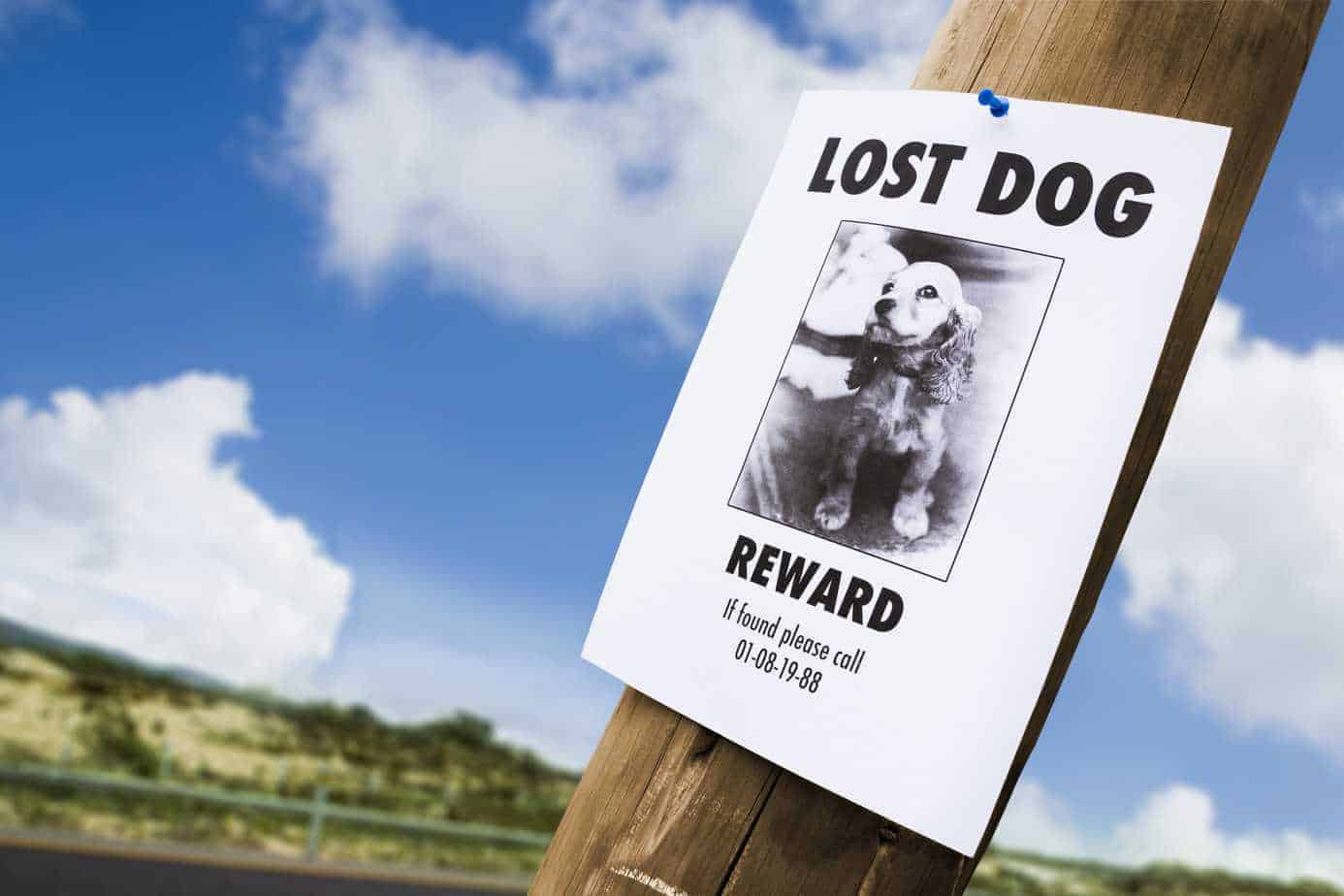
The best way to help your lost dog find his way home is to make sure he has an microchip. A lost dog with a microchip is 2.5 times more likely to return home safely.

Keep dangerous decor out of reach for dogs, cats and little ones. If possible, avoid using any harmful plants and instead decorate with dog-friendly plants.
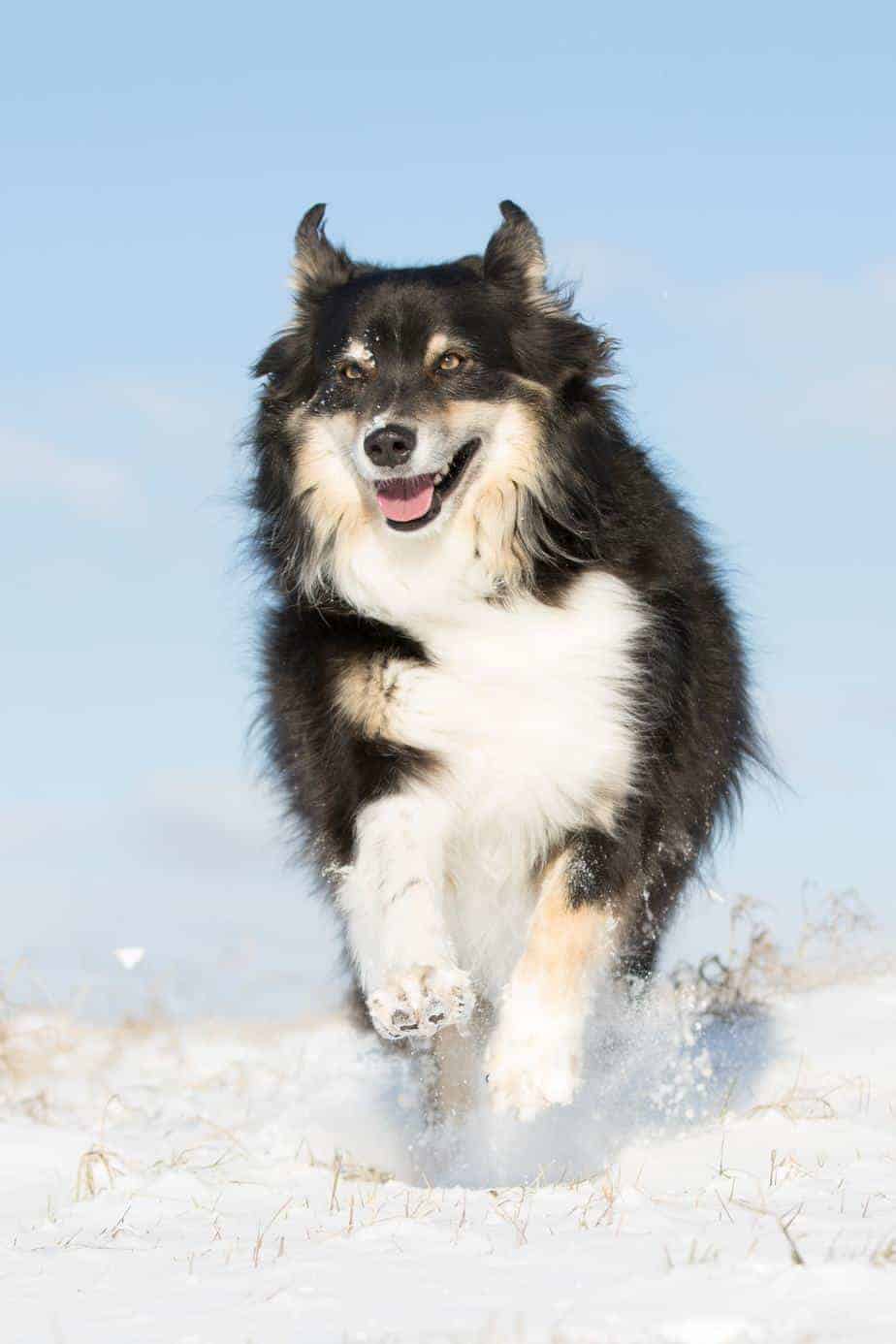
When the temperature drops it’s not enough to just prepare our homes and cars, we also need to get our dogs winter ready.

Puppy proof your home and yard — pay special attention to things your dog can put in his mouth — to keep your dog safe when you’re away.

Include your dog in your disaster plan so you’re prepared for any emergency from earthquakes to tornadoes to wildfires, floods and more.

Using video surveillance provides a smart, comprehensive and reliable way for you to monitor your dog when you’re not home.
[mc4wp_form id=”13217″]