Train your dog using operant conditioning
Operant Conditioning, which focuses on the relationship between behavior and consequences, can be a valuable dog training tool.

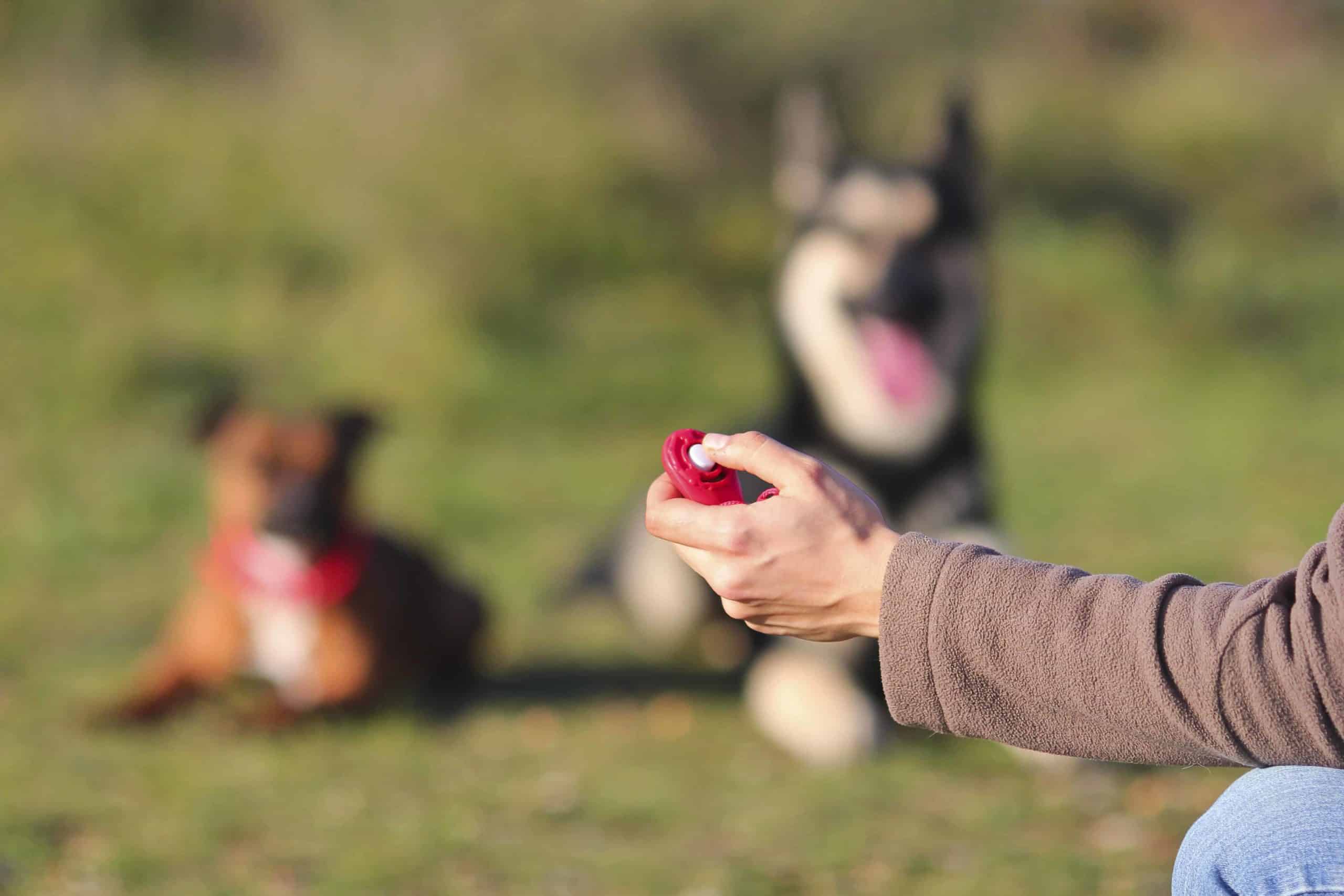
Dog training takes time and effort. To be successful, use these dog training tips: Be a leader, be firm, be humane and give praise.
Dogs are social, pack-oriented animals who respond best to a leader figure whether dog or human. The best pack leaders are the ones who are the most consistent. Dogs react to consistency because they know they can trust the consistent leader. Consistent leaders don’t invite the dog onto the couch one day and punish him the next when he jumps on the couch without permission.
Good leaders are firm without being harsh. A good leader tells the dog to do something. He or she doesn’t shout at the dog, plead with the dog or scream at the dog to obey. The punctuation at the end of a good leader’s command is merely a period.
Third, a good leader is compassionate. He or she doesn’t punish the dog for mistakes that were made by the leader.
When the dog does something praiseworthy, deliver approval immediately. The good leader does not praise behaviors that are unwanted, no matter how unintentional the recognition may be.
If the dog is showing fear, aggressiveness, or timidity, the good leader either ignores the behavior or tells the dog to knock it off. The good leader doesn’t praise, and, therefore, encourage the response, by stroking the dog, telling him it’s OK, you’re a good boy, etc., while the dog is acting out.
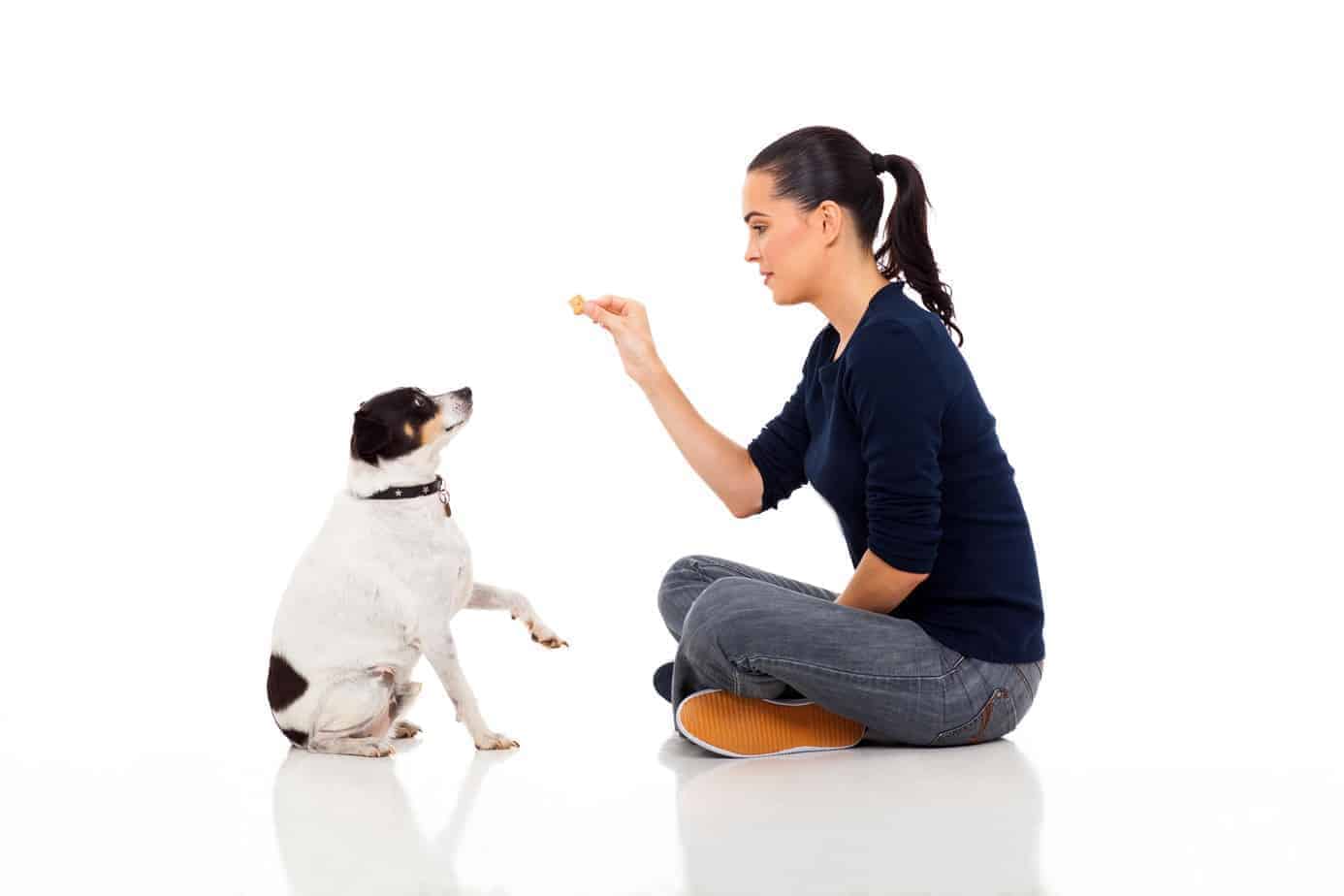
Operant Conditioning, which focuses on the relationship between behavior and consequences, can be a valuable dog training tool.

We love our dogs so much that they become our four-legged furry family. And like any family, troublesome behavior can arise with our babies. Disruptive and destructive behaviors are signs of separation anxiety, which is emotional distress your pup experiences when you are gone because your dog has formed a strong attachment to you, says…

Prevent dog bites by teaching children simple rules such as don’t take away food or toys and never disturb a dog who is eating or sleeping.
By Kelly Marshall Combining playtime with your kids and dog obedience training for your dog requires constant supervision and a lot of patience. Puppies are just like kids in a variety of ways. They need continuous care, supervision, and a lot of love. Just as you have to teach your kid how to play with…

Dog digging is hardwired into the DNA of many breeds. To break a dog digging habit, supervise your dog and make sure he gets plenty of exercise.

Successful dog training stages: Association, Consistency, Repetition, Reinforcement, and Maintenance.
The ABC rule makes training easier for you and your pet. Be fair, firm and consistent to help your dog learn appropriate behavior.

Dog and baby: Help your dog get ready for baby’s arrival with training, time with babies and children, and by preparing a separate space for your dog.
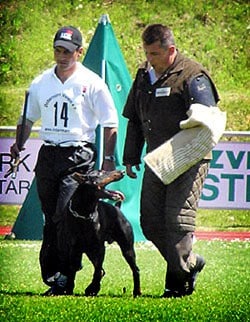
Dog training tips from the CIA: Start with a dog that wants to learn, keep training fun, give dog appropriate rewards, add challenges and be consistent.
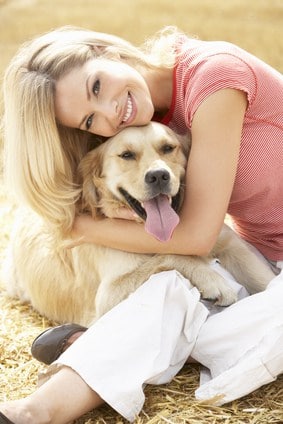
Teach your dog to behave: Use treats for rewards, camera to monitor, a sturdy collar and a clicker.
[mc4wp_form id=”13217″]