Take time to socialize, train your pit bull puppy
Train your pit bull puppy. The breed has gotten a bad reputation for aggression, that’s why you need to train and socialize them.

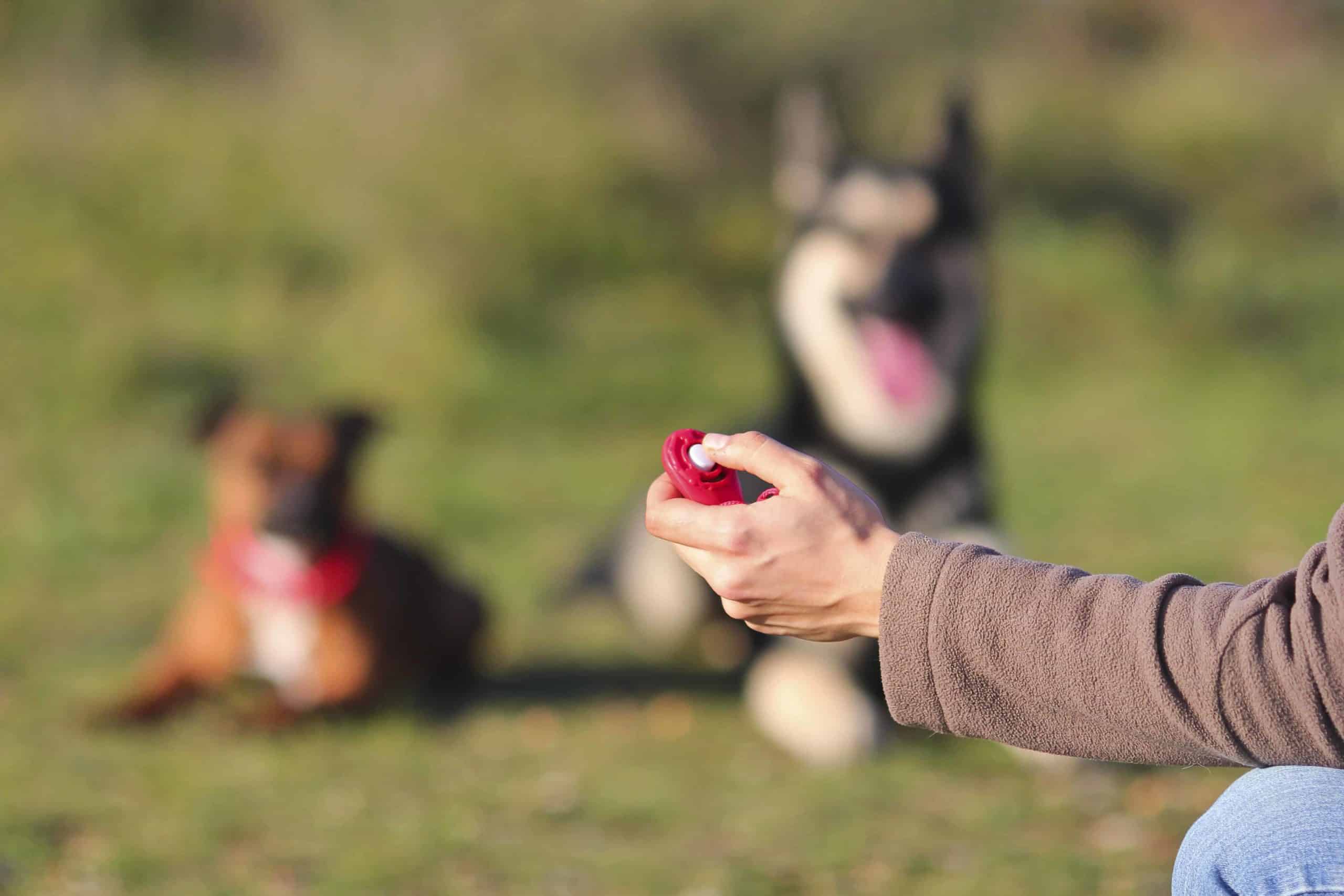
Dog training takes time and effort. To be successful, use these dog training tips: Be a leader, be firm, be humane and give praise.
Dogs are social, pack-oriented animals who respond best to a leader figure whether dog or human. The best pack leaders are the ones who are the most consistent. Dogs react to consistency because they know they can trust the consistent leader. Consistent leaders don’t invite the dog onto the couch one day and punish him the next when he jumps on the couch without permission.
Good leaders are firm without being harsh. A good leader tells the dog to do something. He or she doesn’t shout at the dog, plead with the dog or scream at the dog to obey. The punctuation at the end of a good leader’s command is merely a period.
Third, a good leader is compassionate. He or she doesn’t punish the dog for mistakes that were made by the leader.
When the dog does something praiseworthy, deliver approval immediately. The good leader does not praise behaviors that are unwanted, no matter how unintentional the recognition may be.
If the dog is showing fear, aggressiveness, or timidity, the good leader either ignores the behavior or tells the dog to knock it off. The good leader doesn’t praise, and, therefore, encourage the response, by stroking the dog, telling him it’s OK, you’re a good boy, etc., while the dog is acting out.

Train your pit bull puppy. The breed has gotten a bad reputation for aggression, that’s why you need to train and socialize them.

Bored dogs can do bad things. Keep your dog busy to prevent naughty behavior.

Use the word no to mean stop. It doesn’t mean he’s in trouble, only that you want him to stop doing what he is currently doing.
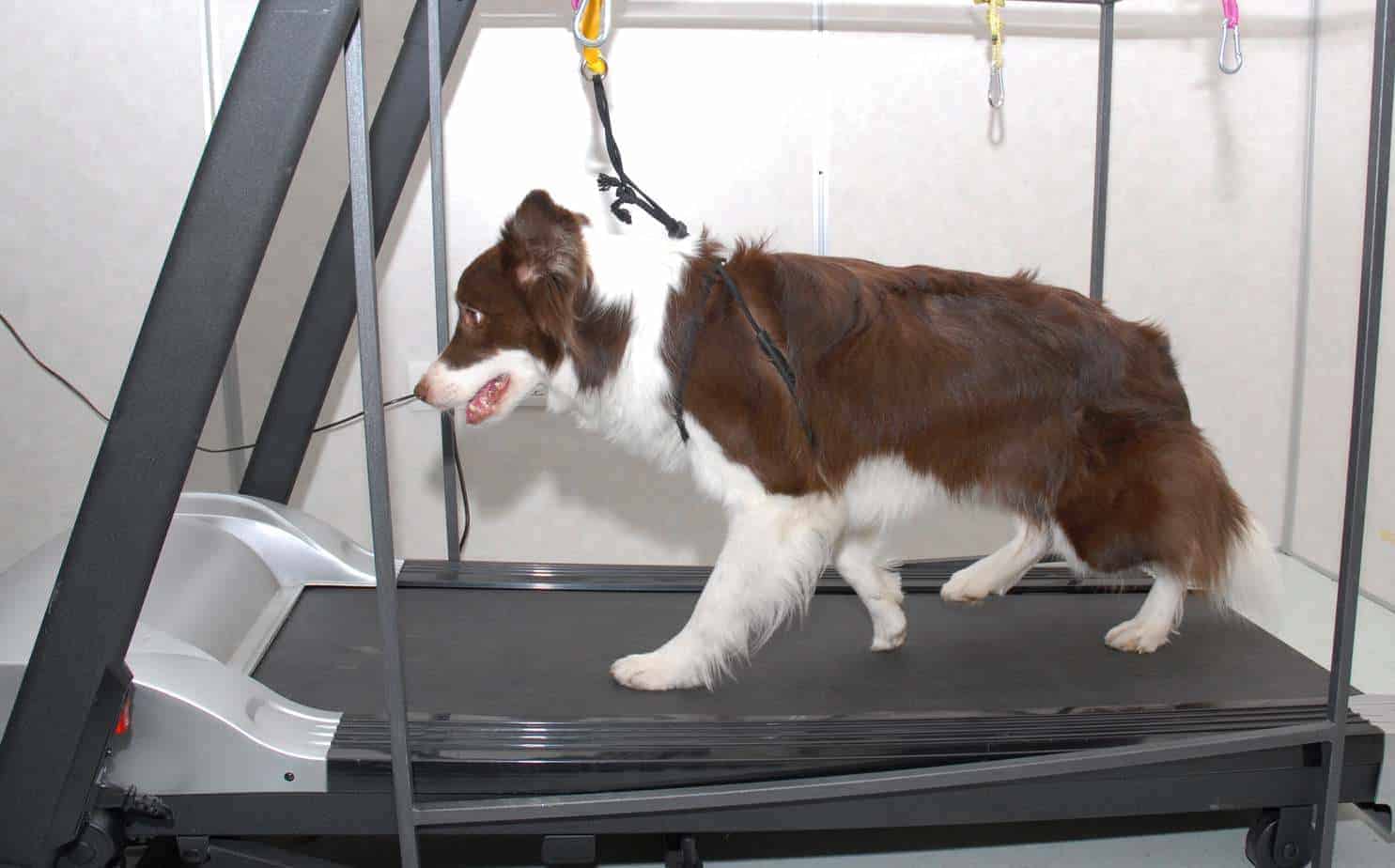
Tired dogs behave: Use exercise to burn off excess energy and reduce anxiety. Regular walks, other activities can help your dog stay healthy.
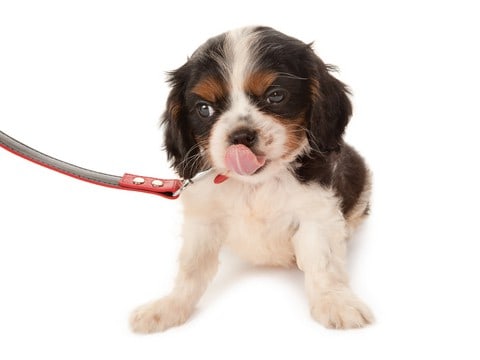
Retractable leashes encourage your dog to pull rather than walk at your side. Your dog quickly learns that you let out more line when he pulls.
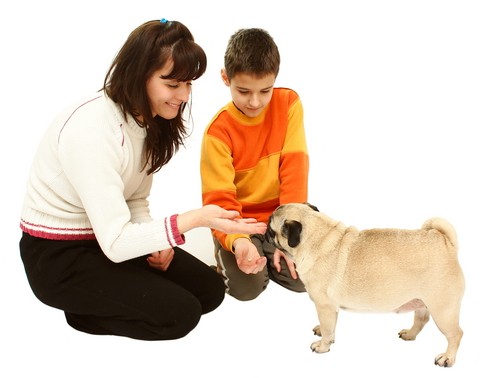
Kids and dogs: Set rules for both dog and child. Always supervise to ensure safe interactions and prevent either the dog or child from getting hurt.
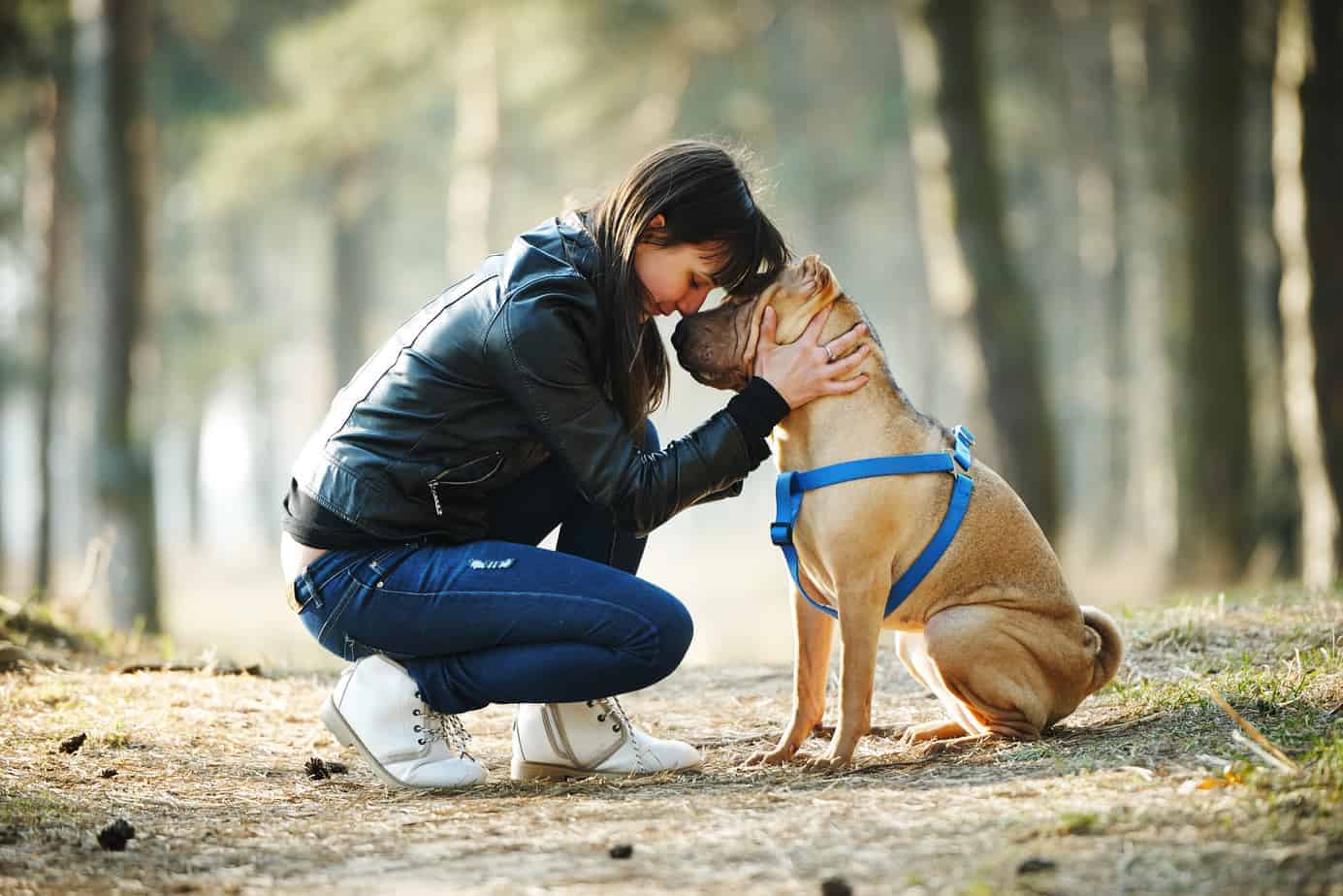
Lifelong bond: Use daily walks to build a lifelong bond with your dog. It’s a mutual give and take of time, energy and emotion.

Dog owners benefit from training: Even experienced owners need help. Newbies need a place to start. Do-it-yourselfers need to correct mistakes.
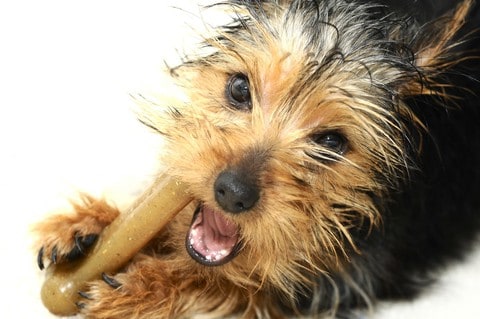
Rehabilitate your anxious chewer with exercise, toys, treats, training. If your dog is eight months old and still chewing, it’s not teething.
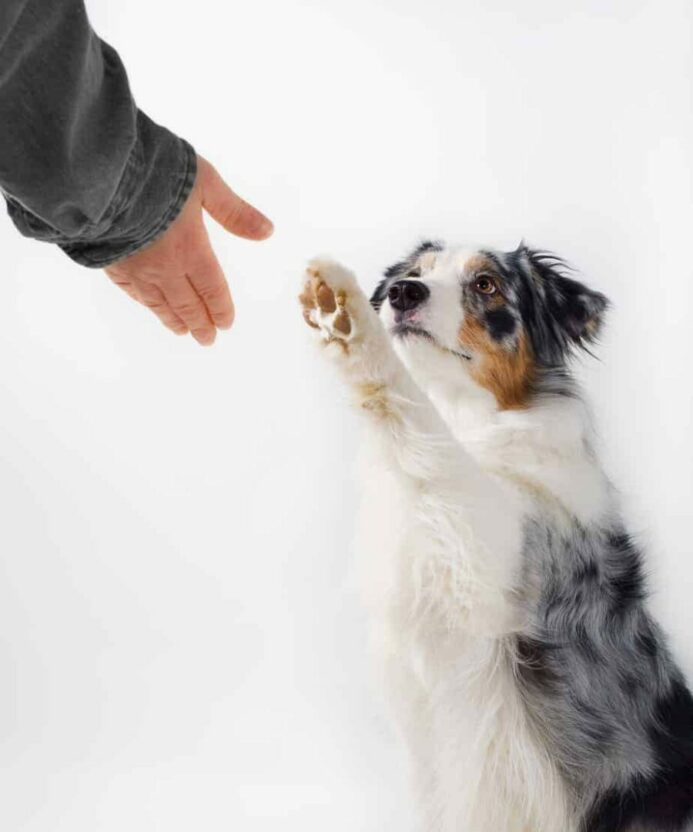
Prevent inappropriate canine behavior with training, rewards. Be sure to spend quality time with your dog and set clear expectations.
[mc4wp_form id=”13217″]