How to socialize an adult dog: It’s not too late (even for rescue dogs)
Socializing adult dogs (even rescues) is possible at any age. Learn proven techniques to help your dog feel safer, calmer, and more confident.

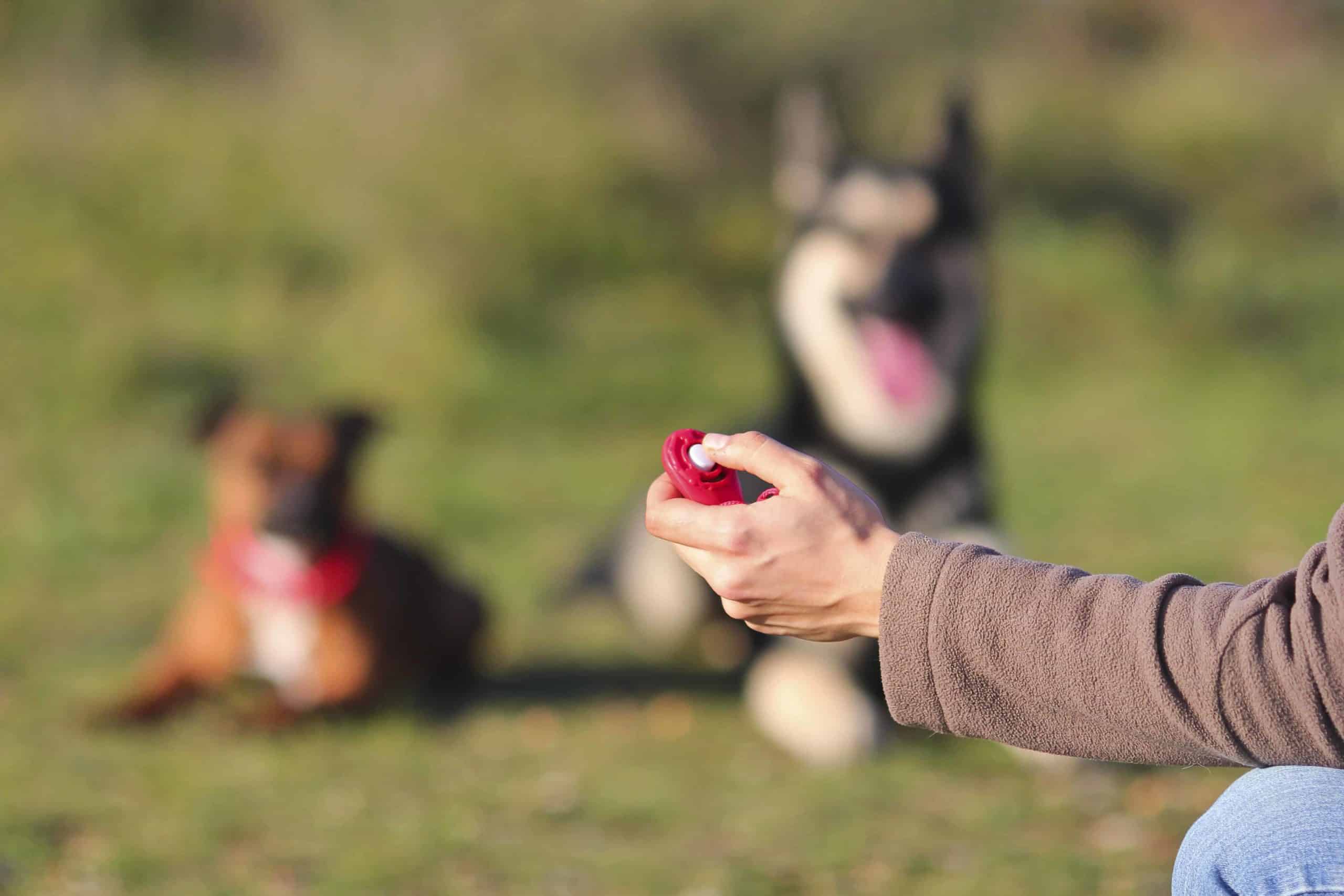
Dog training takes time and effort. To be successful, use these dog training tips: Be a leader, be firm, be humane and give praise.
Dogs are social, pack-oriented animals who respond best to a leader figure whether dog or human. The best pack leaders are the ones who are the most consistent. Dogs react to consistency because they know they can trust the consistent leader. Consistent leaders don’t invite the dog onto the couch one day and punish him the next when he jumps on the couch without permission.
Good leaders are firm without being harsh. A good leader tells the dog to do something. He or she doesn’t shout at the dog, plead with the dog or scream at the dog to obey. The punctuation at the end of a good leader’s command is merely a period.
Third, a good leader is compassionate. He or she doesn’t punish the dog for mistakes that were made by the leader.
When the dog does something praiseworthy, deliver approval immediately. The good leader does not praise behaviors that are unwanted, no matter how unintentional the recognition may be.
If the dog is showing fear, aggressiveness, or timidity, the good leader either ignores the behavior or tells the dog to knock it off. The good leader doesn’t praise, and, therefore, encourage the response, by stroking the dog, telling him it’s OK, you’re a good boy, etc., while the dog is acting out.

Socializing adult dogs (even rescues) is possible at any age. Learn proven techniques to help your dog feel safer, calmer, and more confident.

Learn proven, positive training techniques to reduce excessive barking — from identifying triggers to building lasting calm.

Learn to read dog body language stress signs. Discover how health issues trigger reactivity, and get proven training strategies.

Reactive dogs aren’t bad dogs — they’re overwhelmed ones. Dr. Pepe Hernandez breaks down why it happens and what actually helps.
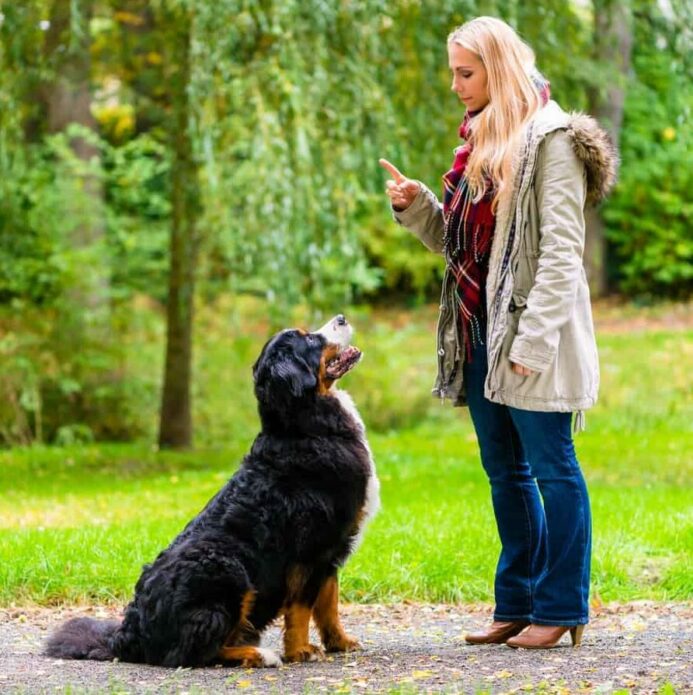
Use your dog training voice—learn how tone and volume improve communication and obedience for a happier, more responsive pet.

Dog training 101: Use expert tips covering basic commands, potty training, leash walking, and problem behaviors.

Recognize dog anxiety symptoms, such as pacing, panting, and destructive behavior. Get advice on separation anxiety and natural remedies.

Learn the signs your dog is overstimulated, from subtle early warnings like yawning and lip licking to severe behaviors.

Discover dog enrichment activities for urban spaces. Learn how 15 minutes of mental stimulation beats hour-long walks.

Learn gentle play techniques to teach your puppy bite control with proven methods for safe, joyful playtime.
[mc4wp_form id=”13217″]