Stop excessive barking in senior dogs with these 5 expert tips
Owners can best address excessive barking in older dogs by understanding the nature of the behavior to calm the dog.

 Old dogs need extra care. Provide special grooming. Schedule regular vet visits to help your dog maintain mobility and stay at a healthy weight.
Make changes: Modify your dog’s diet, take shorter daily walks, and provide more potty breaks.
Stay active: Create an exercise program to keep your senior dog active.
Old dog, new tricks: Training an older dog is easier. Older dogs have longer attention spans, pay attention and follow commands.

Owners can best address excessive barking in older dogs by understanding the nature of the behavior to calm the dog.

An aging pet requires specific considerations for a happy and healthy life, including diet changes, exercise, and vet care.
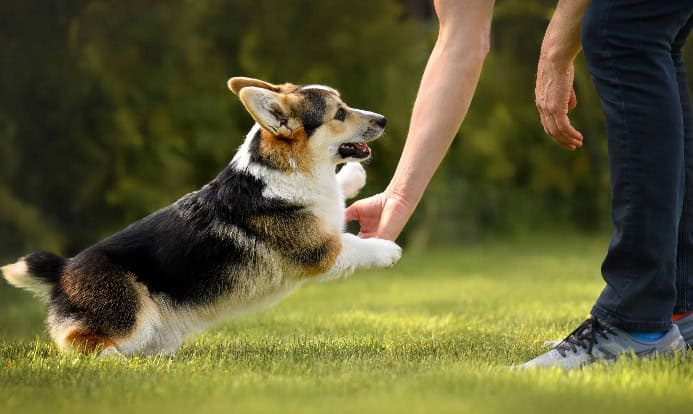
Understanding pet health needs is crucial. This includes regular vet visits, a balanced diet, exercise, stimulation, and preventative care.
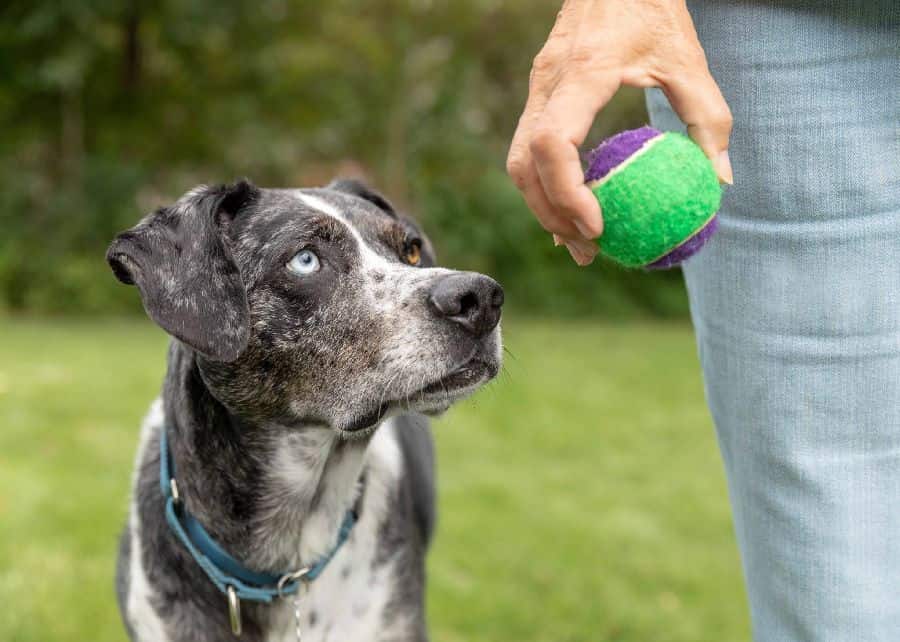
Choose safe games for older dogs based on your dog’s size, ability level, and any health issues it may have.

Canine osteoarthritis is painful but manageable. Help your dog with medications, supplements, a healthy diet, and moderate exercise.

Canine Cognitive Dysfunction, also known as dog dementia, affects 50% of dogs 11 and older. The disease can change your dog’s awareness and memory.

Senior dog care: Take steps to keep your dog healthy and active for as long as possible. Meet your dog’s diet, exercise, and grooming needs.

When creating a healthy meal plan for your dog, consider the nutrients your dog needs based on its age and activity level.
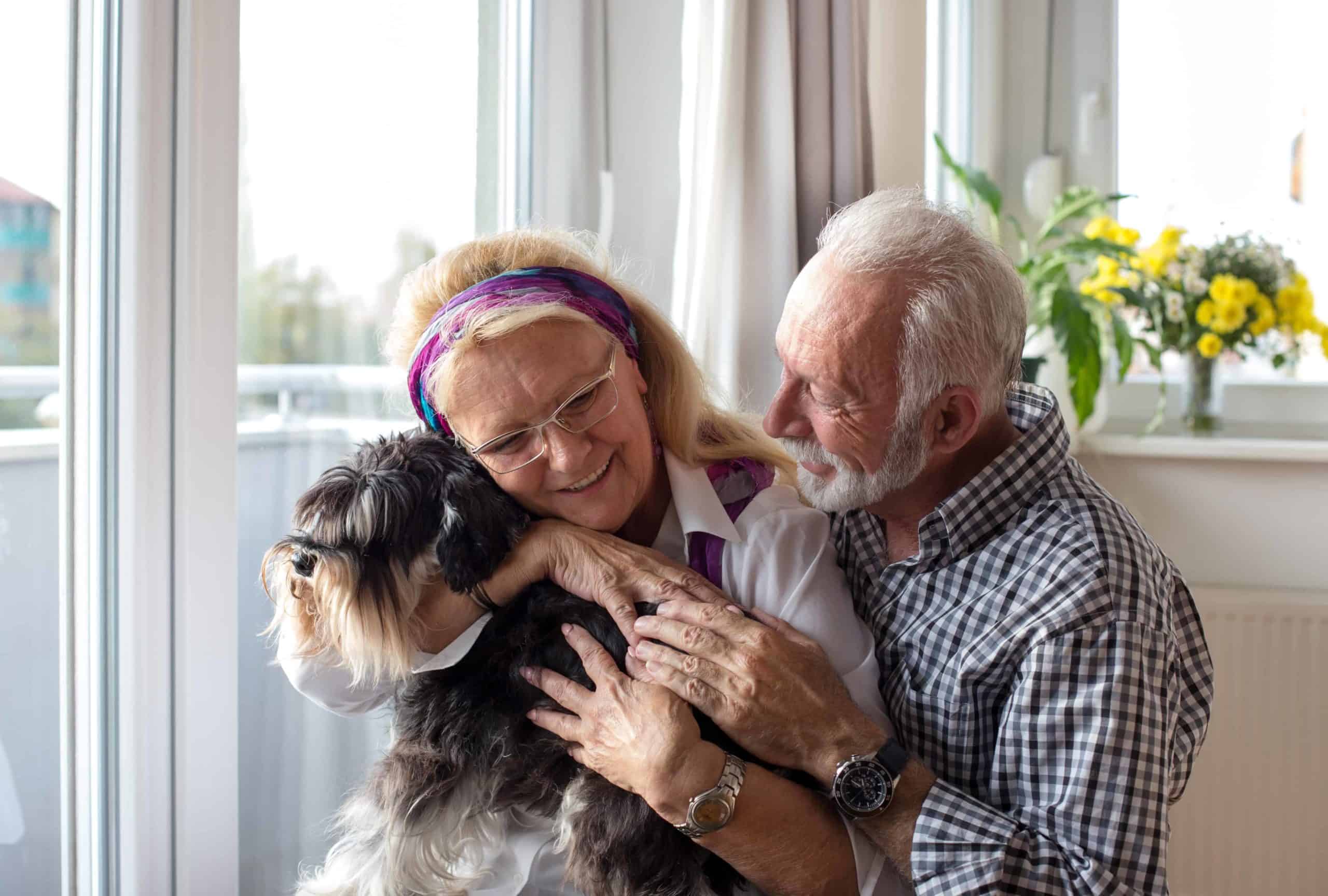
Use these tips to help seniors find the perfect dog. Weigh your energy level, physical condition, and your environment when selecting a pet.

Four chapters of your dog’s life: puppy, young adult, adult and senior. Understand each stage to provide the proper care your dog needs.
[mc4wp_form id=”13217″]