Dental care for your senior dog
The good news is that you can take care of your senior dog’s teeth and gums and make a few minor adjustments to their diet in order to greatly improve their quality of life.

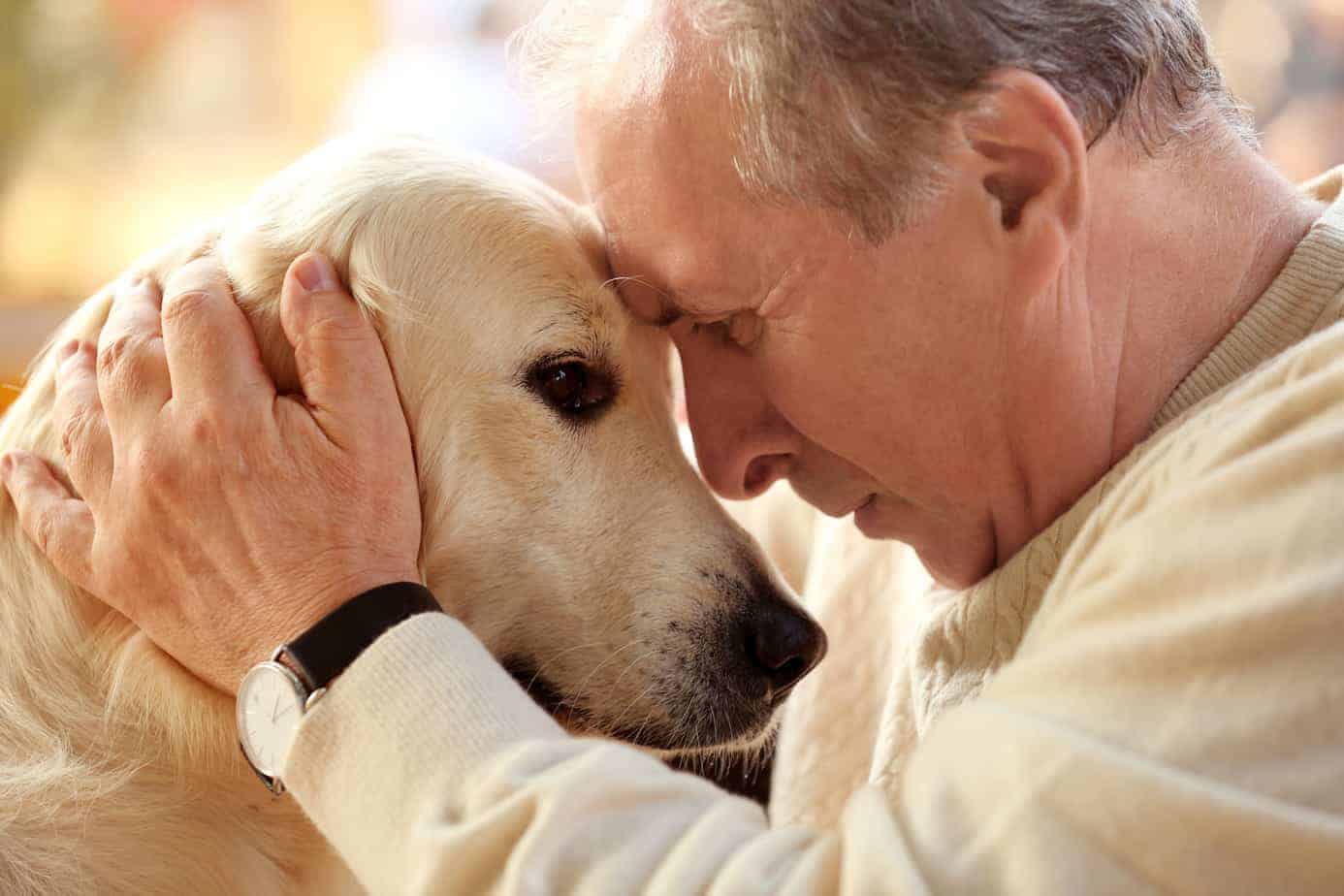 Old dogs need extra care. Provide special grooming. Schedule regular vet visits to help your dog maintain mobility and stay at a healthy weight.
Make changes: Modify your dog’s diet, take shorter daily walks, and provide more potty breaks.
Stay active: Create an exercise program to keep your senior dog active.
Old dog, new tricks: Training an older dog is easier. Older dogs have longer attention spans, pay attention and follow commands.
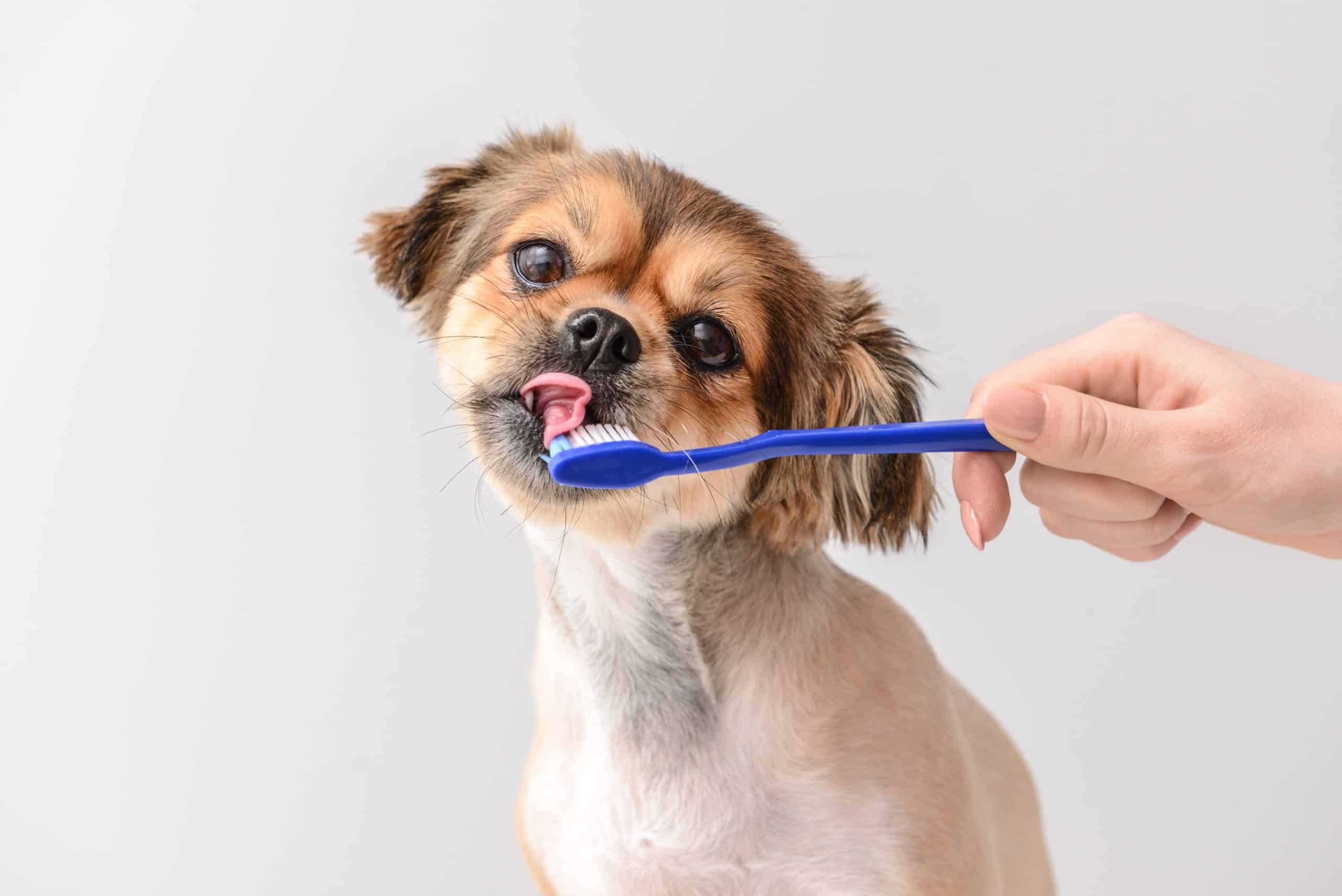
The good news is that you can take care of your senior dog’s teeth and gums and make a few minor adjustments to their diet in order to greatly improve their quality of life.
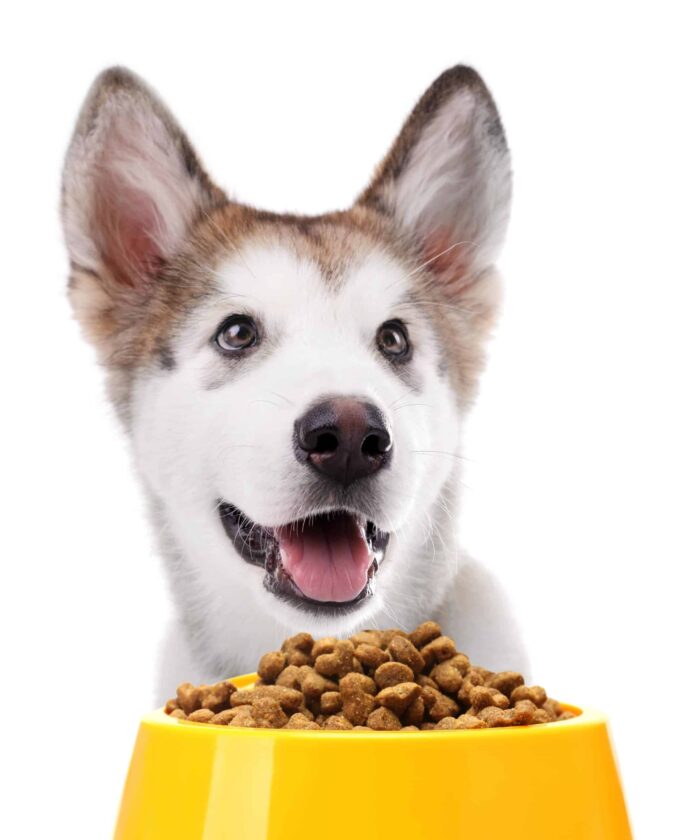
Make sure you pay attention to nutrition for pets and give your dog the food he needs to stay happy and healthy.
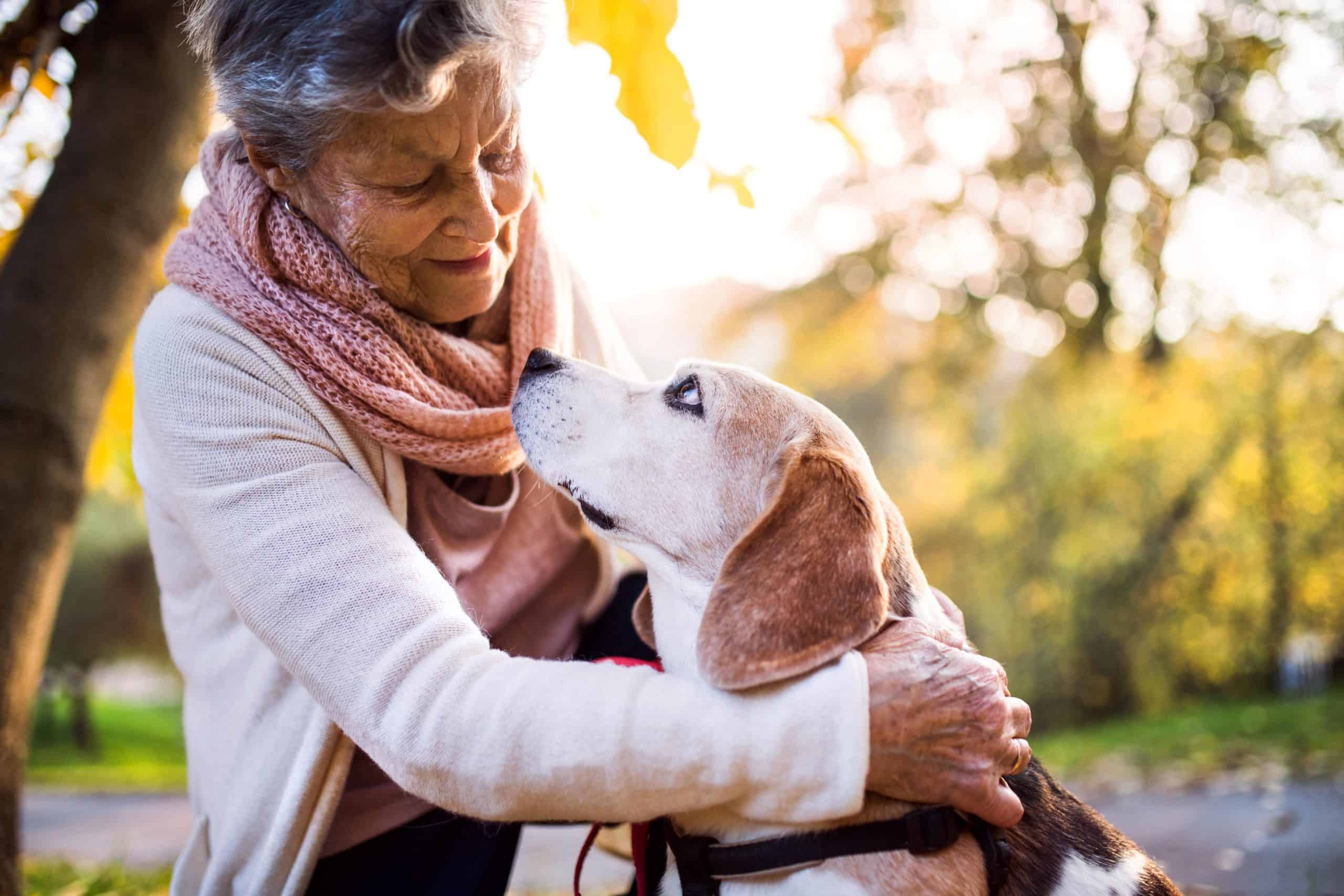
Keep older dogs healthy by monitoring their weight, activity, teeth and body changes. Schedule regular vet checkups.
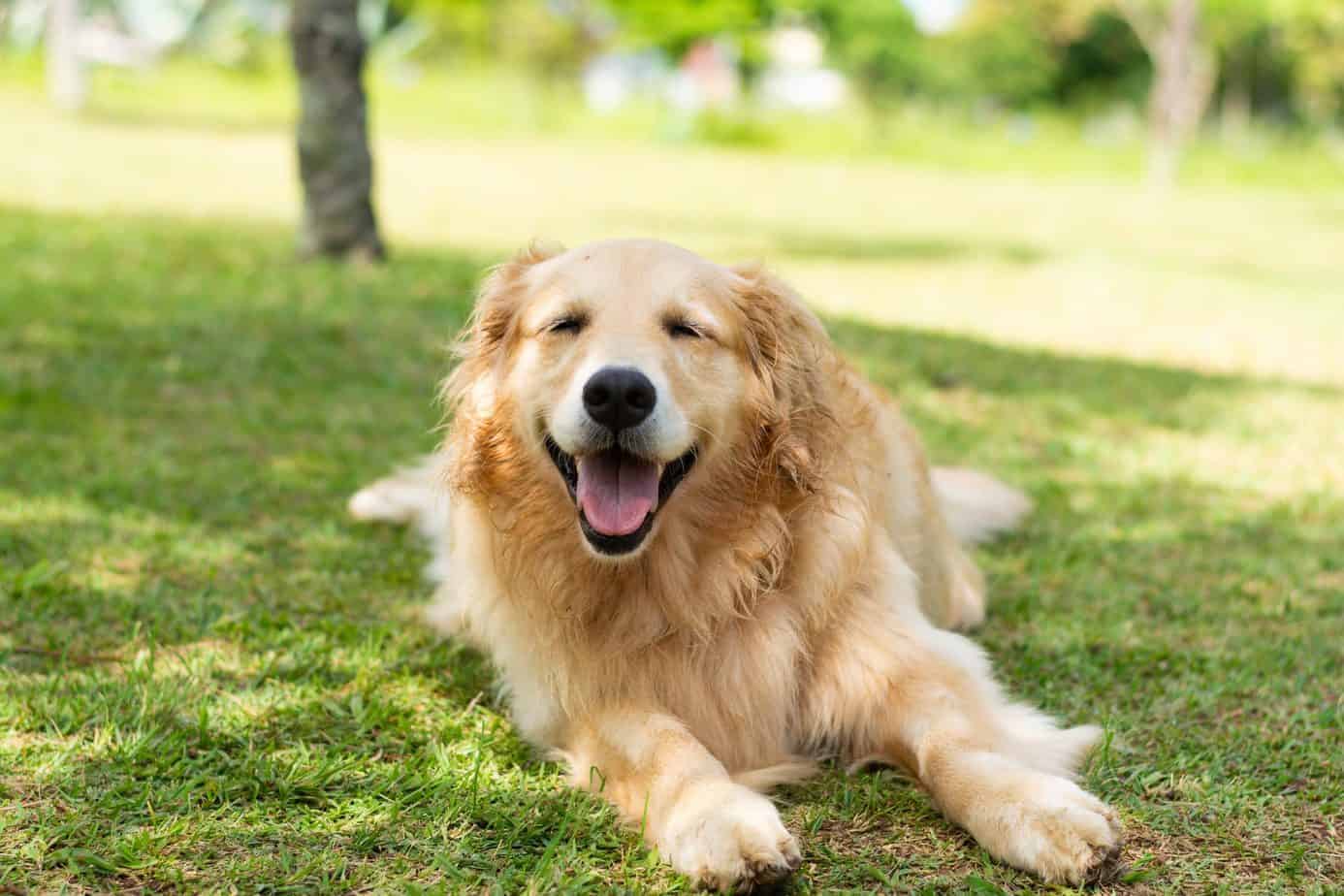
Potty train an older dog: Establish a routine, use lots of praise, take him outside often, and learn to watch his cues. And never scold.
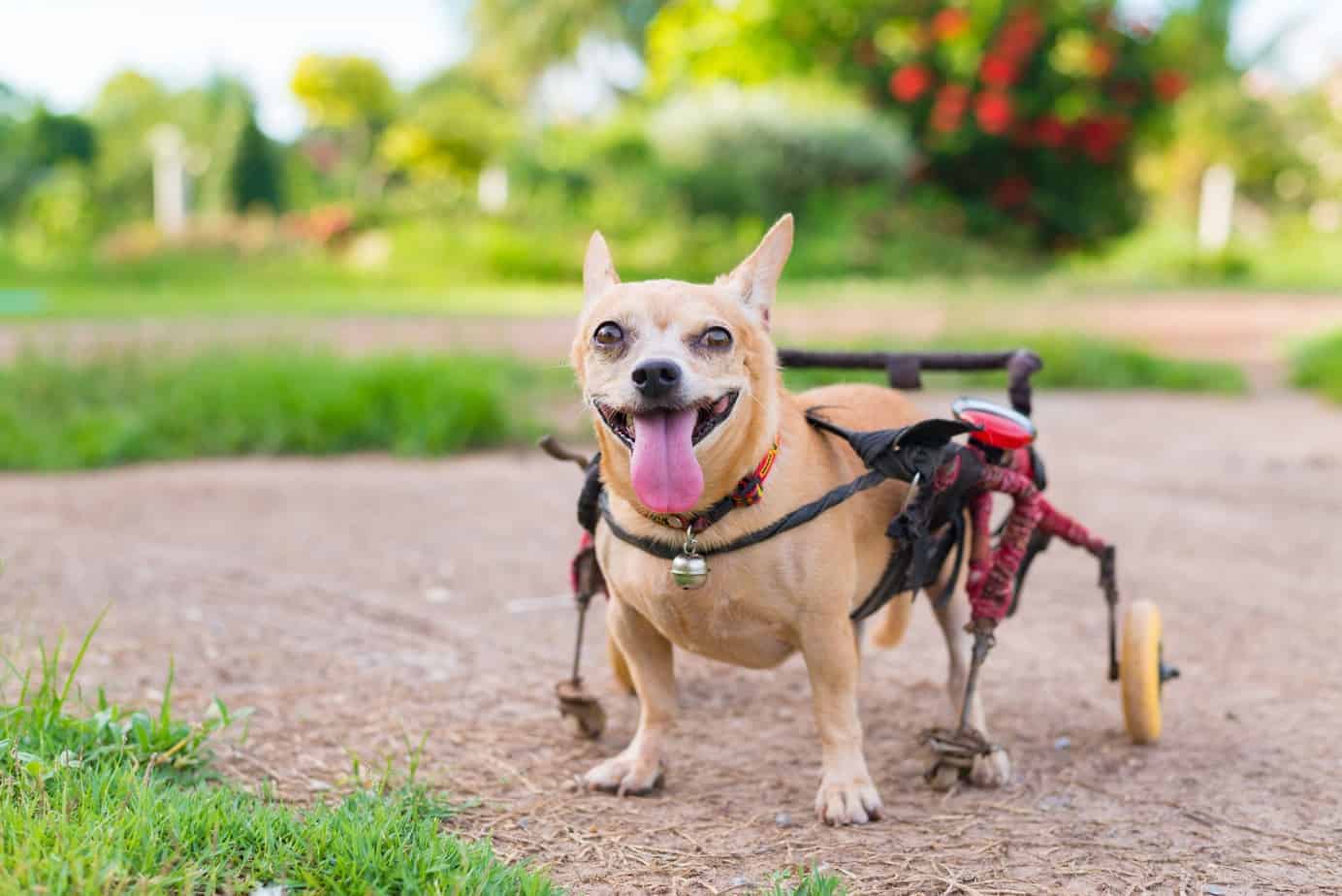
Disabled dog: Analyze your home to determine if you need to make changes in lighting or to help with your dog’s mobility.
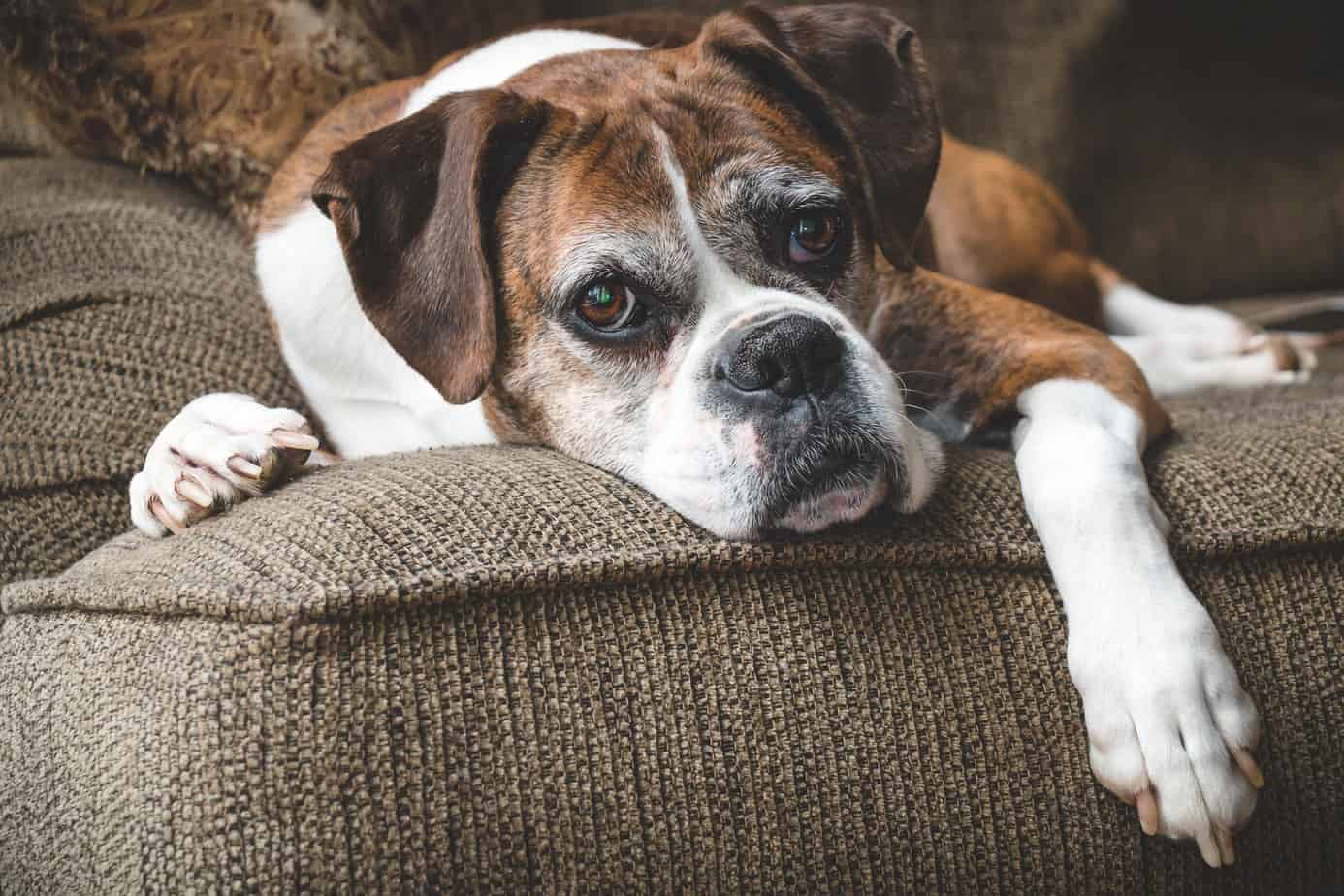
As your dog gets older, start watching for aging dog behaviors. Don’t be surprised to find your once active dog sleep more and play less.
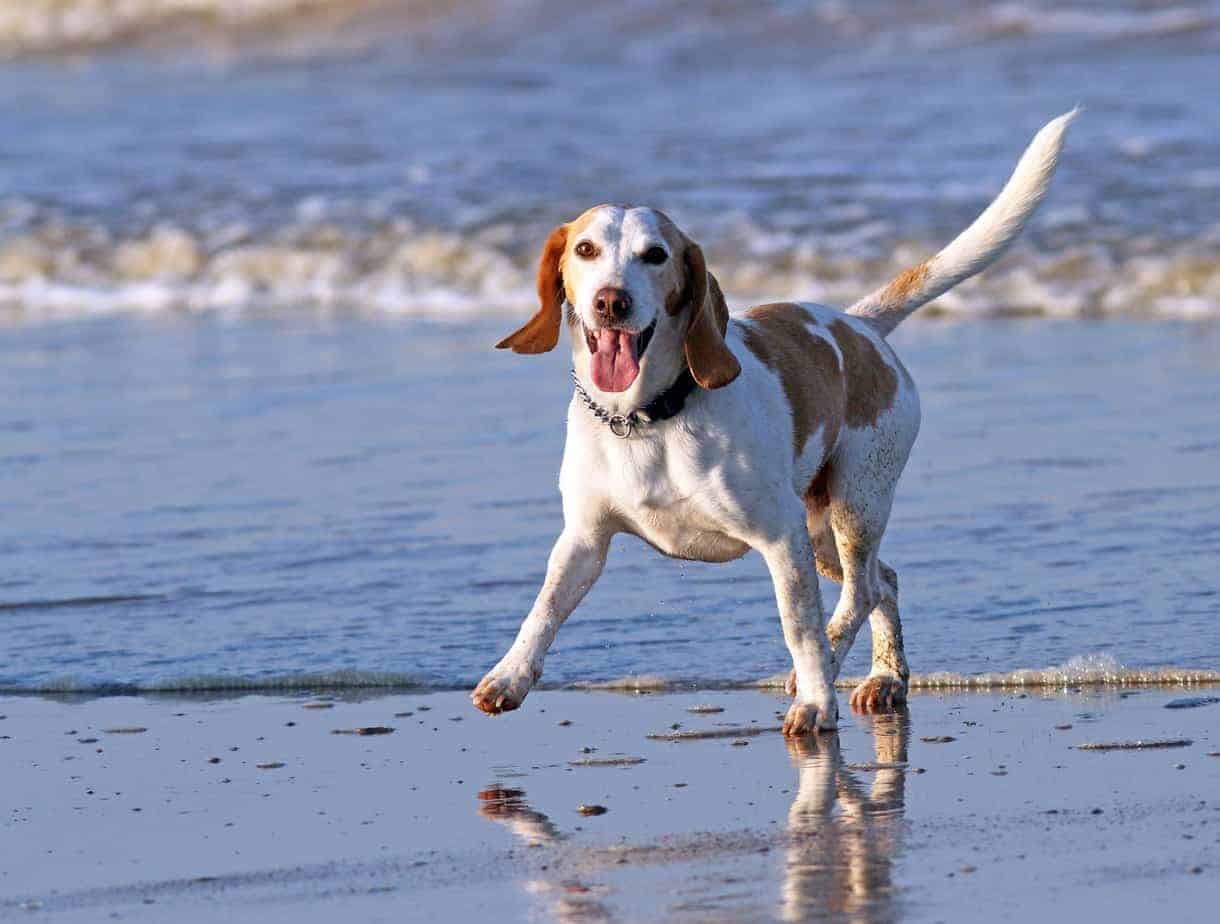
Dog stays happy and healthy: Exercise, nutrition, health checks, joint care and lots of love. Take steps to ensure that your dog has a happy and long life.
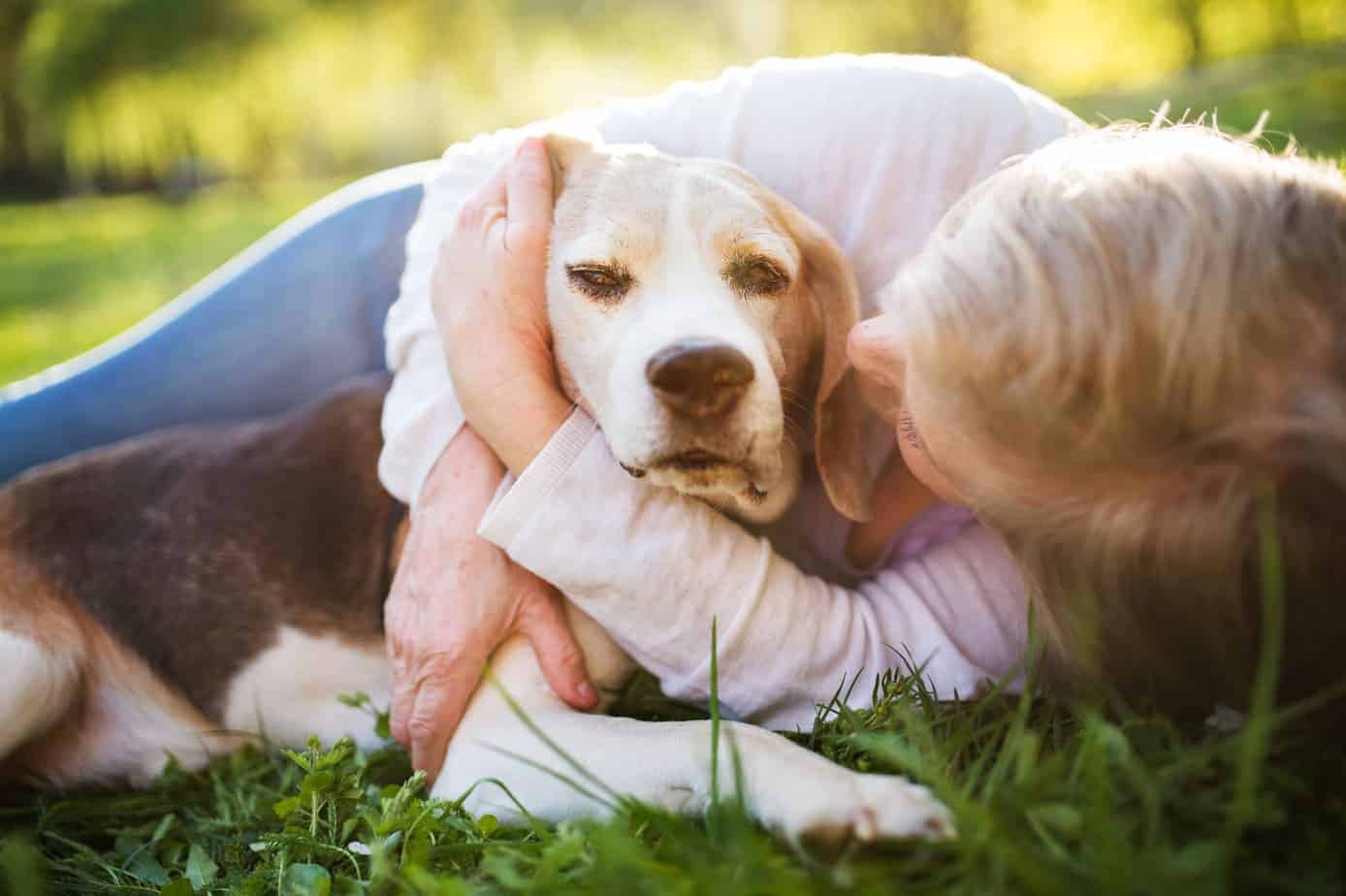
Caring for senior dogs includes regular vet care, special attention to food and exercise, joint pain management and lots of TLC.
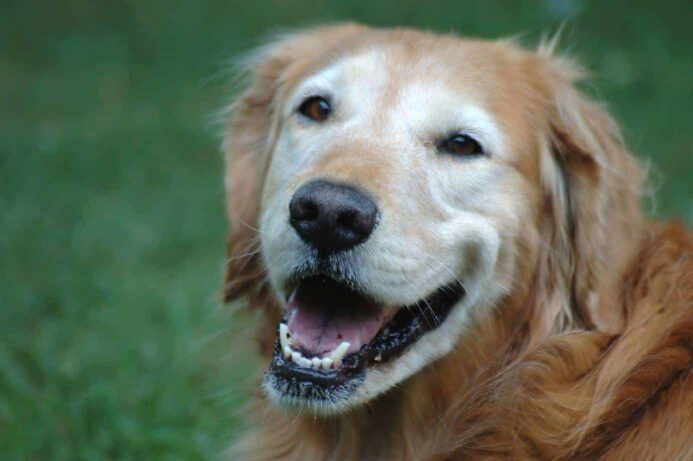
Help your aging dog if he starts having trouble regulating body temperature, sleeping through the night or becomes incontinent.
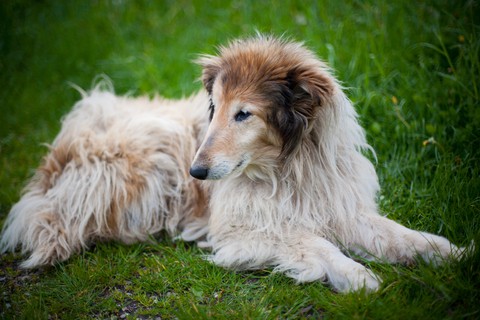
Older dogs need extra care including special grooming and regular vet visits to maintain mobility and stay at a healthy weight.
[mc4wp_form id=”13217″]