
How to know if an energetic Alaskan Malamute is right for you
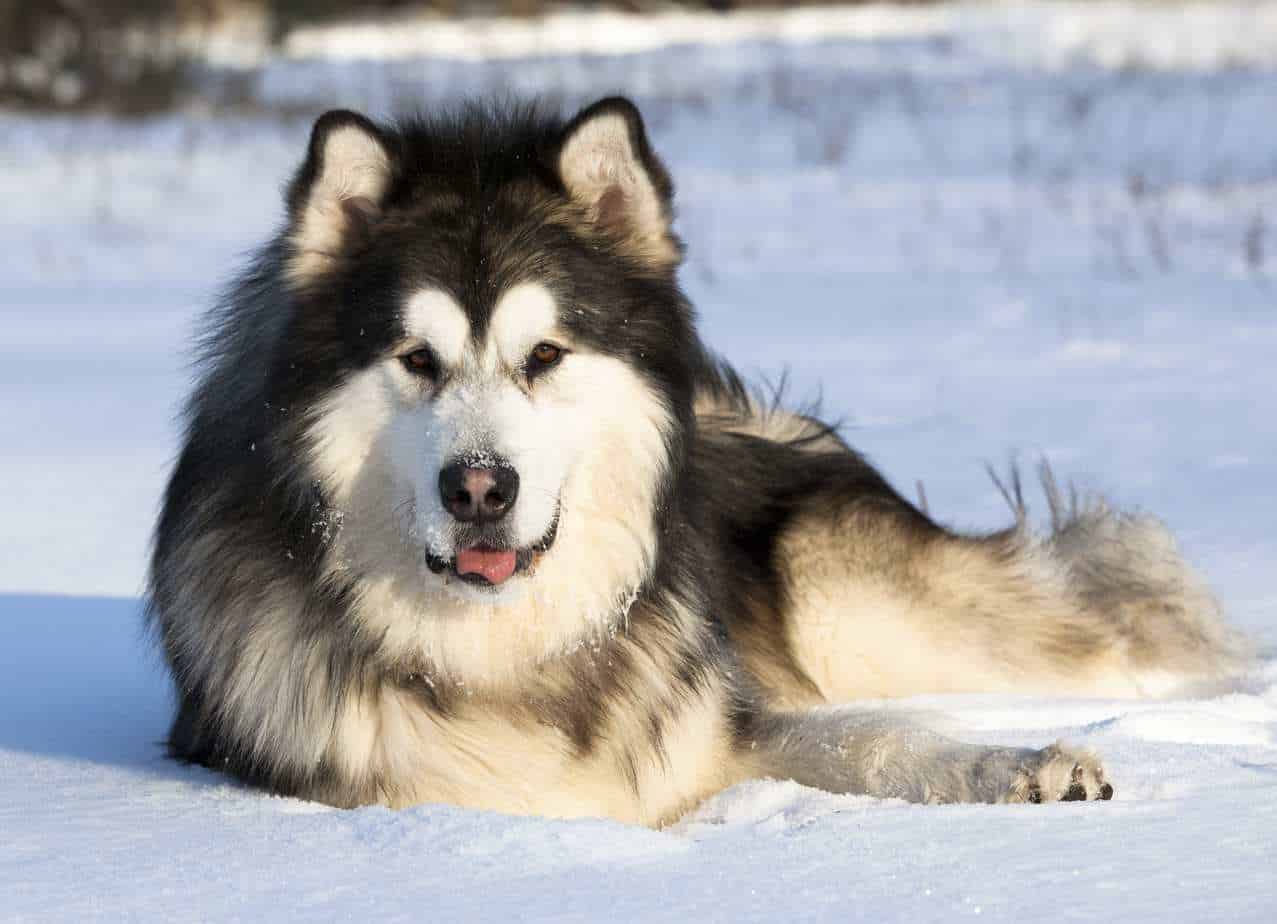
Frequently confused with both the Alaskan and Siberian Husky, the Alaskan Malamute is one of the oldest dog breeds.
Even though the Alaskan Malamute is an intelligent breed, without proper training and leadership, the dog can become challenging to handle.
If you’re considering adopting one, be aware that they can often be needy and sensitive. Many experienced pet owners who are familiar with the breed advise first-time pet owners to consider an alternative.
An Alaskan Malamute is never well-suited for apartment life because of its large size and double coat, which will leave a lot of fur in the shedding season. Warm environments are not the best choice for them either.
The Alaskan Malamute requires an owner with a certain level of experience with dogs, a large yard to help burn off its energy, and a relatively cold environment.
You will also need to consider using a pet sitter or doggy daycare because Alaskan Malamutes are well-known for destructive behavior if bored.
Breed history
The Alaskan Malamute is one of the oldest and largest Arctic sled dog breeds, with a history that spans over a thousand years.
Bred by Mahlemut Inuits in Alaska, these dogs were valued for their strength and endurance, assisting in hauling heavy sled loads across harsh landscapes.
Their physical traits, such as a thick double coat and powerful build, were developed for this purpose.
During the late 19th-century Gold Rush, Malamutes gained popularity outside Alaska, but faced challenges with the introduction of other breeds like the Siberian Husky.
Dedicated breeders preserved the breed’s unique characteristics, ensuring its distinct identity.
Today, while still appreciated for sledding, Alaskan Malamutes are mainly kept as family pets, known for their friendly temperament, intelligence, and playful nature, with their historical roots as hardworking sled dogs being a significant part of their identity.
Alaskan Malamute personality
The Alaskan Malamute is one of the most playful breeds, always full of energy and ready to go. Despite their large stature and wolf-like appearance, the Alaskan Malamute is extremely friendly even to strangers, so don’t count on them to guard the house.
Malamutes are loyal as they are pack animals, so they are more than willing to participate in any activity with their human pack.
Suppose you’re considering adopting an Alaskan Malamute. In that case, you likely want to get him as a puppy so you can use training and socialization to help shape him into a friendly, loyal, obedient, and sociable pal.
Size
Thanks to their large size and similarities with wolves, Alaskan Malamutes usually play wolf roles in movies. Males are generally 25 inches in height at the shoulder and weigh up to 100 pounds. Females are around 23 inches in height and usually weigh up to 80 pounds. Both live for about 15 years.
There are rare exceptions when a Malamute reaches 140 pounds – he is then called a giant Malamute, yet they aren’t formal structures to categorize excess weight.
Health
Alaskan Malamutes are generally healthy, but like many purebred dogs, they are prone to several health conditions.
Common Alaskan Malamute health conditions:
- Hip dysplasia
- Elbow dysplasia
- Cataracts
- Chondrodysplasia: A genetic disorder that affects cartilage and bone development
- Inherited polyneuropathy: A nerve disorder that can cause rear leg weakness or paralysis
- Hypothyroidism: A low thyroid function, which can cause excessive shedding, thin or dull coat, and weight gain
- Day blindness: A congenital disorder that causes the dog’s vision to be blurry in brighter light
Caring for an Alaskan Malamute
Taking good care of your Alaskan Malamute is a tricky task, especially if you’re not familiar with the psychology of this breed.
The dogs are born seekers. They are always ready to receive an assignment and to complete it with focus, energy, and passion. The breed enjoys hikes, long walks, running, playing, and cuddling..
When it comes to shelter, your dog can sleep outside because his thick coat will protect him even during the coldest times. Even so, if you leave your dog out, be sure he has adequate shelter.

Training
Alaskan Malamute puppies are intelligent and strong-willed, requiring consistent training and early socialization to thrive as family pets and manage their high energy levels.
Training needs
Positive reinforcement techniques: Use treats, praise, and play to encourage good behavior in Malamute puppies. Avoid harsh techniques, as they can lead to resistance.
Obedience training: Start with basic commands like sit, stay, and come. Keep sessions short and engaging to maintain their interest.
Leash training: Teach your Malamute to walk calmly on a leash to prevent pulling and to ensure enjoyable outings.
Advanced training: Consider agility classes or advanced training to provide mental stimulation and an outlet for their energy.
Socialization requirements
Early exposure: Start socializing your Malamute as a puppy by introducing them to diverse environments, people, and animals.
Controlled interactions: Arrange playdates with well-behaved dogs and supervised interactions with children to encourage positive behavior.
Variety of experiences: Expose your Malamute to new sounds, sights, and situations regularly to build confidence.
Ongoing socialization: Continue exposing your Malamute to new experiences throughout their life to reinforce adaptability.
Meet your dog’s exercise needs
Alaskan Malamutes are energetic and strong dogs that require regular exercise to stay happy and healthy. Here are some practical tips for potential owners:
Daily exercise: Aim for at least 1 to 2 hours of vigorous exercise daily, including walks, runs, or hikes.
Variety of activities: Mix activities to prevent boredom. Incorporate swimming, biking, and games like fetch to keep your Malamute engaged.
Interactive play: Spend quality time with games such as tug-of-war or hide-and-seek to strengthen your bond and release energy.
Socialization: Set up playdates or visit dog parks to give your Malamute opportunities to socialize with other dogs.
Training sessions: Use training as both obedience practice and mental stimulation to keep your Malamute’s mind sharp.
Weather awareness: Exercise during cooler times in hot weather and ensure access to water and shade.
Leash control: Use a sturdy leash or harness for walks, as Malamutes may chase small animals.
Canine sports: Consider dog sports like agility or sledding to provide a stimulating challenge.
Mental stimulation: Incorporate puzzle toys and scent work to keep your Malamute mentally engaged.
Monitor health: Adjust exercise routines based on your dog’s age, health, and energy levels.
Grooming
An Alaskan Malamute can be kept clean and fresh with minimal hassle.
Because the breed has a double coat, you’ll need to brush your dog at least twice a week. Some may need daily brushing. Most of the clean-up will require vacuuming the remaining hair.
You should bathe your dog whenever he’s filthy or every two to three months. The rest is pure basics – trim his nails (once a month), brush his teeth daily, and monitor his ears, eyes, and mouth.
Feeding an Alaskan Malamute
Because the Alaskan Malamute is constantly active, its nutritional needs are critical to its health and well-being.
Consult your vet or do your homework before making any decisions.
Consider the size of the portions, the ingredients, and the frequency of the meals according to your dogs’ lifestyle and preferences.
Final thoughts on Alaskan Malamutes
The Alaskan Malamute is one of the most beautiful and intelligent breeds. But before you adopt one, be sure you’re prepared for the responsibility.
Alaskan Malamutes are needy and energetic dogs. They are diggers and hunters who need constant grooming to stay healthy.
Peter Hill is a professional writer who works for writing services like Assignment Holic Service and Paper Writing Pro. He likes traveling and editing photos and videos. If you need any online assignment help, connect with him. You can find him on Twitter and Facebook.