
Love at first wag: Find the right dog breed for you

Finding the right dog is one of the best decisions you’ll ever make. It’s also one of the easiest to get wrong. With more than 350 breeds recognized worldwide, the options can feel overwhelming. But here’s the thing: the right dog isn’t the one that looks cutest on Instagram. It’s the one that fits your actual life.
Think of it like choosing a roommate. You wouldn’t move someone in without asking some key questions first. The same logic applies to dogs.
And it turns out, most people take their time with this decision. Research conducted in 2022 by OnePoll on behalf of Royal Canin for National Pet Foster Care Month found that the average American spends about 4 months searching for their dog, visiting multiple shelters, and logging hours of online research. That kind of patience pays off.
So, what does the right breed actually look like for you? Let’s find out.
Here we look at a few popular breeds (and maybe a few you’ve never heard of) that are fun, loyal, smart, and family-friendly for you to consider so that you can choose the right dog breed for you.
Start with your lifestyle, not the look
- Start with your lifestyle, not the look
- What are the most popular breeds right now?
- Small, medium, or large: does size matter?
- Energy levels: match your pace
- Think about temperament, not just cuteness
- Some breeds worth knowing
- Don't overlook adoption
- Before you bring anyone home
- The right dog is out there
It’s tempting to fall for a breed because you saw one at the dog park or in a movie. But attraction fades when reality sets in. A high-energy Border Collie in a studio apartment isn’t a cute story. It’s a recipe for a stressed dog and a frustrated owner.
Ask yourself the honest questions:
- How active are you, really?
- Do you have kids or other pets?
- How much space do you have indoors and outdoors?
- How many hours a day will your dog spend alone?
- What’s your grooming tolerance?
- Can you handle a dog that sheds, drools, or barks?
Your answers shape everything. A marathon runner and a work-from-home introvert need completely different dogs.
What are the most popular breeds right now?
The American Kennel Club releases annual breed rankings based on registration numbers. Here’s where things stand for 2025:
- French Bulldog
- Labrador Retriever
- Golden Retriever
- German Shepherd Dog
- Dachshund (moved up, bumping the Poodle out of the top five)
- Poodle
- Beagle
- Rottweiler
- German Shorthaired Pointer
- Bulldog
The French Bulldog has held the top spot for four consecutive years, having dethroned the Labrador Retriever in 2022 after the Lab’s remarkable 31-year run at number one.
Frenchies are compact, low-energy, and adapt well to city living. But they come with real health considerations, including breathing issues common in brachycephalic breeds.
Popularity doesn’t always mean the right fit.
Popularity is a useful starting point, not a final answer. A breed that works beautifully for millions of families might be totally wrong for yours.
Small, medium, or large: does size matter?
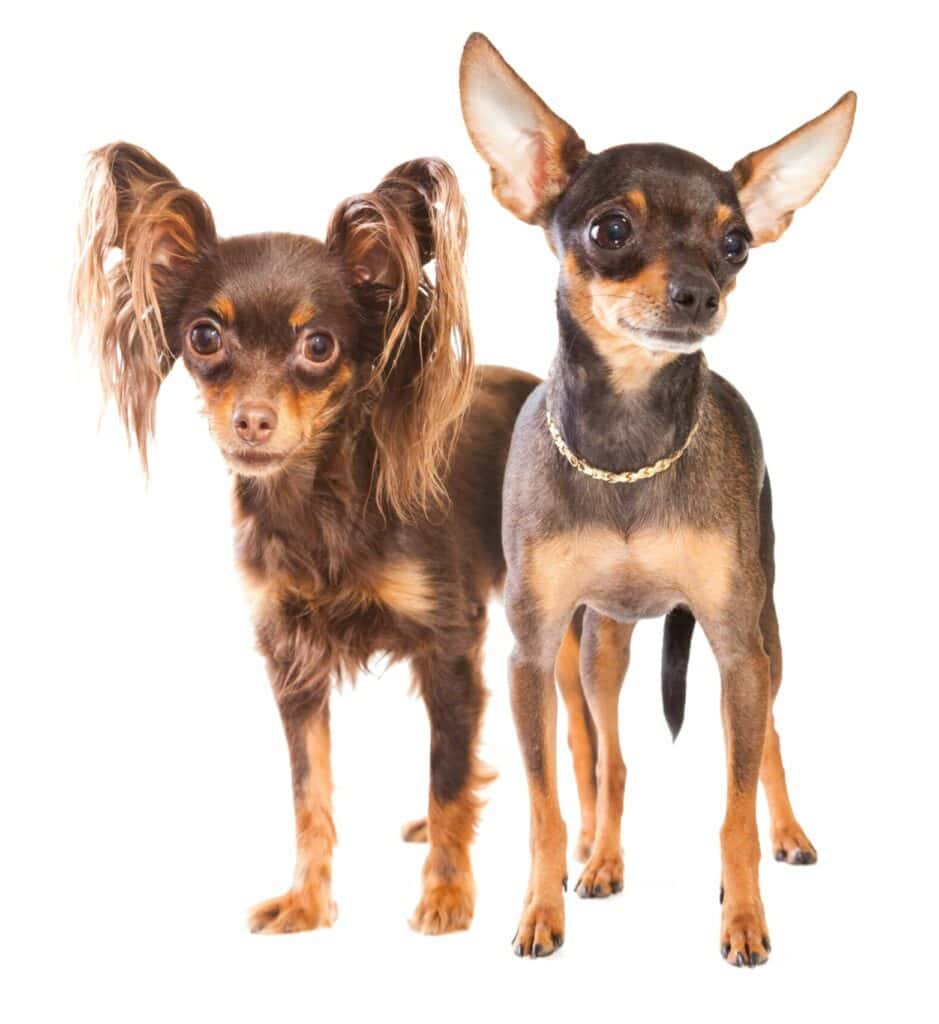
Size matters more than most people expect. And it’s not just about square footage. A large dog’s food bill, vet costs, and space needs all scale up with weight. Here’s a quick breakdown:
- Small breeds (under 20 lbs): Great for apartments, lower food costs, and often live longer. It can be fragile around young kids.
- Medium breeds (20–60 lbs): Versatile for most living situations. Often a sweet spot for families.
- Large and giant breeds (60+ lbs): Need more space, more exercise, more everything. Giant breeds typically live only 7–10 years.
Don’t just think about the dog’s size today. Think about the dog at age 10, when they may need help up the stairs.
Energy levels: match your pace
Every breed has a natural energy level, and mismatches cause misery on both sides. A working dog without a job doesn’t just get bored. It gets destructive.
High-energy breeds like the Australian Shepherd, Vizsla, and Border Collie need serious daily exercise and mental stimulation. They thrive with active owners who hike, run, or have large outdoor spaces. Lower-energy breeds like the Basset Hound, Cavalier King Charles Spaniel, or Shih Tzu are happy with moderate walks and lots of couch time.
Be honest here.
A dog that matches your energy becomes your best adventure partner. One that doesn’t become a problem you feel guilty about.
Think about temperament, not just cuteness
Looks fade. Personality is forever. Different breeds have genuinely different temperaments, and breed profiles are a great place to start your research.
Some key temperament factors to research:
- Independent vs. Velcro dog. Some breeds like Akitas and Shiba Inus prefer their own company. Others like Golden Retrievers and Labrador Retrievers want to follow you everywhere, including the bathroom.
- Kid-friendly vs. reserved. Patient breeds like Beagles and Goldens tend to do well with children. More protective or sensitive breeds may need more management.
- Stranger-friendly vs. watchdog. If you want a dog that alerts you to visitors, German Shepherds and Rottweilers fit the bill. If you want a social butterfly at the dog park, look elsewhere.
Some breeds worth knowing
Beyond the top 10, there are hundreds of breeds worth considering. A few that don’t always get the spotlight:
- Russian Toy: Tiny, spirited, and deeply affectionate. Perfect for someone who wants a compact companion.
- Mudi: A smart, versatile Hungarian herding dog. Rare in the U.S., but gaining fans among active dog owners.
- Norwich Terrier: Small but fearless. Great personality packed into a compact frame.
- Cavalier King Charles Spaniel: Gentle, adaptable, and great with kids. One of the best breeds for first-time owners.
- Basenji: The dog that doesn’t bark. Seriously. It yodels. Ideal for apartment-dwelling pet owners who want a quiet, athletic breed.
Don’t overlook adoption
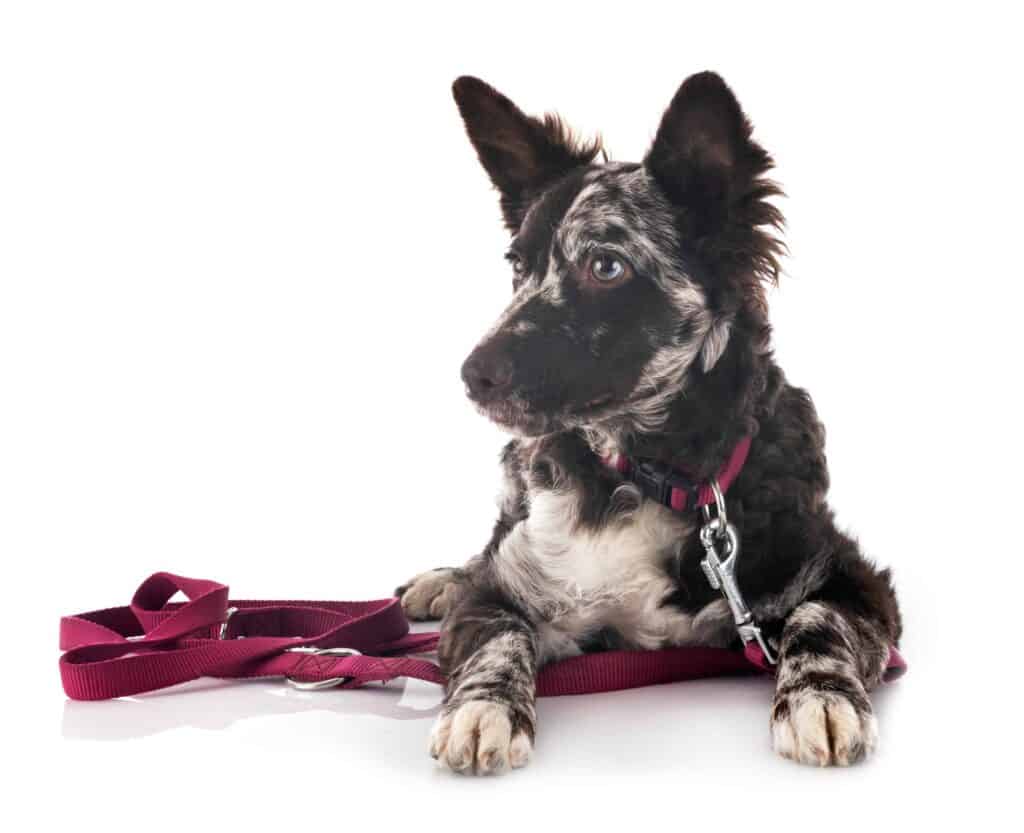
Shelter dogs and mixed breeds can be just as loyal, healthy, and loving as any purebred. Rescued dogs seem to carry a special kind of gratitude. Many owners say their adopted dog knew exactly what happened and never forgot.
Millions of wonderful dogs wait in shelters every year. Petfinder.com lets you search by breed, size, age, and location. You might find your perfect match right in your own city.
Also consider breed-specific rescues. If you love the idea of a Golden Retriever or a Greyhound but want to adopt rather than buy, there’s almost certainly a rescue organization dedicated to that breed.
Before you bring anyone home
A few practical steps that make a real difference:
- Meet the dog in person before committing. Photos and videos don’t capture personality.
- Spend time with the breed first. Visit a friend, attend a dog show, or volunteer at a shelter.
- Use a breed selector tool to narrow down options based on your lifestyle.
- Talk to veterinarians and experienced owners, not just breeders.
- Be realistic about training time, not just in the puppy months, but for the life of the dog.
The right dog is out there
Every dog, purebred or rescue, has the capacity to become the most important relationship in your life. The goal isn’t to find a perfect dog. It’s to find the right dog for you.
Take your time. Do your homework. And when you find the one, you’ll know.
Tyler Evans has never met a dog he didn’t like. He’s a proud dog papa to two German Shepherd rescues and the creator of Dog Zasters. Tyler created the website to showcase the funny, sometimes messy, side of being a dog parent. He hopes the website will bring joy to those who visit it and encourage people to welcome a dog’s love into their lives.