
Use 8 strategies to stop dog licking wounds without using a collar
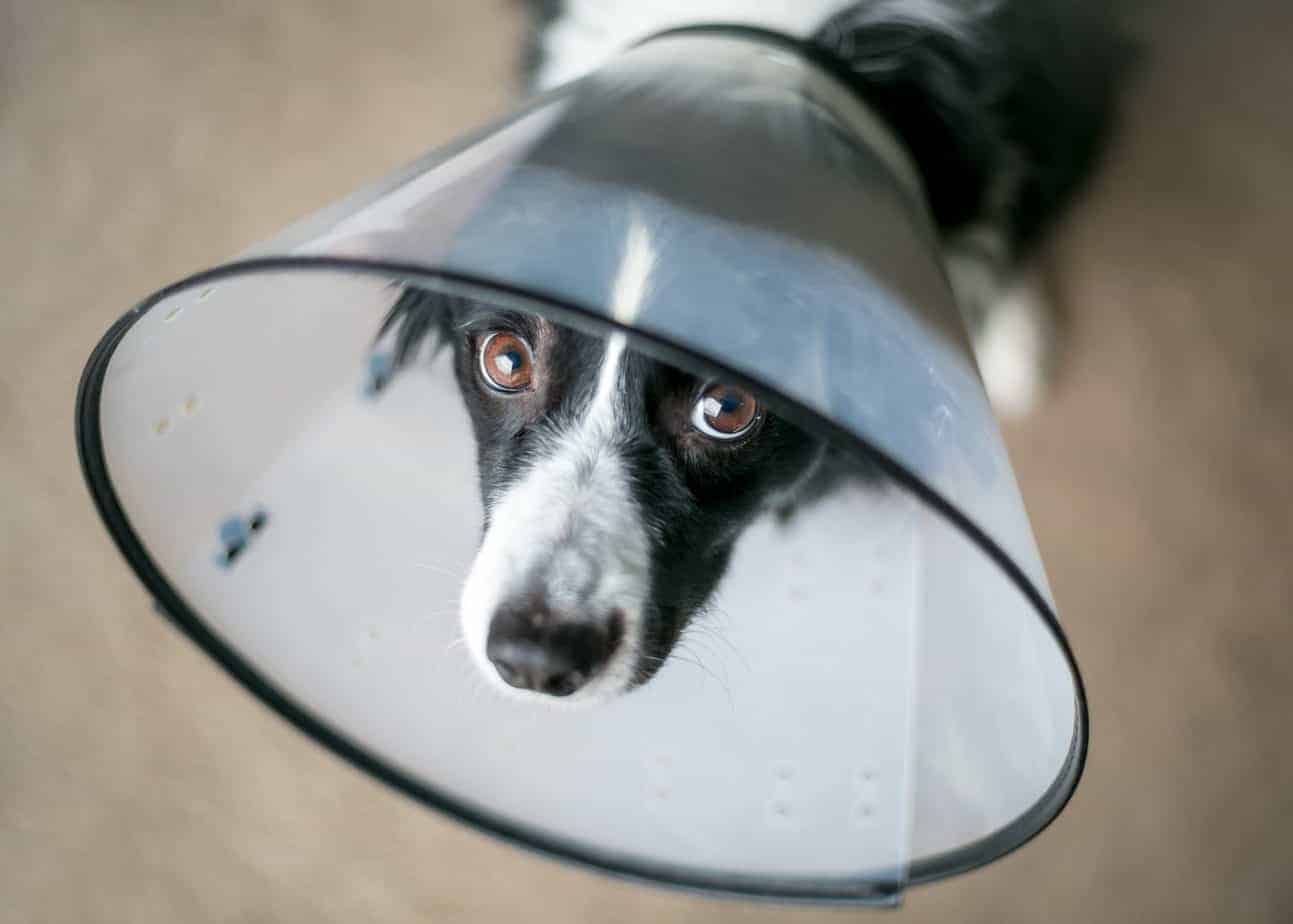
Observing your dog licking wounds can evoke mixed reactions; some find it unpleasant, while others allow it.
Many people believe a dog’s saliva has strong antibacterial properties that can help wounds heal faster. This is a common myth among people who allow dogs to lick wounds.
However, it’s essential to know that this supposed miracle cure is only present in minimal amounts and does not speed up healing.
Excessive licking can hinder the healing process and cause infection.
Therefore, it’s essential to prevent your dog from incessantly licking his wounds. Excessive licking can cause more damage to the injured area.
But using an e-collar, otherwise known as a cone of shame, poses risks.
Why do dogs lick wounds?
- Why do dogs lick wounds?
- Wound licking dangers
- Elizabethan collar dangers
- 1. Tell your dog 'off'
- 2. Use barriers for wounds on extremities
- 3. Use a bandage
- 4. Apply bitter substances
- 5. Try essential oils or herbal sprays
- 6. Create a homemade spray to stop wound licking
- 7. Use medication
- 8. Let your dog wear a onesie
- Potential costs
- Watch for signs of stress
- Final thoughts to stop your dog from licking wounds
Dogs instinctively lick their wounds, but this may not always be best for their healing process.
Self-cleaning instinct
One of the main reasons dogs lick their wounds is that it’s part of their self-cleaning instinct.
Dogs naturally tend to groom themselves by licking different body parts, including any wounds they may have.
This behavior helps keep the wound clean from dirt and debris that may cause infection.
Pain relief
Licking releases endorphins, which act as natural painkillers. So when your dog licks its wound, it may be trying to soothe itself from discomfort or pain.
This behavior resembles how humans rub or massage an injury site for relief.
Stimulate healing process
Dog saliva contains enzymes that can stimulate the production of new skin cells and aid in healing wounds.
Licking also increases blood flow to the wounded area, providing essential nutrients and oxygen for healing.
Habit
Some dogs develop a habit of licking specific areas on their bodies excessively due to boredom or anxiety, even if there is no underlying wound.
This behavior can often become compulsive and difficult to break.
While licking can be beneficial for cleaning and promoting healing, excessive licking can do more harm than good.
Wound licking dangers
One of the main dangers of wound licking is the risk of infection. Dog saliva contains bacteria that can lead to infections and further complications when introduced into an open wound.
That risk is heightened for deep wounds or surgical incisions requiring proper healing without interference.
The constant moisture from saliva can also delay the formation of scabs, which act as a protective layer for the wound.
Excessive licking can irritate the skin around the wound, leading to inflammation and discomfort for your dog. This could cause them to lick even more in an attempt to soothe themselves, creating a vicious cycle that could worsen their condition.
Additionally, dogs with allergies or sensitive skin may develop allergic reactions due to the saliva on their wounds.
Another danger of wound licking is self-inflicted trauma. Some dogs may become fixated on a particular area or object and repeatedly lick it until they create a raw spot or remove the skin.
Boredom or anxiety can trigger this behavior and cause severe damage to the skin that requires medical attention.
Excessive wound licking can also have psychological consequences for your furry friend. It may lead to obsessive-compulsive behaviors where they constantly lick themselves even when there are no injuries present.
This behavior causes distress and could interfere with their daily activities, such as eating or sleeping.
While some wound licking is normal, monitoring and limiting this behavior is crucial to prevent potential dangers.
As a responsible pet parent, you must take the necessary measures to ensure your dog’s wounds heal without complications.
Elizabethan collar dangers
The Elizabethan collar, or the “cone of shame,” is commonly used to prevent dogs from licking or chewing on wounds.
While it may seem practical, pet owners should be aware of some dangers associated with its use.
First and foremost, the e-collar can cause discomfort for dogs.
The rigid plastic or cardboard material can rub against their neck, creating irritation or even sores.
This discomfort can lead to excessive scratching or rubbing against furniture, which defeats the purpose of using the collar in the first place.
Moreover, wearing an Elizabethan collar can be distressing for dogs.
They may feel restricted and unable to move freely, causing anxiety and stress, which can cause decreased appetite and lethargy.
Another danger to consider is potential injuries caused by bumping into objects while wearing the cone.
Dogs are unaccustomed to having large objects around their necks, making navigating spaces more challenging.
They may accidentally bump into walls, door frames, or furniture while trying to move around with the collar on. These collisions can cause bruises, cuts, or even concussions.
Furthermore, prolonged use of an Elizabethan collar can lead to physical complications such as muscle atrophy in the neck area due to lack of movement.
This shrinkage of muscles can result in weakness and pain when trying to lower their head or neck after being without the cone for an extended period.
Elizabethan collars or inflatable collars also pose physical and psychological dangers. Collars can make dogs feel isolated from their surroundings and restrict their social interactions with humans and other pets.
This sense of isolation can negatively impact a dog’s mental well-being.
Fortunately, seven cone alternatives are equally effective in preventing dogs from licking their wounds.
1. Tell your dog ‘off’
No dog will be happy to nurse an injury. It hurts and makes dogs uncomfortable and unhappy. So, the best step they usually take is to lick the wounds.
Licking wounds also helps block the pain receptors. So, if your dog just had surgery, this could be why he licks.
Nevertheless, you have to prevent him from doing so. Now, how can you achieve this?
Tell your dog ‘off.’
If you can’t be there to monitor your dog, get someone to watch over your dog. Ask the person to monitor your dog and tell your dog off whenever he starts licking his wound.
Should you yell or hit the dog to stop him from licking? The answer is, No! Just use “No” or “Stop that” whenever the dog gets in the act. He will understand and start cooperating sooner than you think.
Limitations
Time-consuming: Training your dog to stop licking wounds through redirection or positive reinforcement can take significant time and patience, which may not be a viable option in urgent situations.
Depends on owner consistency: The success of this method hinges on the owner’s consistent application of techniques; inconsistency can lead to confusion for the dog.
Potential for stress: Some dogs may become frustrated or stressed during training, particularly if they do not understand the expectations or find the redirection methods stressful.
2. Use barriers for wounds on extremities
When your dog sustains an injury on his paw pad, don’t just cover it up with a barrier. Your first line of action should be to get it treated. In other words, take the dog to a veterinarian to have the wound examined and treated.
After that, you can proceed with your plans to use a barrier.
What’s the barrier in this case? It is something that could prevent the dog’s tongue from touching the wound without causing any harm or worsening the pain.
If your dog has an injury on his right or left pad, you can cover it with a sock and fasten it to his leg with surgical tape.
However, remember that your dog will try to remove the sock, particularly if the injury still hurts and he wants to lick it to soothe it.
But then, nothing on earth should make you give in to his demand. Let the sock be there; with time, the dog will get used to it.
Limitations
Limited freedom: While barriers can prevent access to specific areas, they may also restrict the dog’s movement and exploration, leading to boredom or stress.
Effectiveness in controlled spaces: This method requires careful management of the environment. If the dog is left unsupervised, they may still find ways to access the wound or tear off bandages.
Behavioral impact: Prolonged confinement or restriction can lead to anxiety or destructive behaviors in dogs that are used to having free range.
3. Use a bandage
A bandage is another barrier you can place over your dog’s wound to prevent it from licking, and avoid using an Elizabethan collar.
You can also use bandages on extremities such as tails and legs or place them on the dog’s body or wherever he is injured.
Do not place a bandage over an injury that hasn’t been treated.
If you are unsure what to apply to your dog’s injury, visit your vet for professional help.
After the treatment, you may add bandages to the injured area to ensure the dog’s tongue doesn’t get to the injury.
It would help if you remembered to use a fresh bandage on the injured area after bathing the dog.
Limitations
Non-adhesive Issues: If not appropriately secured, bandages may come off.
Skin irritation: The adhesive materials used in bandages can cause skin irritation or allergic reactions, especially if kept on for extended periods.
Monitoring required: It’s crucial to monitor the bandage frequently for moisture or debris, as these can lead to infections if left unchecked.
4. Apply bitter substances
Your dog may continue licking his wound even after placing a bandage.
Here’s a simple step for you. Get a bitter substance and apply it to the bandage.
What bitter substance can one use? An example is bitter apple. You may also decide to place anti-lick strips over the dog’s injury.
Is the bitter apple spray safe? The answer is yes. Dog owners can use it to prevent dogs from licking their injuries or bandaged wounds and from chewing on them. The bitter apple spray contains ingredients that are harmless to dogs.
You can make a homemade spray to stop your dog from licking its wound by mixing two cups of apple cider vinegar with one cup of white vinegar. Alternatively, you can mix two cups of lemon juice with one cup of white vinegar.
Use small amounts of these home remedies to determine how much will keep your dog from licking its wound.
Limitations
Temporary effectiveness: The deterrent effect may diminish over time as dogs can become accustomed to the taste, leading them to lick their wounds despite the application.
Skin sensitivity: Some dogs may have sensitive skin or allergies that can be aggravated by the bitter spray, causing irritation or discomfort.
Application frequency: Regular application may be required, which can be inconvenient for pet owners. If not reapplied frequently, the effectiveness diminishes.

5. Try essential oils or herbal sprays
Essential oils or herbal sprays are a natural and effective way to prevent your dog from licking wounds without using a collar. These can be easily found in pet stores or even made at home.
Essential oils are highly concentrated plant extracts used for centuries for their medicinal properties.
They can help soothe skin irritations, reduce inflammation, and repel insects — all beneficial for healing and preventing your dog from licking their wounds.
Lavender and chamomile are essential oils that are safe for dogs and have wound-healing properties. Dilute essential oils with a carrier oil such as coconut or olive oil before applying them to your dog’s skin.
To use essential oils as a deterrent for licking wounds, mix a few drops of the chosen oil with water in a spray bottle and lightly mist it onto the affected area.
Alternatively, add diluted essential oils to a bandage before wrapping it around the wound.
Herbal sprays contain natural ingredients such as calendula, comfrey, witch hazel, and aloe vera — all of which have anti-inflammatory and soothing properties.
You can purchase pre-made herbal sprays specifically designed for pets or make your own at home by infusing dried herbs in hot water until it cools.
Then, strain the mixture into a spray bottle and lightly spritz it onto your dog’s wound multiple times daily.
Although essential oils and herbal sprays are generally considered safe for topical use on dogs’ skin, don’t let your pet eat them. Keep the bottles out of reach, and clean your dog’s wound with a mild soap and water solution before applying any products.
Essential oils and herbal sprays promote faster healing, reduce discomfort, and prevent infections.
Limitations
Skin sensitivity: Some dogs may have sensitive skin or allergies, making them prone to irritation from certain essential oils or herbal compounds. Test the spray on a small area of skin before applying it more broadly.
Ingestion risks: Dogs are curious creatures and may still attempt to lick the area despite the spray. Depending on the ingredients used, ingesting certain essential oils can be harmful or cause gastrointestinal upset.
Efficacy: The effectiveness of herbal sprays and essential oils can vary significantly between individual dogs. What works for one dog may not be as effective for another, leading to frustration if the spray does not deter licking.
Behavioral issues: If a dog is licking due to anxiety or discomfort, a spray may only address the symptom and not the underlying cause. This could lead to the development or worsening of behavioral issues if the root of the problem remains unaddressed.
Temporary solution: Herbal sprays may wear off over time, requiring frequent reapplication. This can be inconvenient and may not maintain the desired deterrent effect consistently.
Consult your veterinarian: It’s always advisable to consult with a veterinarian before using any homemade remedies. Some ingredients may interact with medications or may not be safe for a dog with specific health concerns.
6. Create a homemade spray to stop wound licking
Making a homemade spray can provide a temporary deterrent.
Here’s a simple recipe you can try:
Ingredients
- 1 cup of water
- 1 tablespoon of apple cider vinegar
- 1 tablespoon of aloe vera gel (optional, for soothing)
- A few drops of natural essential oil (like lavender or chamomile, which are generally safe for dogs)
Combine ingredients in a clean spray bottle, and mix the water with apple cider vinegar.
If you’re using aloe vera gel, add it to the mixture. You can also include a few drops of essential oil for added scent and potential calming effects.
Shake the bottle well to combine all the ingredients before each use.
Lightly spray the solution onto your dog’s wound, being careful to avoid excessive moisture. It should be noticeable but not dripping.
Reapply the spray two to three times a day or as needed, especially after your dog has been licking the area.
Limitations
Effectiveness: Every dog is different, and the spray may not deter some. If your dog is particularly persistent, it may not be entirely prevented from licking.
Potential skin irritation: Some dogs may be sensitive to vinegar or essential oils, which can cause skin irritation or allergic reactions. Always test on a small area first and monitor for any adverse reactions.
Not a substitute for medical care: If the wound is severe, inflamed, or not healing, it’s crucial to consult your veterinarian. This spray is only a temporary solution and should not replace professional veterinary care.
7. Use medication
Some dogs have made licking wounds a habit and are so obsessed that they can spend the whole day licking while awake.
They will still lick the wound even when you place a bandage or other barriers on the injured spot.
If your dog behaves in this manner, then he surely needs help.
So, take him to your vet for treatment. Often, your vet will prescribe an anti-psychotic medication or suggest other remedies.
Your vet should know what’s best.
Limitations
Side effects: Many medications can cause side effects ranging from mild to severe. Typical issues may include gastrointestinal upset, lethargy, or allergic reactions.
Depending on the specific medication, some dogs may experience adverse reactions that could lead to further health complications.
Underlying causes: Medication might address the immediate behavior of licking, but it does not typically address the underlying issue causing the wound.
If the dog is licking due to allergies, anxiety, or skin infections, simply suppressing the behavior may delay necessary treatment for the root cause.
Behavioral concerns: Relying solely on medication might prevent pet owners from addressing behavioral issues that lead to licking.
Dogs may lick due to boredom or anxiety, and without proper behavioral intervention, the problem could persist even after medications are stopped.
Cost: Prescription medications can be expensive, especially if long-term use is required. This can add up significantly over time, especially considering that some treatments may not be covered by pet insurance.
Dependency: Some dogs may develop a reliance on medication to control licking behavior, which can create a cycle where the owner feels compelled to continue the treatment rather than addressing the dog’s behavior holistically.
Masking symptoms: Using medication may mask symptoms rather than resolving them. This can lead to the dog suffering from other unnoticed health problems or a worsening of the primary issue since they aren’t receiving appropriate treatment.
Temporary solution: Medications often provide only a temporary solution. Once the medication is stopped, the licking behavior may return, indicating that it’s essential to combine treatment with behavioral training and environmental adjustments for lasting results.
8. Let your dog wear a onesie
Consider dressing your dog in a onesie or recovery suit to help cover up the wound and prevent the dog from licking it.
But make sure your dog’s onesie isn’t too tight. It must be flat to your dog’s fur to make it feel comfortable while preventing it from licking the wounded area.
You can get a baby onesie for a small dog and a big onesie for a large dog.
However, if you are confused about a suitable onesie, visit any pet supply shop. Be sure to take your dog’s correct measurements to ensure a proper fit.
Can I make a onesie for my dog? The answer is yes. You can create one at home from used clothes. Cut any cloth you feel would fit your dog correctly and put it on the dog.
Also, if you have a big dog, it can wear your t-shirt and tie it at the dog’s waist region to prevent it from coming off.
Limitations
Fit and comfort: Not all dogs will tolerate wearing a onesie or wrap comfortably. If the fit is too tight or too loose, it could cause discomfort, restrict movement, or even irritate the skin.
Escape risk: Some dogs are agile and may be able to wriggle out of the garment, rendering it ineffective.
Durability: Depending on the fabric, onesies may wear out quickly, especially if the dog is active or prone to rolling and digging.
Potential costs
The potential costs associated with each alternative method can vary.
For example, you may have ongoing expenses if you opt for bitter-tasting sprays or topical ointments to deter licking.
Alternatively, a soft, protective doggie garment may involve the initial purchase cost.
If you seek professional help or behavior modification training to address excessive licking behaviors, there may be costs associated with consultations or sessions with a qualified trainer or behaviorist.
It’s vital to consider the potential financial implications of each alternative method and choose the one that best suits your dog’s needs and your budget.
Watch for signs of stress
Signs of distress or discomfort when using e-collar alternatives include your dog excessively pawing or scratching at the wound site, restlessness, irritability, or attempts to remove the alternative device.
Additionally, watch for signs of skin irritation, redness, or discomfort in the area where the alternative device is placed.
In that case, it’s essential to reassess the fit and comfort.
Any changes in your dog’s behavior, such as decreased appetite, increased anxiety, or lethargy, could indicate that the alternative treatment is causing distress.
It’s vital to carefully observe your dog for any warning signs and consult your veterinarian if you have concerns about your dog’s comfort or well-being.
Final thoughts to stop your dog from licking wounds
You must correct your dog whenever he displays unacceptable behavior, like licking his wounds.
Don’t bank on the myth that a dog’s saliva can heal its wounds faster.
Instead, talk to your vet and treat any injury your dog sustains.
But before and after the treatment, you must stop your dog from licking the wounds to allow them to heal.