
Survey says: Big dog breeds more popular than small pups
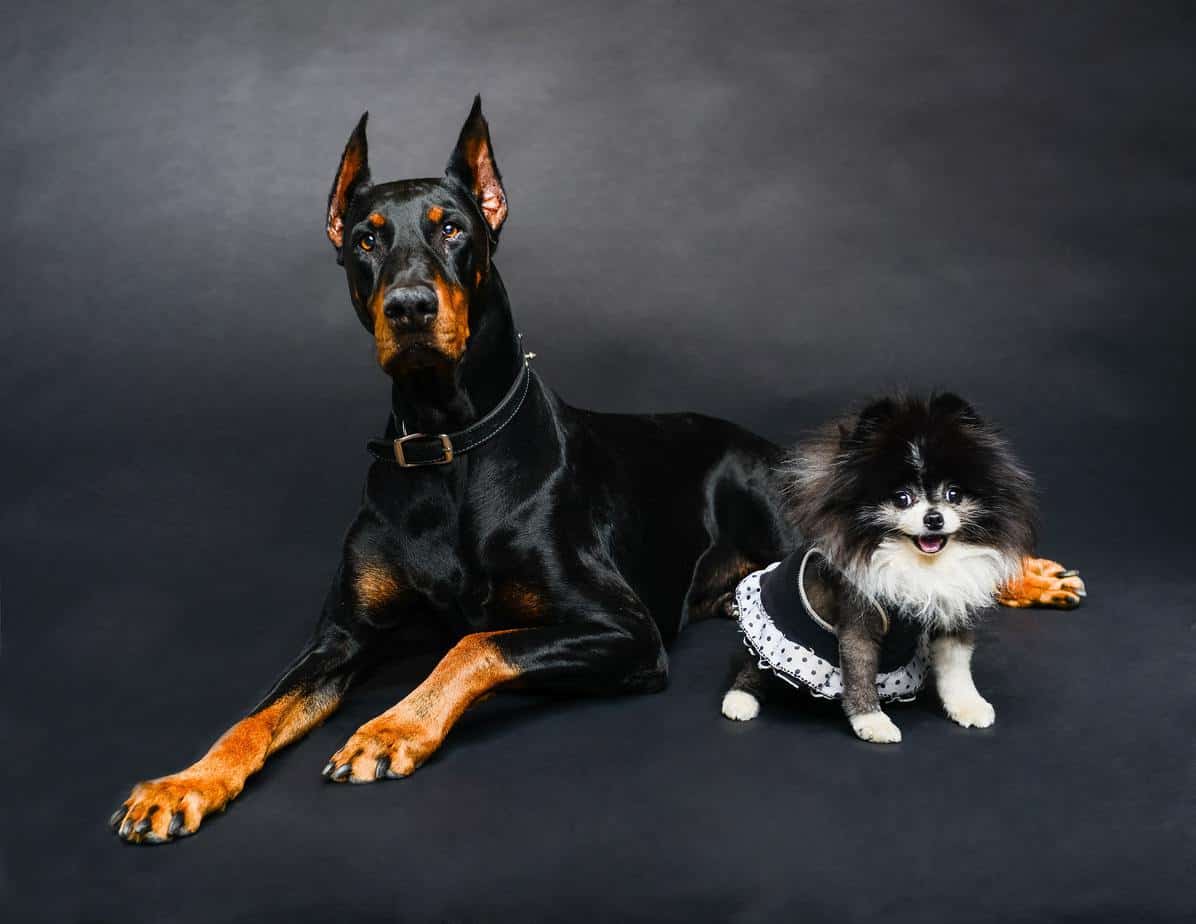
Dogs make the perfect companions, but which are the most popular — small or big dogs? A 2018 RightPet study shows large cuddle buddies are more popular.
Here are a few quick facts about the study:
- Conducted online between 2010 and 2018
- Surveyed dog breed reviews from 12,167 pet owners
- Pet owners were from 106 countries
- 75% of the reviews were of purebred dogs
- 25% were mixed breeds
And here’s what the study found:
- Most people are happier owning big dogs rather than small dogs
- Men and younger people prefer big dogs the most
- Older people (around age 70) are equally satisfied with any size dog
- People who own multiple dogs of different sizes prefer large dogs.
Now, on to what you want to know. Why are larger dogs the chosen ones? It could be because big dog breeds are often the calmest and make excellent companion dogs.
If you’re considering buying or adopting a dog in the future, here are some things to consider.
More emotionally stable
Yep, that’s right; big dog breeds are more emotionally stable. And often, dogs become your comforter when you need them. They make the best cuddle buddies and love to sleep in the bed with you.
Just make sure your sleeping conditions are up to par.
Child-friendly
Large dogs have huge hearts. They love to love.
Overall, larger dogs tolerate rough play and yelling better, too.
Large dogs make an excellent choice for families. A dog can be a kid’s best friend.
Big dog breeds are trainable
We all know training is critical. Everyone wants a well-behaved dog.
You can teach them to play with you, protect you, and straight-up love you and your family members with high-value treats like Wüfers dog cookie boxes.
Large dogs tend to bond with their owners quickly and are easy to train.
Although some breeds are easier to train, larger dogs tend to be more compliant than small dogs. Large dogs also make excellent guard dogs.
Less barky than small dogs
Little barky dogs are the absolute worst. No one wants to listen to yapping throughout dinner.
Barking is one of the significant turn-offs; luckily, there’s no such thing as “big dog syndrome.”
Don’t get us wrong, little dogs, without a doubt, deserve love too. Brett Hodges, the owner/editor of RightPet, sums it up, “People don’t prefer large dogs per se — they like them because, in general, they’re more even-tempered, trainable, and quiet than small dogs — making them ‘best in-home.'”

Popular big dogs
Golden Retriever
The Golden Retriever is intelligent, loyal, and eager to please. Although the dogs are big and have lots of energy, they are easy to train and ideal for first-time owners.
Labrador Retriever
Long one of the most popular dog breeds in the United States, the Labrador Retriever is easy-going and makes a wonderful family pet. The dogs love to please their owners, making them easy to train. Labradors love to eat but tend to gain weight, so be careful not to let your Lab gain too much weight.
German Shepherd
Known for their courage, speed, intelligence, and strength, German Shepherd dogs make ideal pets and working dogs. The loyal German Shepherd is your best choice if you’re looking for love,
Alaskan Malamute
Often confused with either the Alaskan or Siberian Husky, the Alaskan Malamute is a brilliant breed that can be a challenge to handle. They tend to be needy and sensitive and aren’t a good choice for first-time pet owners.
Bernese Mountain Dog
The Bernese Mountain Dog is known for being even-tempered and friendly. They rarely bark and aren’t known for being mean or aggressive. The Bernese Mountain Dog is especially good with children. Similarly, the Bernedoodle is also a popular choice.
Chow Chow
The Chow Chow looks like a mixture of a Chinese Shar-pei and a teddy bear. The dogs tend to be hardheaded, obstinate, and stubborn. They aren’t known for being playful or extroverted.
Great Dane
Тhе Great Dаnе is relaxed and easy-going but needs plenty of exercise. The dogs adore human companionship and are happiest spending time with their owners and families.
Irish Setter
The Irish Setter is cheerful, intelligent, and loyal. They need regular exercise to burn off excess energy and avoid destructive behavior.
Komondor
The Komondor is a large, muscular dog, easily recognized for its soft, dense coat, which falls in cord-like curls.
Komondors bond with their humans, rarely wander, and make excellent watchdogs.
Leonberger
The Leonberger is a St. Bernard and Newfoundland mix. These gigantic dogs are known for being playful and gentle. But be warned, big dogs typically weigh 90 to 160 pounds.
Saint Bernard
Saint Bernards are intelligent, gentle giants who keep their playful puppy personalities. The dogs were bred to be working dogs and can grow to be very large. Males can grow as big as 30 inches tall and 180 pounds, while females typically are smaller and weigh up to 140 pounds.
Tibetan Mastiff
The Tibetan Mastiff is an enormous dog with a booming bark. The dogs need experienced owners who can control a dominant dog. Despite their size, the dogs are agile and athletic.
Afghan Hound
The Afghan Hound is a sighthound initially bred to hunt by sight. The dogs can creep up swiftly and silently before running down their prey.
Irish Wolfhound
The Irish Wolfhound is a giant dog initially bred to hunt by sight. Despite their size, these big dogs can run down their prey by creeping up swiftly and silently.
The Great Pyrenees
These big working dogs were initially bred to herd sheep. The Great Pyrenees is a nimble-footed breed that is territorial and protective. The dogs are also nocturnal and have a keen sense of hearing.
Belgian Malinois
Originally bred as herding dogs, the Belgian Malinois is intelligent and athletic. The dogs are often used for military and police units or search and rescue operations. These active dogs can also make excellent family pets.
Anatolian Shepherd
Raided to be livestock guardians, Anatolian Shepherds make excellent guard dogs. Not only will the dogs protect their owners from harm, but they are also attuned to signs of illness. Male Anatolian Shepherds can weigh up to 140 pounds.
Rottweiler
Rottweilers can weigh up to 130 pounds and are often used as guard dogs. They are strong but are also obedient and good-natured.
Dogo Argentino
Although the Dogo Argentino is a natural hunter, these giant dogs are also playful and affectionate, which makes them loving and loyal companions.
Catahoula Leopard Dog
The Catahoula Leopard Dog is a mix of Greyhounds, Mastiffs, and Bloodhounds.
Although first used to herd and round up wild hogs, the dogs now most commonly serve as companions. These big dogs are affectionate and make loyal protectors.
Siberian Husky
The Siberian Husky is a popular family dog. The breed is affectionate and friendly, making it easy to train despite its stubbornness.
Can’t decide between a Siberian Husky and a German Shepherd, consider getting a Gerberian Shepsky, which combines the best of both breeds.
The Alaskan Husky is a mixed breed made up of Siberian Huskies, Greyhounds, German Pointers, and Malamutes. The dogs are still used as working sled dogs.

Train big dogs
Start early: Begin training as a puppy to establish good habits from the start.
Use positive reinforcement: Use treats and praise to reward good behavior, encouraging repetition.
Be consistent: Stick to the same obedience commands and rules for everyone in the household.
Keep sessions short: Limit training to 5-10 minutes to maintain focus and engagement.
Socialization: Expose your dog to various environments, people, and animals to reduce anxiety.
Leash training: Use a strong leash and harness; teach them to walk calmly by your side.
Focus on basics: Teach essential commands like sit, stay, come, and down for a solid training foundation.
Use calm body language: Convey confidence through relaxed and assertive body language.
Desensitize: Gradually expose your dog to fearful stimuli while rewarding calm behavior.
Be patient: Training takes time; celebrate small victories and adapt as needed.
Seek professional help: If challenges arise, consider a training class or a professional trainer.
Commonly asked questions
Q: Can small dogs get along with big dogs?
A: Yes, small dogs can get along with big dogs, but successful interaction largely depends on the temperament of both dogs. Proper socialization and supervision are key to fostering a positive relationship.
Q: Can you get a small dog if you already have a big dog?
A: Absolutely! Many families have both small and big dogs. The introduction process is crucial to ensure they are comfortable with each other and can cohabitate peacefully.
Q: How do you get a big dog to accept a small dog?
A: Gradual introductions are essential. Start with controlled meetings in neutral territory, using positive reinforcement for calm behavior. Allow them to sniff and observe each other, and give plenty of praise and treats.
Q: Will a big dog hurt a small dog?
A: While big dogs can unintentionally hurt small dogs due to their size and strength, most big dogs can be gentle. Close supervision is essential, especially during playtime, to ensure safety for both.
Q: Can big and small dogs play together?
A: Yes, with careful monitoring, big and small dogs can play together. Use toys or activities that are safe for both sizes and watch for signs of stress or discomfort in either dog.
Q: How do you introduce a large dog to a small dog?
A: First, ensure both dogs are leashed and in a neutral environment. Let them observe each other from a distance, then gradually reduce the space between them. Monitor their body language closely, and reward calm behavior. If necessary, keep initial interactions short and positive.

Small dog breeds compatible with big dogs
Many small breeds can get along well with large breeds when properly introduced and socialized.
Here are a few small dog breeds known for their friendly demeanor and compatibility with larger dogs:
Beagle
Beagles are friendly and sociable, making them more likely to get along with other dogs, regardless of size.
Cavalier King Charles Spaniel
The Cavalier King Charles Spaniel is affectionate and enjoy companionship, often adapting well to living with larger breeds.
Bichon Frise
Known for their cheerful and friendly nature, Bichon Frises can bond well with larger dogs.
Pug
Pugs are playful and have a charming personality that usually helps them get along well with larger dogs.
Dachshund
While they have a strong personality, many Dachshunds can be friendly and playful with larger breeds, especially if socialized from a young age.
Boston Terrier
Boston Terriers are generally friendly and adaptable, making it easier for them to coexist with big dogs.
Miniature Schnauzer
Miniature Schnauzers are energetic and can usually hold their own when playing with larger dogs, provided they are well socialized.
Final thoughts on big dogs vs. small dogs
Large dog breeds offer numerous advantages that make them ideal companions for families.
Their calm demeanor, emotional stability, and child-friendly nature create a nurturing environment for kids.
Additionally, their trainability and lower barking tendencies contribute to a more peaceful home.
Popular breeds like Golden Retrievers, Labrador Retrievers, and Great Danes not only provide love and loyalty but also thrive in family settings.
If you’re considering adding a furry friend to your household, a large dog could be the perfect choice to bring joy and companionship to your family life.
– Stephanie Annon