
Pet insurance guide: How to choose the right plan for your dog
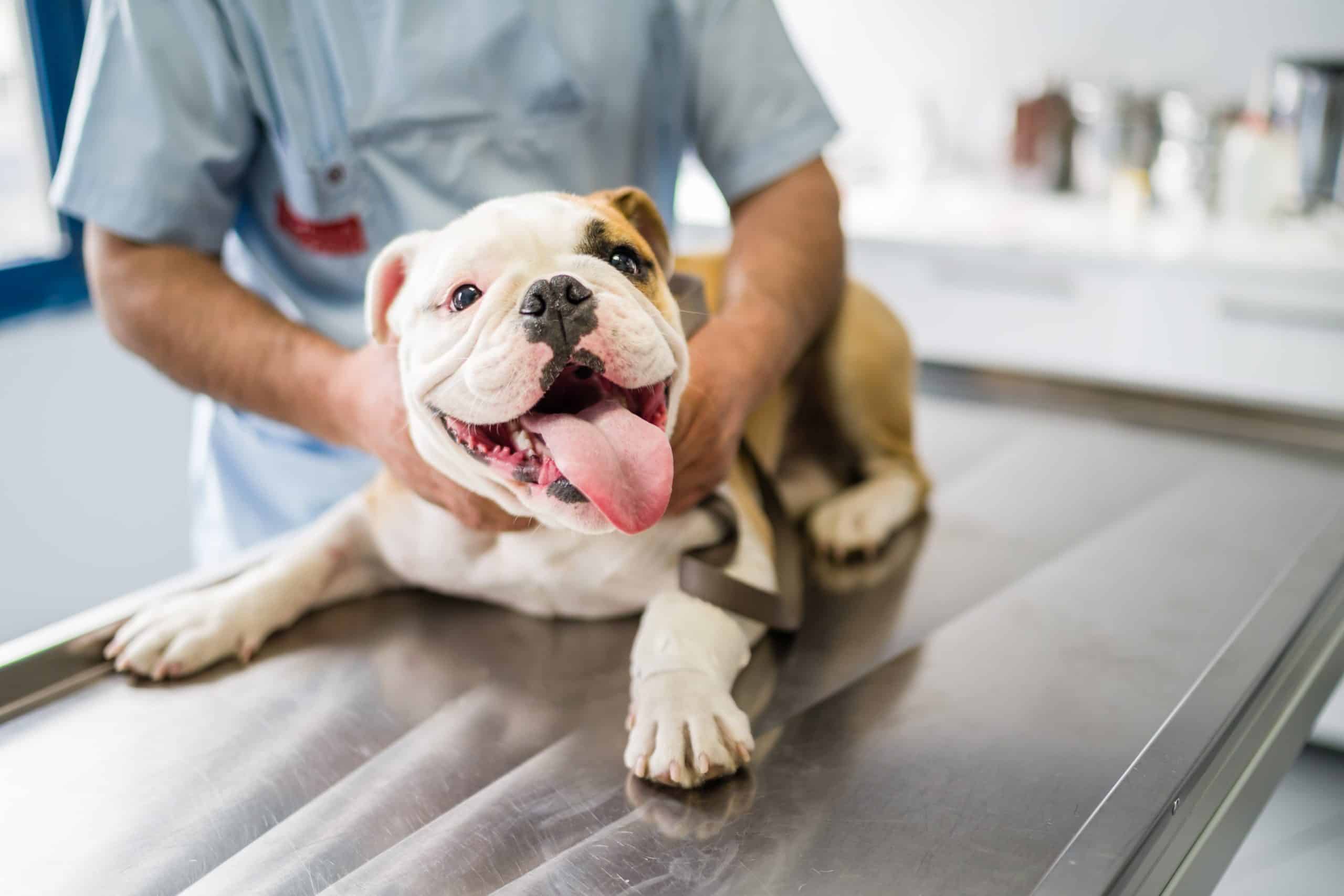
Your dog is family. So, when a surprise diagnosis or a freak accident lands you in a vet’s waiting room at midnight, the last thing you want to do is calculate what you can afford. That’s exactly where pet insurance earns its keep.
Vet costs have surged. Emergency care can easily run $1,000 to $5,000 or more, and treating a serious illness like cancer can climb past $10,000.
Pet insurance won’t stop bad things from happening, but it takes the financial sting out of them.
Just like you have health insurance, it makes sense to keep your dog covered, given how much pet insurance costs.
The pet insurance market has grown fast and changed even faster. Major new players like Spot, Pumpkin, and Lemonade have entered the space alongside established names like Figo, Embrace, and Pets Best. Prices have risen, coverage options have expanded, and wellness plans are now widely available.
Here’s what pet parents need to know before you buy.
What is pet insurance?
Pet health insurance works like a safety net. You pay a monthly premium, and when your dog needs veterinary care, the insurer reimburses a portion of the bill. Most plans reimburse 70% to 90% of covered costs, and many let you choose any licensed vet, specialist, or emergency clinic in the country.
Here’s the catch: you usually pay the vet upfront, then submit a claim for reimbursement.
It’s different from human health insurance, where the insurer often settles directly with the provider.
But the upside is big: freedom to choose your vet, no restrictive networks, and real financial relief when you need it most.
What does pet insurance cover?

Most pet insurance plans fall into three categories:
- Accident and illness (A&I): The most popular option. Covers injuries, surgeries, diagnostic tests, hospitalizations, medications, and most illnesses.
- Accident-only: A lower-cost option for generally healthy dogs. Covers broken bones, poisonings, and other unexpected injuries, but not illness.
- Wellness add-ons: Now widely available, these cover preventative care such as annual exams, vaccinations, flea/tick prevention, and dental cleanings. They’re not insurance in the traditional sense, but they help budget for predictable expenses.
Most policies don’t cover pre-existing conditions, elective procedures, or grooming.
Waiting periods typically apply. Many plans require you to wait 14 days for illness coverage, and some require 6 months for orthopedic conditions such as cruciate ligament injuries.
Always read the fine print before enrolling.
Deductibles, reimbursements, and annual limits
Three numbers drive the cost and value of any policy:
- Deductible: The amount you pay before coverage kicks in. This can be annual (one deductible per year) or per-incident (a fresh deductible for each new condition). Annual deductibles are usually simpler and often cheaper over time.
- Reimbursement rate: The percentage the insurer pays after your deductible. Common options are 70%, 80%, and 90%. Higher reimbursement means higher premiums.
- Annual limit: The maximum the insurer will pay each year. This can range from $5,000 to unlimited. A policy with no annual limit offers the most protection for serious, ongoing conditions.
The sweet spot for most dog owners: a $250 to $500 annual deductible, 80% to 90% reimbursement, and an annual limit of at least $10,000.
How much does pet insurance cost?
According to the North American Pet Health Insurance Association, the average monthly premium for dog insurance is around $62 for accident-and-illness coverage and about $17 for accident-only plans. That works out to roughly $672 to $744 per year for full coverage.
But those are averages. Your actual premium depends on:
- Your dog’s breed (purebreds with known health issues cost more)
- Your dog’s age (older dogs cost more to insure)
- Your location (urban areas tend to have higher vet costs and higher premiums)
- Your deductible and reimbursement choices
Budget options like Lemonade and Figo can run $30 to $50 per month for a young, healthy mixed-breed dog. Comprehensive plans for a senior purebred in a high-cost city can top $150 per month.
Pet insurance providers worth knowing
The market is crowded, so here’s a fast breakdown of insurance products from the major players:
Provider | Best for |
Pumpkin | Overall best-rated for dogs. Covers exam fees, dental illness, behavioral issues, and Rx food in the base plan. Strong wellness add-ons. |
Spot | Policy customization. No upper age limit, accident-only option available, and multiple discounts. Good for senior dogs. |
Lemonade | Budget-conscious owners. Some of the lowest premiums available. Reimburses about 40% of medical care claims instantly. Not available in all states. |
Figo | Accident-prone dogs. Only a 1-day waiting period for accidents, 100% reimbursement option, and no upper age limit. Military discount available. |
Embrace | Owners want savings. The shrinking deductible feature rewards loyalty. Good for dogs with chronic conditions needing unlimited annual coverage. |
Pets Best | Cats and budget shoppers. Competitive low rates, three tiers of A&I coverage, and an accident-only option. |
ASPCA Pet Health | Hard-to-cover conditions. Includes behavioral disorders, telehealth, boarding fees if the owner is hospitalized, and lost pet rewards. |
Fetch | Hard-to-cover conditions. Includes behavioral disorders, telehealth, boarding fees if the owner is hospitalized, and lost pet rewards. |
Always compare quotes from at least three providers. Premiums vary widely for the same coverage, and the best provider for a Labrador in Dallas isn’t necessarily the best for a French Bulldog in Boston.
How pet insurance works with your vet
Most pet insurance companies operate on a reimbursement model: you pay the full vet bill upfront, then submit a claim to your insurer for reimbursement.
Some providers offer direct billing to the vet, but this is rare in the U.S. Before an emergency happens, ask your vet’s office how they handle insurance paperwork and claims.
Many clinics are happy to provide itemized invoices and help you with claim forms.
It’s also smart to discuss your policy’s coverage with your vet so they can help you understand which treatments are likely to be covered and avoid surprises.
The pre-existing condition problem
Almost every pet insurance policy excludes pre-existing conditions. That means any illness, injury, or symptom your dog had before enrollment won’t be covered.
Why does this matter so much? Because it means the best time to enroll is before your dog gets sick. Waiting until there’s a problem can lock you out of coverage for the exact thing you’re trying to insure against.
That’s why insuring puppies when your pet’s health is a blank slate is your best bet.
Some insurers distinguish between curable and incurable pre-existing conditions. A dog that had a urinary infection two years ago might still be covered for urinary conditions if there’s been no recurrence. Others are stricter. Ask specifically about this when you get a quote.
Should you add a wellness plan?
Wellness add-ons cover routine care like annual exams, vaccines, flea and tick prevention, and heartworm testing. They’re not true insurance; they’re more like a prepaid care budget.
Whether they’re worth it depends on math. Add up what you typically spend on routine care each year, then compare that to the wellness add-on premium. If the coverage roughly matches your real expenses, it’s worth adding for the convenience alone. If your dog is already up to date and healthy, you may come out ahead skipping it.
Pumpkin’s Preventive Essentials is one of the better-designed wellness programs, reimbursing 100% for a wellness exam, key vaccines, and parasite screenings each year. Figo, Spot, and Lemonade all offer wellness tiers at varying prices.
Tips for choosing the right plan
Shopping for pet insurance isn’t complicated, but it requires a little homework. Here’s where to focus:
- Enroll early. The younger and healthier your dog is at enrollment, the lower your premiums and the fewer exclusions you’ll face.
- Pick annual deductibles over per-incident ones. If your dog is diagnosed with a chronic condition, a per-incident deductible means you’ll pay that amount every year for the same problem.
- Watch the annual limit. A $5,000 annual cap sounds like a lot until your dog needs spinal surgery. Choose the highest limit your budget allows.
- Check waiting periods carefully. A 6-month wait for orthopedic conditions is common. If your dog is already showing signs of joint issues, it may be too late to get that coverage.
- Look for exam fee coverage. Vet exam fees are baked into nearly every bill. Some plans include them; others charge extra. Pumpkin includes them automatically. Figo and Lemonade treat them as add-ons.
- Ask about reimbursement speed. Some insurers, like Lemonade, process a large share of claims automatically within minutes. Others take weeks. If cash flow is a concern, reimbursement speed matters.
Your dog’s lifestyle

Your dog’s lifestyle can affect which pet insurance plan is best.
Highly active dogs, or those that participate in sports, may benefit from more comprehensive accident coverage.
Dogs that travel frequently or accompany you on outdoor adventures might need plans with higher annual limits or broader geographic coverage.
City dogs may face different risks (think: dog park injuries) than rural dogs (such as snake bites and farm accidents).
Consider your dog’s routine and environment when comparing plans.
Pitfalls to avoid
Even savvy shoppers can be tripped up by the fine print of pet insurance.
Watch for policies with hidden annual or per-condition caps that limit your reimbursement when you need it most. Be wary of confusing exclusions, anything from breed-specific illnesses to alternative therapies, that may leave significant coverage gaps.
And beware of wellness plans that sound like great deals but only cover routine care at a much higher cost than paying out of pocket.
Read sample policies closely before committing, and always ask the insurer to clarify anything unclear.
Glossary of key terms
Deductible: The amount you must pay out-of-pocket before your insurance starts reimbursing claims. Can be annual or per-incident.
Reimbursement: The percentage of covered costs your insurer pays after the deductible (e.g., 80%).
Waiting period: The time after enrollment that must pass before coverage begins. Illnesses and some injuries are not covered until this period ends.
Annual limit: The maximum amount your insurer will pay in a policy year. Plans with no annual limit offer the most comprehensive protection.
Use this glossary as a quick reference for the most important insurance terms.
Updating or changing plans
Your dog’s needs will change over time, so should your insurance.
Review your policy each year, especially if your dog develops new health issues or your financial situation shifts.
Don’t hesitate to shop around: switching providers or updating your plan can save money or improve your coverage.
Just remember, switching after a diagnosis may mean new exclusions for pre-existing conditions with a new provider.
Pet insurance vs. a savings account
It’s a fair question. Some people skip insurance and set aside money each month in a dedicated pet savings account. That works fine for routine care and minor emergencies.
The problem is timing. Your dog doesn’t wait until your savings account is full before eating something toxic or blowing out a knee. A single emergency in year one can cost far more than you’ve saved. Insurance transfers that risk.
A Consumer Reports survey found that while only about a third of policyholders saved more money than they paid in premiums, roughly 67% still felt their coverage was worth it, largely because of peace of mind.
The bottom line on pet insurance
Pet insurance isn’t for every situation or every budget.
But for most dog owners, it’s the difference between making a medical decision based on what’s best for your dog and making one based on what you can afford.
The best plan is the one you can sustain month after month.
Start by getting quotes from Pumpkin, Spot, Figo, and at least one other provider.
Compare what’s actually covered, not just the headline price. Enroll before anything goes wrong.
Your dog deserves care without compromise. The right plan makes sure you can give it to them.
Their vision isn’t a limitation but a reminder: every wag, every chase, every moment is colored by a perspective uniquely their own.
Sara B. Hansen has spent 20-plus years as a professional editor and writer. She’s also the author of The Complete Guide to Cocker Spaniels. She created her dream job by launching DogsBestLife.com in 2011. Sara grew up with family dogs, and since she bought her first house, she’s had a furry companion or two to help make it a home. She shares her heart and home with Nutmeg, a Pembroke Welsh Corgi. Her previous dogs: Sydney (September 2008-April 2020), Finley (November 1993-January 2008), and Browning (May 1993-November 2007). You can reach Sara @ editor@dogsbestlife.com.