
4 top small dog breeds for people who don’t like little dogs
Every dog owner has their personal preferences when it comes to breed. One thing many believe is that bigger dogs are generally better than small dogs. Studies have shown that dog owners prefer bigger dogs to smaller ones for various reasons.
However, while big dogs might be more popular, statistics show there are more medium to large dogs in shelters, and they often spend longer there than smaller dog breeds.
That’s usually because larger dogs require more space to let them burn off energy and aren’t suited for apartment living, which is popular with many individuals.
Also, the bigger the dog, the more training you need to give it to ensure it behaves appropriately and doesn’t scare others. Bigger dogs can require physically strong handlers, especially as they age, and might need support with their mobility. Older owners might want to consider a smaller dog.
Another advantage of small dog breeds is that they typically live longer than larger dogs, allowing you to enjoy their company for a longer period. Feeding and insuring a smaller dog is usually cheaper, so you’ll save money in the long run.
While smaller dogs might be easier to care for and offer many advantages, that doesn’t change the fact that many people don’t like them. Thankfully, there are several small dog breeds with similar personalities to big dogs but without the massive size.
So, if you want to avoid the dreaded yappy dog issue but want to downsize when picking out your next pooch, check out these breeds.
Miniature Pinscher
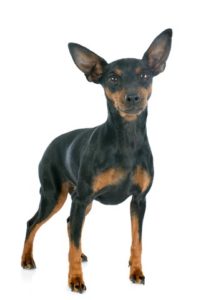
For lovers of Dobermans, the Miniature Pinscher looks like a tiny version of the much bigger guard dog.
While you might think the Miniature Pinscher is a small version of the Doberman Pinscher, they are two distinct dog breeds, despite their similar names and appearance.
The most obvious difference is their size; the Miniature Pinscher typically weighs between 8 and 12 pounds and stands about 10 to 12.5 inches tall, while the Doberman Pinscher is much larger, weighing between 60 and 100 pounds and standing about 24 to 28 inches tall.
Miniature Pinschers have a compact, sleek body with a square build.
In contrast, Dobermans have a longer, more athletic appearance, often featuring a docked tail and cropped ears compared to the Miniature Pinscher’s natural tail and ears.
When it comes to temperament, both breeds are known for their loyalty and intelligence, but they exhibit different characteristics. Miniature Pinschers are lively, energetic, and a bit more independent, while
Dobermans are recognized for their protective nature and are generally more trainable because of their eagerness to please.
Dobermans are considered easier to train due to their intelligence and responsiveness, whereas Miniature Pinschers can be more stubborn and challenging.
Historically, the Doberman Pinscher was bred in the late 19th century in Germany as a guard dog, whereas the Miniature Pinscher, often referred to as the “King of the Toys,” also originated from Germany but is an older breed.
Patterdale Terrier
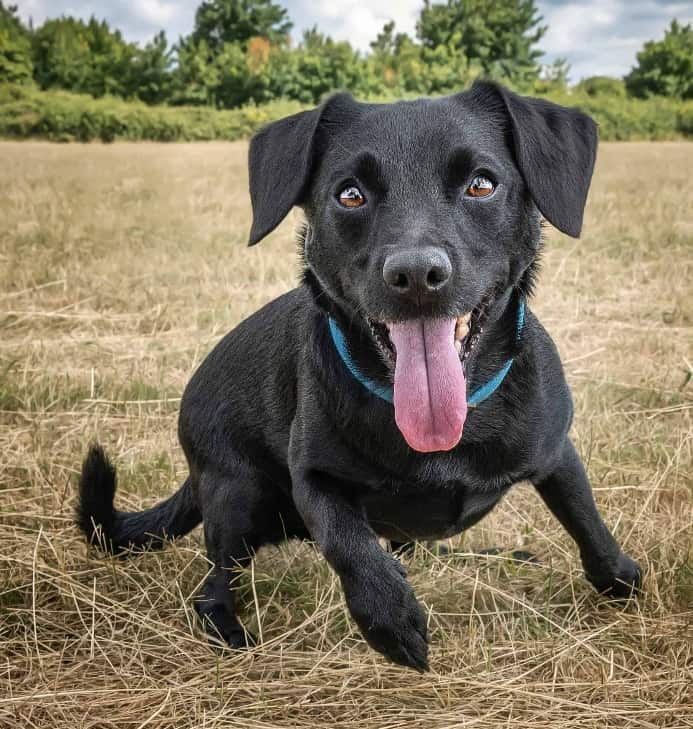
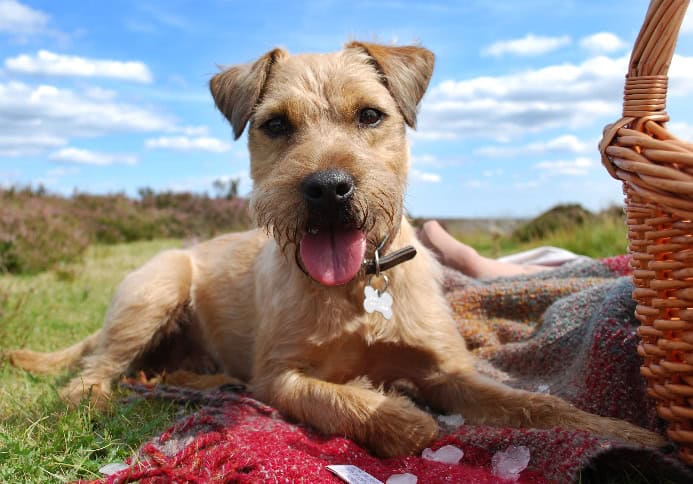
The Patterdale Terrier may be ideal if you’re seeking a working dog with a high prey drive and a strong affinity for outdoor activities.
These beautiful dogs come in black, tan, chocolate, or black and tan, so plenty of color options exist.
They’re also very loyal little dogs that love working, so they’re perfect for anyone who loves hunting and spending time outdoors.
Patterdale Terriers are lively, intelligent, and loyal dogs. They are energetic, fearless, and can be reserved with strangers, showing a strong prey drive like other Terrier breeds that may not suit homes with smaller pets.
For care, they require regular exercise, such as daily walks and playtime, to keep them fit and mentally stimulated.
Grooming is minimal, needing just a weekly brush due to their short, dense coat.
Training with positive reinforcement, along with early socialization, is essential to ensure they become well-behaved companions.
With proper care, Patterdale Terriers can thrive as delightful pets.
Boston Terrier
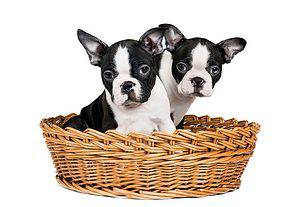
Do you love Pit Bulls but don’t want a dog of that size?
The Boston Terrier has the cute Bully face but a much smaller stature.
Sometimes known as “the American Gentleman” because they look like they’re wearing a little tuxedo, these adorable dogs are perfect for families and love kids.
Boston Terriers adore cuddles and have all the affection of a Pit Bull, alongside the high prey drive of most terriers.
As such, they’re not ideal for homes with cats or other small pets, but they do get along well with other dogs and people.
Boston Terriers are friendly, affectionate, and intelligent companions. They tend to be playful and gentle, making them great pets for families with children.
While they are sociable and eager to please, some may be stubborn, so early training and socialization are beneficial.
The dogs have moderate exercise needs, requiring daily walks and playtime to stay healthy.
Due to their short snouts, avoid vigorous activity in hot weather to prevent respiratory issues.
Grooming is easy, needing only occasional brushing, along with regular dental care and nail trimming.
Be mindful of their sensitive eyes, as they can face conditions like corneal ulcers.
With proper care, Boston Terriers make delightful and loving companions.
Chinese Crested
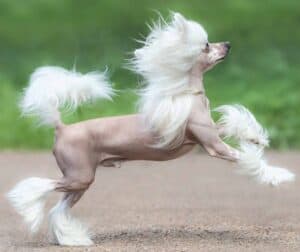
The Chinese Crested makes a statement with its hairless body and distinctive tufted ears.
In addition to being fashionable and striking, these small dogs are brilliant.
Originally used to hunt rats on ships, these unique dogs have fiery personalities that match their distinctive looks.
If you’re looking for a small dog that will turn heads and be a loyal companion, the Chinese Crested could be your ideal choice.
Chinese Cresteds are cheerful, affectionate, and playful small dogs that bond deeply with their owners.
They are social and enjoy attention, but can also be sensitive, so early socialization is essential.
Care-wise, the powderpuff variety requires regular grooming to prevent tangles, while the hairless variety needs skin care to avoid sunburn and irritations, including moisturizing and sunscreen.
They enjoy moderate exercise and can adapt well to apartment living.
Overall, the dogs thrive in loving environments with plenty of attention.
Small dog breed challenges
Owning small dog breeds can be a rewarding experience, but it also comes with its own set of challenges.
Health concerns
Small dogs are often more prone to specific health issues, including dental problems, patellar luxation, and heart conditions.
Routine veterinary check-ups and dental care become crucial to maintain their overall health.
Fragility
Due to their size, small dog breeds can be more fragile.
They may risk injury from accidental falls, rough play with larger animals or children, or even being stepped on.
Careful supervision and a safe environment are crucial in preventing accidents.
Over-protectiveness
Small dogs often have a strong protective instinct, which can lead to aggressive behavior if not managed correctly.
They may feel the need to defend their territory or family against perceived threats, causing problems with other pets or unfamiliar people.
Exercise needs
While small dogs do not require as much exercise as larger breeds, they still need regular physical activity to prevent obesity and maintain mental health.
Owners may mistakenly assume that small dogs can get sufficient exercise just by playing indoors, but daily walks and playtime are still important.
Travel challenges
Small dogs may have specific requirements when it comes to travel, especially in vehicles or on airplanes.
Owners should ensure they have appropriate carriers or restraints to keep their pets safe and comfortable during travel.
Socialize and train
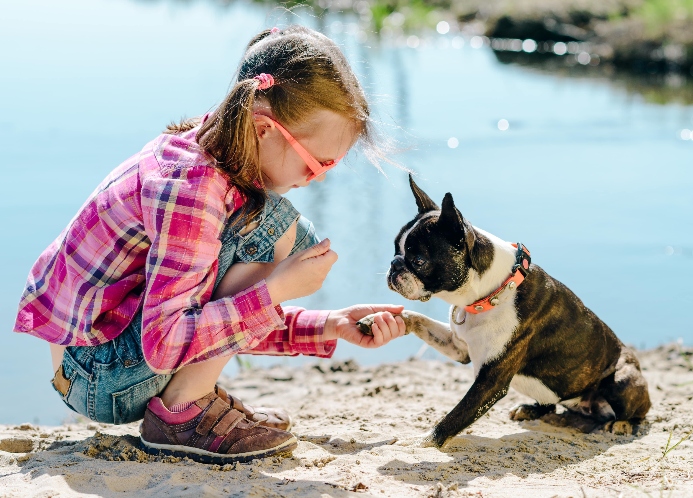
Socializing and training small dog breeds is essential for their well-being and development.
These dogs can easily become anxious or develop behavioral issues if not properly socialized.
Here are some effective strategies:
Early exposure
Expose your small dog to different environments and situations as early as possible. This includes being around other people, dogs, sounds, and surfaces.
Take them to parks, pet-friendly stores, and bustling streets. Make these experiences positive by rewarding them with treats and praise.
Controlled social interactions
Organize controlled playdates with other friendly and well-mannered dogs.
Supervise interactions to prevent overwhelming your dog.
Small dog breeds can be more sensitive, so choose playmates that are gentle and understanding.
Positive reinforcement training
Utilize positive reinforcement techniques when training. Reward your dog with treats, praise, or toys for good behavior.
This method helps build a strong bond and encourages them to repeat desirable actions.
Training sessions should be short and enjoyable, focusing on basic commands like “sit,” “stay,“ and “come.”
Group classes
Enroll your small dog in group training classes. These classes provide an ideal environment for socialization and learning. Working with a professional trainer can help address specific behavioral issues and teach
Regular outings
Incorporate regular outings into your dog’s routine. Visit dog-friendly cafes, attend pet events, or go for walks in busy areas.
This exposure helps your dog become accustomed to different sights and sounds, which can reduce fear and anxiety.
Gradual introductions
When meeting new people or dogs, introduce your small dog gradually. Allow them to observe from a distance before making closer introductions.
Constantly monitor your dog’s body language and intervene if they seem stressed.
Consistent routine
Establish a consistent training and socialization routine. Regular practice helps reinforce commands and skills.
Aim for brief, multiple training sessions throughout the day rather than lengthy ones to sustain your dog’s interest.
Socialization games
Incorporate games and interactive toys that promote social interaction and behavior. This can include fetching, tug-of-war, or puzzle toys that promote problem-solving skills and teamwork.
Monitor health and stress levels
Keep an eye on your dog’s health and stress levels. Small breeds can be sensitive and may require breaks if they become overwhelmed.
Understanding when your dog needs a rest can help polish their social skills without pushing them too hard.
What to consider when getting a small dog breed
Before you buy or adopt any dog, you need to make sure that you find a reputable breeder or a well-run shelter.
If you’re buying a puppy, a breeder might be the best option, as you’ll be able to see both parents, and rest assured that the dog won’t grow bigger than expected.
However, shelters often have purebred dogs, and you can make a massive difference in their lives.
If you’re set on getting a puppy, choose a breeder that conducts OFA health testing and genetic screening.
Inspect the conditions in which the puppies are kept and always ask to see both parents before purchasing a puppy.
By following these steps and using this guide to pick out the best small dog breed for you, you can find the perfect pocket-sized companion to join your family.