Use 10 easy hacks to protect furniture from a teething puppy

We all love the energy and playfulness that puppies bring into our lives. Their big eyes, fluffy coats, and wagging tails are hard to resist, and their carefree exuberance is contagious.
Moreover, watching them bounce around the house is a joy. They excitedly explore every tiny nook and cranny. That is, until you find them tumbling off the sofa, running headfirst into the coffee table, or toppling over an indoor plant.
Eventually, every dog parent worries, “How can I protect my puppies from furniture?”
The answer lies in dog-proofing — not only will it keep your puppies safe, but it will also pet-proof your furniture.
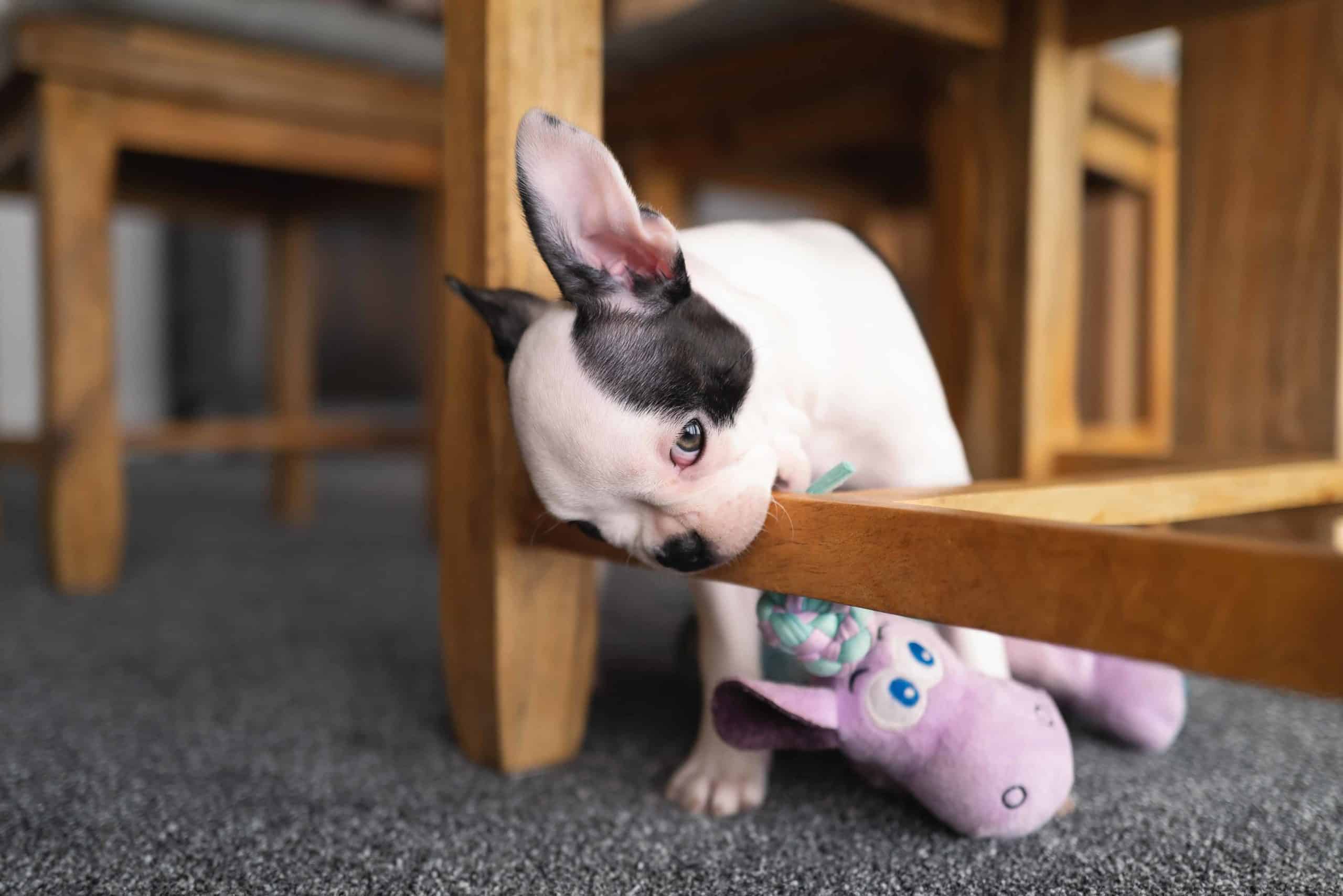
Yes, that’s right. Puppies love to gnaw on furniture, especially those undergoing teething stages, as they lose their baby teeth and their adult teeth come in.
So, how do you protect furniture from a teething puppy?
Start by understanding puppy teething stages
- Start by understanding puppy teething stages
- Can you prevent a teething puppy from chewing on furniture?
- Stop your teething puppy from chewing on furniture
- Break bad habits
- Use training to redirect your chewing puppy
- Use socialization and mental stimulation
- Products to protect furniture
- Provide vet care to teething puppies
- Mistakes to avoid
- Safety reminders
- Frequently asked questions
- Final thoughts about teething puppies
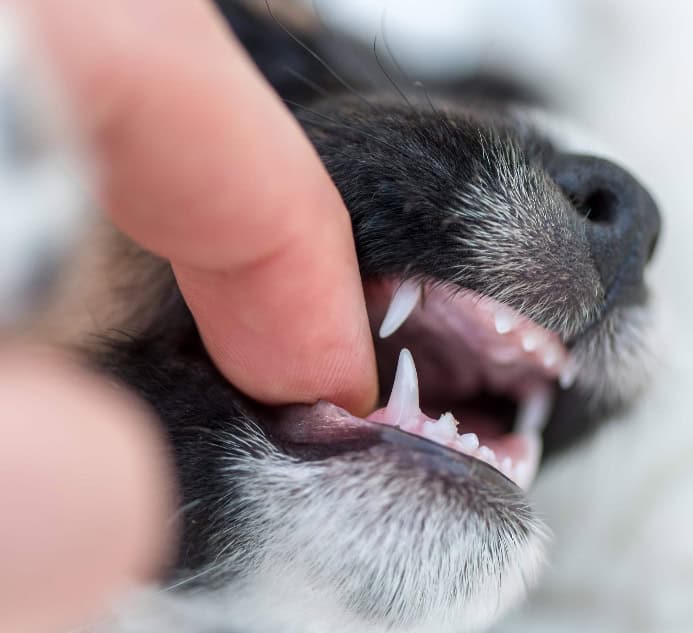
Teething is a crucial phase in a puppy’s development, typically between 3 and 6 months of age.
During this time, puppies go through several stages as their baby teeth fall out and permanent teeth emerge.
Initial stage (3 to 4 months)
The first set of baby teeth, often called deciduous teeth, begins to loosen and fall out. Puppies may show signs of discomfort during this period.
They might be more irritable than usual and may chew on various objects more frequently to relieve the pressure on their sore gums.
Mid-teething stage (4 to 5 months)
Most baby teeth will have fallen out at this stage, and adult teeth are beginning to push through. It’s common for puppies to experience increased drooling and have a strong urge to chew. You might also notice some gum swelling, especially in the areas where the adult teeth are emerging.
Final stage (5 to 6 months)
Most adult teeth should have erupted by around 6 months. As discomfort subsides, symptoms such as chewing and gnawing may decrease.
However, some minor gum sensitivity may persist as the jaw adjusts to the new teeth.
Throughout this teething process, puppy owners should be vigilant for signs of discomfort or dental issues, such as excessive whining, difficulty eating, or bleeding gums.
This is a tricky time, so providing appropriate chew toys and maintaining regular veterinary check-ups is essential for ensuring a smooth transition in dental health.
Can you prevent a teething puppy from chewing on furniture?
If you’ve recently brought home a puppy with persistent nibbles, you may ask, “How can I protect furniture from dogs chewing?” several times a day.
Well, we have good news. Though it may seem impossible to stop your dog from chewing on everything within reach, there are ways to mitigate the problem.
Before we learn how to protect furniture from a teething puppy, let’s look at some general tips regarding dogs that munch too much.
Understand your dog
Whether you have a pup, adolescent, or adult dog with a chewing problem, the first step is understanding why your pet is determined to nibble.
Here are some common reasons:
- Like babies, puppies are curious and tend to explore things with their mouths, a.k.a. mouthing.
- Puppies are always on the hunt for something to soothe their teething pains.
- Adult dogs tend to chew when they’re bored.
- For most dogs, chewing is a coping mechanism for separation anxiety, regardless of age.
- Adult dogs instinctively chew to keep their teeth clean and maintain jaw strength.
A little understanding, patience, and love from you can go a long way in curbing destructive habits.
Teach your teething puppy the right way to chew
Chewing is just a natural part of your pup’s growth process — whether it’s a pair of shoes, blankets, sofas and pillows, furniture legs, or even your fingers — nothing escapes their little jaws.
So, punishing or training your puppy against chewing will be counterproductive. Not only will you damage your relationship with your pet, but you’ll also make teething puppies more anxious, which can lead to more destructive behavior.
Teething can be painful, and chewing can help soothe puppies’ gums. Understand that puppies need to chew to relieve pain.
So, what can you do? A more practical solution is to train your dog to chew appropriately.
Here’s how:
Change begins with you
Take responsibility for your belongings — you are the adult in this situation, and your dog doesn’t know better; you do.
You cannot fault your little dog for chewing on things you’ve left around.
If you don’t want to find your favorite pair of shoes in tatters, you should probably put them out of reach, in a shoe cupboard!
Simply speaking, everything that your puppy can access is fair game. To avoid the situation,
- Clear the floor
- Keep things higher up on shelves that your dog can’t access
- Close the doors of cupboards and cabinets, so your dog can’t get in
- Block areas with enticing items
Provide your dog with distinguishable chew toys
If your dog has grabbed the edge of your blanket and refuses to let go, replacing it with another older blanket or cloth will only confuse them, as they cannot tell the difference. Avoid sending your puppy mixed signals.
Instead, give them specific chew toys that don’t resemble household items so they can tell whether something is appropriate to chew on. Using chew toys helps stop inappropriate chewing.
Don’t chase your dog
Running after your dog and snatching your precious belongings before they get destroyed is a bad idea. Why? Because they’ll think you’re playing a game, which might lead them to chew quicker or force them to bite harder as you tug.
Your dog might also think you’re playing a game of chase and dodge. Aside from burning a few calories, you’ll accomplish little else.
The better way to handle the situation is to call your pet to you and offer them an alternative instead.
Set realistic expectations
As a pet owner, you must prepare for teething from the get-go.
You will be disappointed if you believe your dog is exceptionally well-behaved and can handle teething pain without ruining your things.
Our advice? Don’t wait for your pup to shred your belongings. Instead, be proactive.
Learn how to protect your furniture from your dog before they reach the teething stage.
Above all else, stay patient and calm. Eventually, your pup will become a responsible dog that doesn’t destroy your things.
Stop your teething puppy from chewing on furniture

You’ve taken everyone’s advice and done everything possible to keep the house clear of chewables.
However, if you can’t protect furniture legs from your dog’s chewing, consider alternatives to chew toys—nip the chewing in the bud, if you will.
Distract teething puppies with toys and games
The easiest way to stop your pup from doing something they’re not supposed to do is to distract them.
Whenever your dog gets their mouth on the furniture, distract them. Here are a few ideas:
- Get their favorite toy out and make them chase you around to take it.
- Play a game of fetch.
- Take them out for a walk.
Essentially, you have to distract your teething puppy from the discomfort of teething and get them engaged in an activity they enjoy.
Stimulation and environmental change will also do wonders for their overall health.
Who knows, they might even get their paws on a stick they like playing with more than your belongings!
Use taste deterrents
You can apply taste deterrents, like bitter apple spray, to the furniture your dog gravitates towards when it wants to nibble.
As the name suggests, the repulsive taste will prevent your dog from chewing on the area. Over time, they will learn to associate the area with a foul flavor and eventually give up on their habit.
Deterrents are also significant if you’ve wondered, “What can I put on my couch to keep my dog off?”
While several deterrents are available on the market, you could quickly whip up something at home, too. Here’s how:
- Mix 2 cups of apple cider vinegar with 1 cup of white vinegar
- Pour it into a spray bottle
- Spritz some onto the furniture, and you’re good to go.
Just remember that deterrents tend to wear off. So, you will have to reapply the deterrent to keep it effective.
Provide chew treats and toys

Teething can cause discomfort and pain, so your dog may need to chew on something to ease the discomfort. Once you’ve accepted that there’s no way around the chewing, here’s what you can try:
- Give them some delicious chewy treats to make them feel a little better. It’s also a great way to provide them with essential nutrition if teething has affected their appetite. You can also use them to deliver medication if your dog’s in too much pain.
- Try frozen rubber toys. The cold helps temporarily alleviate their pain and provides much-needed respite.
- Give them something healthy, like cold carrots.
- Offer puppy-specific toys designed to help ease chewing pain.
Start training early
Begin setting rules and boundaries, and train your pup about chewing etiquette early.
Not sure how to go about it? Consider the following:
- Teach your dog which items they’re not allowed to chew.
- Train them to stay off the sofa.
- Be firm when they chew your belongings, but do not punish them.
- Occasionally, give your puppy treats to reward good behavior.
- Have a regular teeth-cleaning routine.
- Train them about bite inhibition.
Teaching your dog the right things is always easier than unlearning bad habits.
Break bad habits
Teething can lead puppies to chew on anything they can reach, including furniture, cables, electrical cords, and shoes.
While it’s a natural part of their development, redirecting this behavior to protect your belongings is essential.
Here are specific strategies to tackle some of these issues:
Chewing on furniture
Furniture legs are often an easy target for curious puppies. To prevent this, use furniture protectors and consider applying leg covers or spray coatings to deter chewing. These protective solutions can effectively keep your furniture safe without ruining its appearance.
Ensure your puppy has access to durable chew toys that they find appealing. Look for toys made from materials that mimic the texture of furniture legs but are safe to chew.
When you catch your puppy chewing on furniture legs, immediately redirect it to its chew toy. Use a firm but gentle voice to say “no” and guide it to its designated toy.
Chewing on cables or cords
Electric cables pose a significant risk of chewing. To safeguard these items, use cable organizers or cord concealers to keep cables out of reach.
You can secure them along baseboards to make them less accessible or apply pet-safe bitter deterrent sprays on cables to discourage chewing. Most puppies dislike the taste, which can help deter them from this behavior.
Create a designated play area without cords. This can be a safe space with chew toys and comfort items, keeping them away from potentially dangerous objects.
Chewing on shoes
Shoes are tempting for puppies to chew. To curb this behavior, keep shoes in a closed closet or on elevated shelves. Out of sight means out of mind for a curious puppy.
As with furniture, it’s crucial to provide your puppy with enticing chew toys designed for them. If they seem more interested in your shoes, introduce a shoe-shaped chew toy to divert their attention.
Reward your puppy with praise or treats when it chews on dog toys instead of your shoes. This positive reinforcement encourages the puppy to make better choices.
Use training to redirect your chewing puppy
Puppies naturally explore their world through chewing, but it can become problematic if they focus on inappropriate items.
Here are some effective training techniques to help guide your puppy toward more appropriate chewing outlets:
Appropriate chew toys: Ensure your puppy can access safe chew toys designed for their teething stage.
Look for durable rubber toys, rope chews, and soft squeaky toys.
When your puppy chews on one of these items, praise them enthusiastically to reinforce this positive behavior.
Set up a designated chewing area: Create a safe space for your puppy to explore and chew. Fill this area with toys and interactive items.
Whenever you see your puppy chewing on an inappropriate object, gently redirect them to their designated chewing area.
Use treat-dispensing toys: These keep your puppy entertained and encourage them to chew on the toy rather than your shoes or furniture.
Fill them with treats or kibble to keep your puppy engaged. This will provide a rewarding experience as they figure out how to access the food.
Redirect with positive reinforcement: Whenever your puppy starts chewing on something inappropriate, calmly redirect them to a chew toy and reward them immediately when they comply.
This helps them learn that chewing on their toys is preferred and more rewarding than other items.
Training commands: Teach basic commands such as “leave it” or “no” to help control unwanted chewing.
Always follow up with a positive reinforcement when your puppy obeys, offering a toy or treat as a reward.
Be consistent: Make sure everyone in your home is on the same page regarding redirecting your puppy’s chewing behavior.
Use consistent commands and rewards to help your puppy understand acceptable behaviors.
Exercise and mental stimulation: Sometimes, chewing can signify boredom or excess energy.
Ensure your puppy gets plenty of physical exercise and mental stimulation through daily walks, playtime, and training sessions. A tired puppy is less likely to engage in destructive chewing.
Avoid punishment: Instead of scolding or punishing your puppy for chewing on improper items, focus on guiding them towards appropriate behaviors.
Punishment may lead to fear and anxiety, making your training efforts less effective.
Use socialization and mental stimulation

Socialization and mental stimulation are crucial components of a teething puppy’s development.
During the early months of their life, puppies are like sponges, absorbing new experiences, scents, sounds, and sights.
Proper socialization helps them grow into well-adjusted, confident adult dogs and plays a vital role in easing teething discomfort.
Socialization
Socializing your puppy means exposing them to various people, environments, and other animals.
This exposure helps them build confidence and reduces fearfulness towards unfamiliar experiences.
Interacting with other dogs, for example, can teach your puppy essential canine social skills, such as appropriate play behavior and effective communication.
Moreover, a well-socialized puppy is less likely to develop behavioral issues like aggression or anxiety, which can stem from fear of the unknown.
This is particularly important when puppies experience discomfort and irritation during teething.
A positive and supportive environment can help ease their stress and prevent them from turning to destructive chewing behaviors as a coping mechanism.
Mental stimulation
Teething puppies need mental stimulation to help keep them occupied and engaged.
Boredom can lead to unwanted chewing and other destructive behaviors, which can be especially frustrating for pet owners.
Interactive toys, puzzles, and brain games can help challenge your puppy mentally and redirect their chewing instincts.
Engaging in training sessions is another excellent way to provide mental stimulation. Teaching basic commands or fun tricks can reinforce good behavior and strengthen the bond between you and your puppy.
Short training sessions can capture their attention and keep them focused, providing mental exercise and a sense of accomplishment.
Products to protect furniture
To protect your furniture from a teething puppy, investing in the right products can make all the difference.
Here are some specific recommendations that can help you keep your home intact while also catering to your puppy’s needs:
Chew toys
KONG Classic Dog Toy: This durable rubber toy can be filled with treats or peanut butter, making it enticing for your puppy to chew on instead of your furniture. Its unpredictable bounce also adds an element of fun during playtime.
Nylabone Puppy Chew Toy: Designed for teething puppies, this toy helps promote healthy chewing habits. The different textures can massage their gums and provide relief during uncomfortable teething phases.
Furniture protectors
Couch covers: To protect fabric or leather furniture, consider investing in a waterproof, washable cover. Brands like SureFit or Stretch Sensation offer products that fit various furniture sizes and are durable enough to withstand the wear and tear of puppies.
Furniture corner guards: These silicone or plastic guards can be applied to the corners of coffee tables and other wooden furniture to protect them from puppy bites. Look for adhesive-backed options that are easy to install and remove from wood furniture.
Deterrent sprays
Bitter apple spray: This sour-tasting spray is popular among pet owners. Spraying it on furniture, such as chair or table legs, can deter puppies from chewing because of its unpleasant taste. It’s safe for use on most surfaces, but always check compatibility first.
Nature’s Miracle No Chew Spray: Another effective deterrent, this non-toxic spray creates a bitter taste that discourages puppies from chewing on furniture and other items.
Playpens or crates
Playpen: A playpen can create a safe space for your puppy to play while keeping them away from your furniture. Look for sturdy options that are easy to set up and fold for storage.
Pet crates: When unsupervised, a crate can provide a secure environment for your puppy. Choose a size that allows your dog to stand and turn around comfortably.
Puppy-proofing solutions
Baby gates: Use baby gates to restrict access to certain areas of your home. This can keep your puppy from entering rooms with valuable furniture or expensive decor.
Cable protectors: If your puppy tends to chew on cords and cables, consider using protective sleeves or wraps.
Provide vet care to teething puppies
Regular veterinary check-ups during the teething phase of a puppy’s life are essential for several reasons.
This period, which typically occurs between three and six months of age, is not only a time of physical change as adult teeth push through, but also an opportunity to ensure your growing dog’s overall health.
Firstly, during these check-ups, your veterinarian can monitor your puppy’s dental development.
They can identify potential issues, such as misaligned teeth or retained baby teeth, which can lead to discomfort and dental problems if left unaddressed.
Early intervention can significantly impact your puppy’s long-term dental health.
Secondly, regular visits provide opportunities for vaccinations, parasite control, and general health assessments, which are crucial for a puppy’s development.
This is particularly important as teething can sometimes make puppies more susceptible to infections and other health issues due to stress.
Proper dental care during the teething phase is vital in establishing a good foundation for your puppy’s lifelong health.
Dogs require routine dental hygiene to prevent gum disease and tooth decay.
Start by introducing dental chews and toys designed to support dental health. These can help alleviate some discomfort associated with teething while promoting healthy gums and teeth.
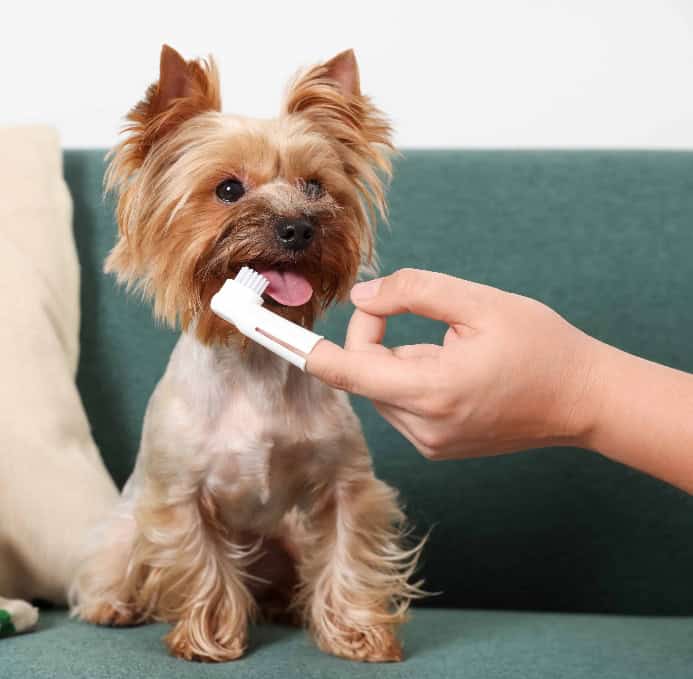
Additionally, establishing a routine of brushing your puppy’s teeth using dog-specific toothpaste can set the stage for a lifetime of good dental hygiene.
During this stage, puppies are more adaptable to new experiences, so introducing them to brushing early can make it a non-negotiable part of their care.
Mistakes to avoid

Even with the best intentions, pet parents can make mistakes that hinder their puppy’s teething journey. Here are common pitfalls to avoid:
Punishing your puppy for chewing: Chewing is natural during teething. Punishment damages your bond and increases anxiety. Instead, redirect to appropriate chew toys and reward good choices.
Using household items as chew toys: Giving your puppy old shoes or socks sends mixed signals—they can’t tell the difference between old and new items. Use distinct, puppy-specific chew toys.
Inconsistent boundaries: Allowing your puppy on furniture one day and scolding them the next creates confusion. Everyone in your household should enforce the same rules consistently.
Neglecting to puppy-proof: Leaving tempting items within reach and getting upset when your puppy chews them is unfair. Secure belongings in closets and hide cords.
Chasing your puppy: Running after your puppy turns retrieval into an exciting game. Instead, calmly call them to you and offer a trade with a treat or toy.
Using worn-out chew toys: If toys aren’t appealing, puppies seek more interesting things to chew. Rotate toys regularly and invest in a variety of textures and types.
Ignoring dental problems: Excessive drooling, bleeding gums, and difficulty eating can indicate issues beyond normal teething. Schedule a vet check-up if you notice these signs.
Skipping exercise: A bored puppy with pent-up energy will find outlets through destructive chewing. Provide adequate exercise and mental stimulation through walks, playtime, and training.
Safety reminders
While managing your puppy’s teething phase, keep these critical safety hazards in mind:
Choking hazards: Inspect chew toys regularly and replace damaged ones. Puppies can swallow small pieces of toys, foam, or fabric that break apart.
Electrical cords: Use cord protectors and apply bitter deterrent sprays to prevent electric shock or burns. Keep puppies away from areas with multiple electronics.
Toxic materials: Avoid letting puppies chew on painted surfaces, varnished furniture, or chemically treated items.
Intestinal blockages: Swallowing fabric, foam, or non-digestible materials can cause life-threatening blockages. Watch for vomiting, loss of appetite, or lethargy and seek immediate veterinary care.
Supervision is essential. Never leave your puppy alone in unsecured areas for extended periods, and always provide safe chew alternatives.
Frequently asked questions
How long does teething pain last?
Teething occurs between 3 and 6 months, with peak discomfort at 4 and 5 months. Pain subsides by 6 months once adult teeth erupt.
Is it normal for my puppy to chew furniture despite deterrents?
Yes, especially during peak teething. Deterrents wear off, so reapply regularly. Ensure your puppy has appealing chew toys and adequate exercise. Persistent chewing signals boredom or insufficient pain relief.
What are the signs my puppy is teething?
Increased drooling, frequent chewing, irritability, swollen gums, and reluctance to eat hard food. You may find small baby teeth around your home.
Can I give my puppy ice cubes for teething pain?
Yes, but monitor for choking. Frozen rubber toys designed for puppies are safer than ice cubes.
Should I be concerned if my puppy’s gums are bleeding?
Light bleeding is normal. Excessive bleeding or signs of infection (foul odor, pus, swelling) require immediate veterinary care.
How many chew toys does my puppy need?
Provide 5-7 chew toys with varying textures and types. Rotate regularly to maintain interest and prevent boredom.
When should I start brushing my puppy’s teeth?
Start during teething by gently touching their mouth and gums. Early exposure makes lifelong dental care easier. Use puppy-specific toothpaste and a soft brush.
Will my puppy stop chewing after teething ends?
Teething chewing decreases after 6 months, but dogs chew throughout their lives for dental health. Continue providing chew toys and training.
Final thoughts about teething puppies

If you ask any dog owner what they want to change about their pups, the answer will undoubtedly be teething nibbles.
Though it’s a natural part of life and we’ve learned to accept it, teaching proper teething habits remains essential, as this can persist well into adulthood.
You can protect furniture from a teething puppy in a few simple ways:
- Train a teething puppy to chew the right things — namely, their chew toys.
- Use distractions and taste deterrents to discourage them from chewing your furniture, shoes, cords, and everything else that might tempt them.
- Be patient and kind, and don’t punish them. Teething puppies are babies, and they don’t know better.
- Play an active role in making things easier for your pup. Keep things out of reach and supervise your dog as much as possible.
Now that you know how to protect furniture from dogs chewing, you’re all set to deal with a teething pup.
Enjoy the pup parenthood journey without sacrificing your favorite objects for teething puppy nibbles.
Paul Andrews has years of experience in raising cute puppies into quality dogs. He uses his expertise to help new pet parents via his blog, The Upper Pawside. An animal lover, he strives to educate others on the joy of having a pet to encourage more families to adopt a dog.