The ultimate step-by-step crate training guide that works for any dog
Step-by-step crate training guide with nighttime schedules, troubleshooting, and science-backed advice to manage whining.

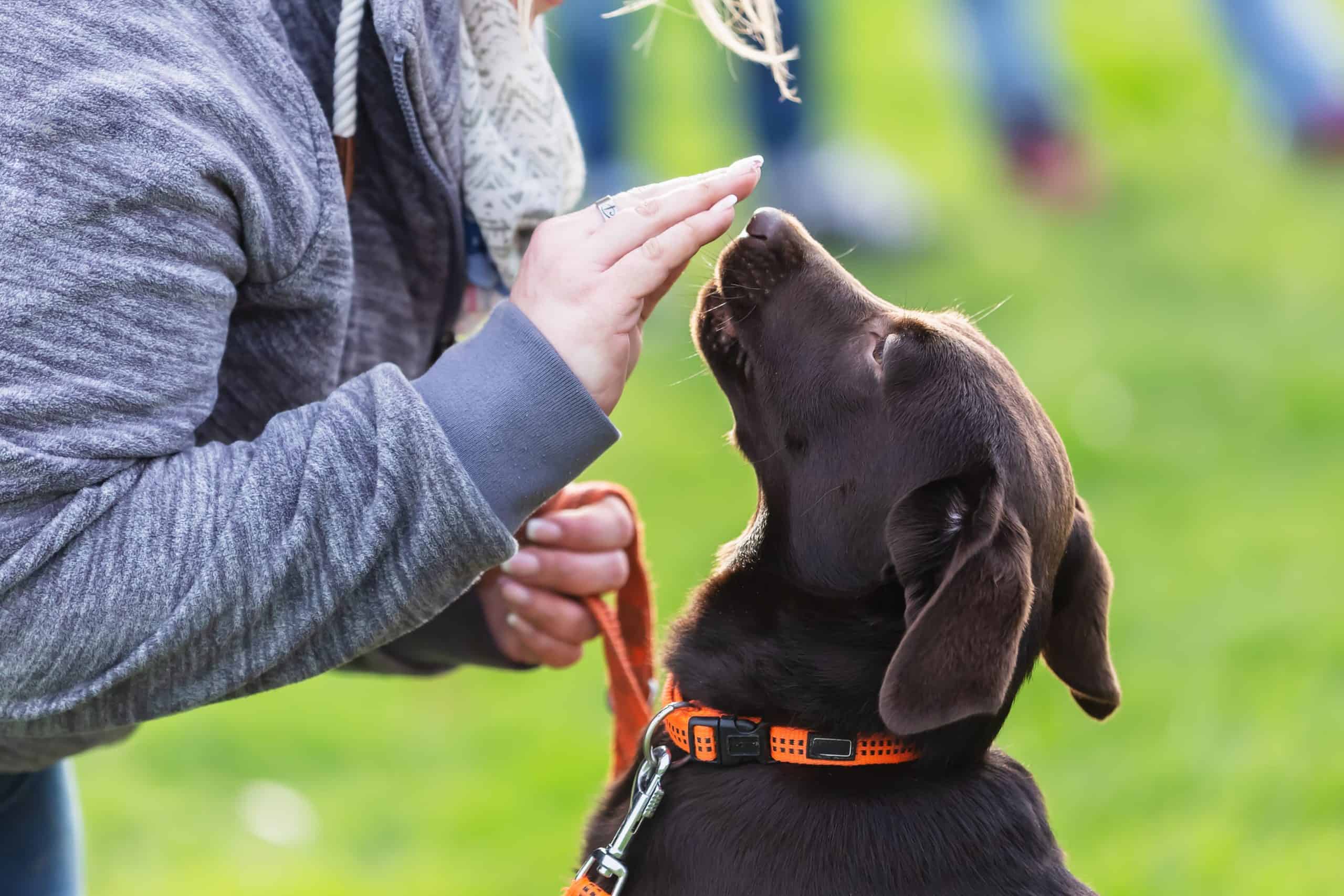
Training your dog takes time and effort. And it needs to start the day you bring your puppy or dog home.
Dog training should be a lifelong project for you and your dog. Make it fun and mix playtime with dog training.
To be successful, use these dog training tips: Be a leader, be firm, humane, and praise.
Dogs are social, pack-oriented animals who respond best to a leader figure, whether dog or human. The best pack leaders are the ones who are the most consistent. Dogs react to consistency because they know they can trust the consistent leader. Consistent leaders don’t invite the dog onto the couch one day and punish him the next when he jumps on the couch without permission.
Good leaders are firm without being harsh. A good leader tells the dog to do something. He or she doesn’t shout at the dog, plead with the dog or scream at the dog to obey. The punctuation at the end of a good leader’s command is merely a period.
Third, a good leader is compassionate. He or she doesn’t punish the dog for mistakes made by the leader.
When the dog does something praiseworthy, deliver approval immediately. A good leader does not praise unwanted behaviors, no matter how unintentional the recognition may be.
If the dog shows fear, aggressiveness, or timidity, the good leader either ignores the behavior or tells the dog to knock it off. The good leader doesn’t praise and, therefore, encourage the response by stroking the dog, telling him it’s OK, you’re a good boy, etc., while the dog is acting out.

Step-by-step crate training guide with nighttime schedules, troubleshooting, and science-backed advice to manage whining.

Puppy Training 101, a comprehensive guide for new dog owners, emphasizes bonding, socialization, and understanding your dog’s needs.

Discover the reasons dogs bark and get practical solutions to stop excessive barking, from boredom to anxiety, in this helpful guide.
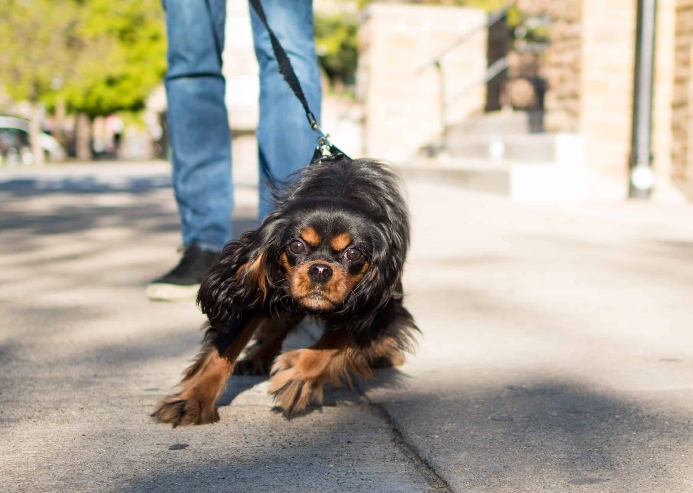
Discover successful methods to stop dog pulling on walks. Get expert tips, recommended equipment, and step-by-step training methods.

Learn what causes dog separation anxiety when you leave, how to recognize signs, and proven training and treatment options.

Recall training for dogs doesn’t have to be a battle. This guide covers foundation skills, distraction-proofing, and emergency recall.

Learn how positive reinforcement training can transform your dog’s behavior. Get step-by-step techniques that actually work.

Walked your dog for an hour and they’re still wired? Try five mental enrichment games that tire out high-energy dogs.

New rescue dog? The 3-3-3 rule breaks down 3 days of shock, 3 weeks of trust-building, and 3 months to feel at home.

Socializing adult dogs (even rescues) is possible at any age. Learn proven techniques to help your dog feel safer, calmer, and more confident.
[mc4wp_form id=”13217″]