
Want an active dog? Discover the top 11 herding dog breeds
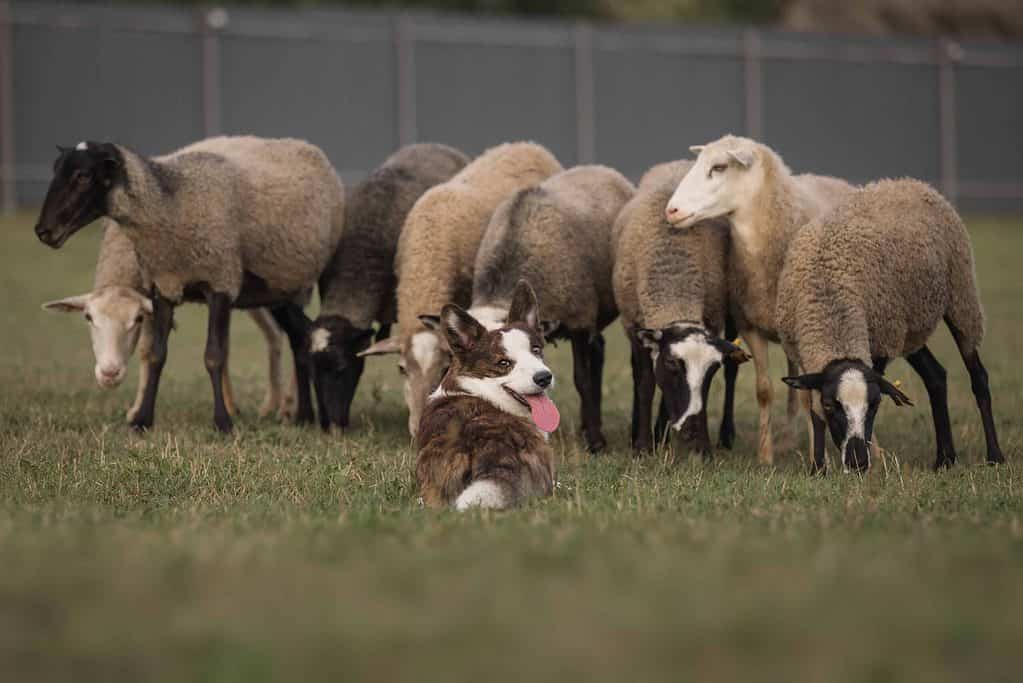
Australian Cattle Dog
- Australian Cattle Dog
- Australian Shepherd
- Bearded Collie
- Berger Picard
- Belgian Malinois
- Border Collie
- Bouvier des Flandres
- English Sheepdog
- Finnish Lapphund
- Pembroke Welsh Corgi
- Shetland Sheepdog
- Choose the right herding dog for your lifestyle
- Training tips
- Common herding dog challenges
- Final thoughts on adopting herding dogs
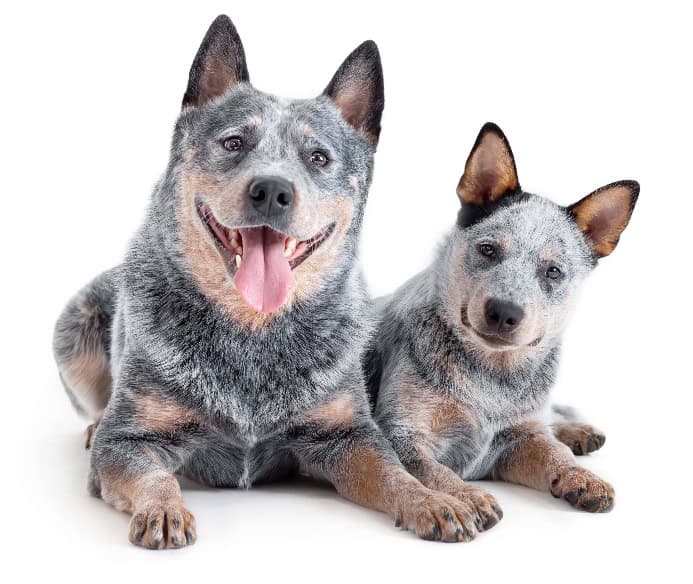
The Australian Cattle Dog was bred to withstand the harsh conditions of the Australian outback while remaining an effective cattle herder.
Personality
Australian Cattle Dogs, also referred to as Blue Heelers, are intelligent, driven, and determined dogs. They are very trainable but need firm and consistent training from an early age, as they can be willful if left unchecked.
They require plenty of daily exercise to stay happy and healthy and do their best in homes with large yards where they can run and play.
Once they bond with their owners, they are fiercely loyal and protective. They are not typically aggressive but may bark excessively if they sense a threat to their homes or families.
Health notes
Australian Cattle Dogs are generally healthy dogs with a lifespan of 13-15 years.
Some health problems seen in this breed include deafness, hip dysplasia, elbow dysplasia, osteochondritis dissecans (OCD), lens luxation, and progressive retinal atrophy (PRA).
Australian Shepherd

Australian Shepherds are medium-sized dogs with moderate fur. Despite their name, they were developed in California.
Personality
Australian Shepherds are intelligent, energetic dogs that require a lot of exercise. They are quick learners and excel at dog sports such as agility, flyball, and frisbee.
Aussies are also working dogs; many serve as assistance or guide dogs. They are loyal and protective of their families but can be suspicious of strangers.
However, with proper socialization from a young age, they can learn to get along well with everyone.
Health notes
Australian Shepherds are beautiful, intelligent dogs that make excellent companion animals. However, like all breeds of dogs, they are susceptible to specific health issues, such as hip and elbow dysplasia, epilepsy, and cataracts.
Bearded Collie
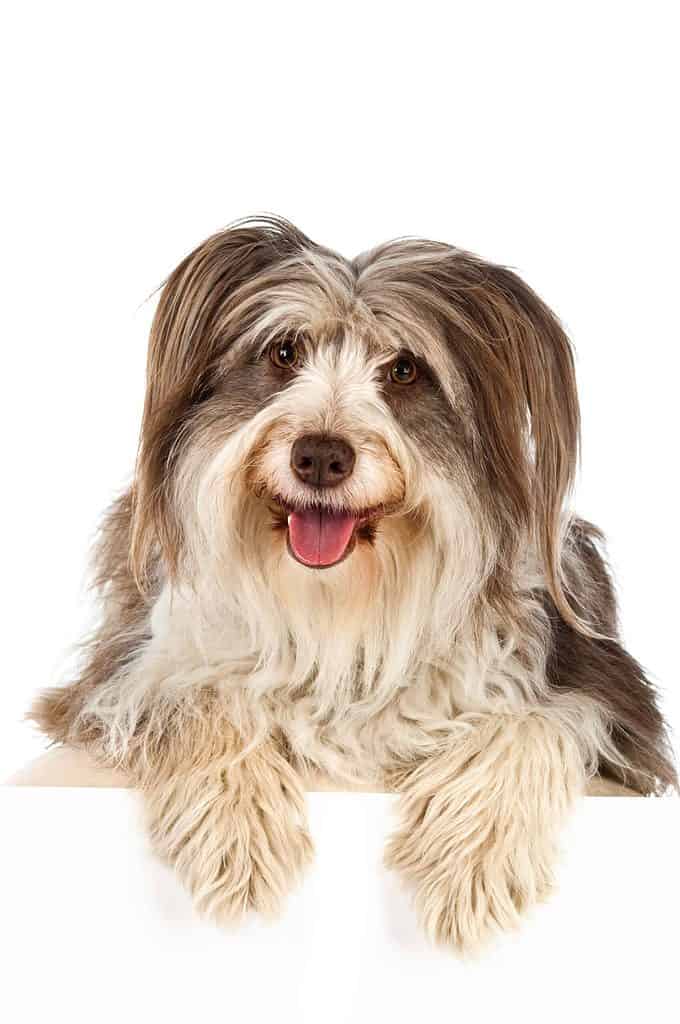
One of the most distinctive features of Bearded Collies is their coat! The outer coat is long, harsh, and shaggy, while the undercoat is dense and soft. The fur on their faces — hence the name “Beardie” — gives them a somewhat comical appearance.
Personality
Beardies are intelligent, lively dogs that thrive on human companionship and love being part of a family.
They are outgoing dogs that enjoy being around people and get along well with children and other pets.
They need a fair amount of exercise and do their best in homes with large yards where they can run and play as much as they like.
While Beardies were initially bred as working dogs, they do not have as strong a herding instinct as some breeds, such as Border Collies. However, they have a strong prey drive and should not be left unsupervised around small animals, such as rodents or birds.
Health notes
Like all breeds, the Bearded Collie is susceptible to specific health problems. However, responsible breeders will usually only breed from dogs that have been tested and cleared of these conditions.
Some health issues include hip and elbow dysplasia, Progressive Retinal Atrophy (PRA), and dry eye (Keratoconjunctivitis sicca, KCS).
Berger Picard
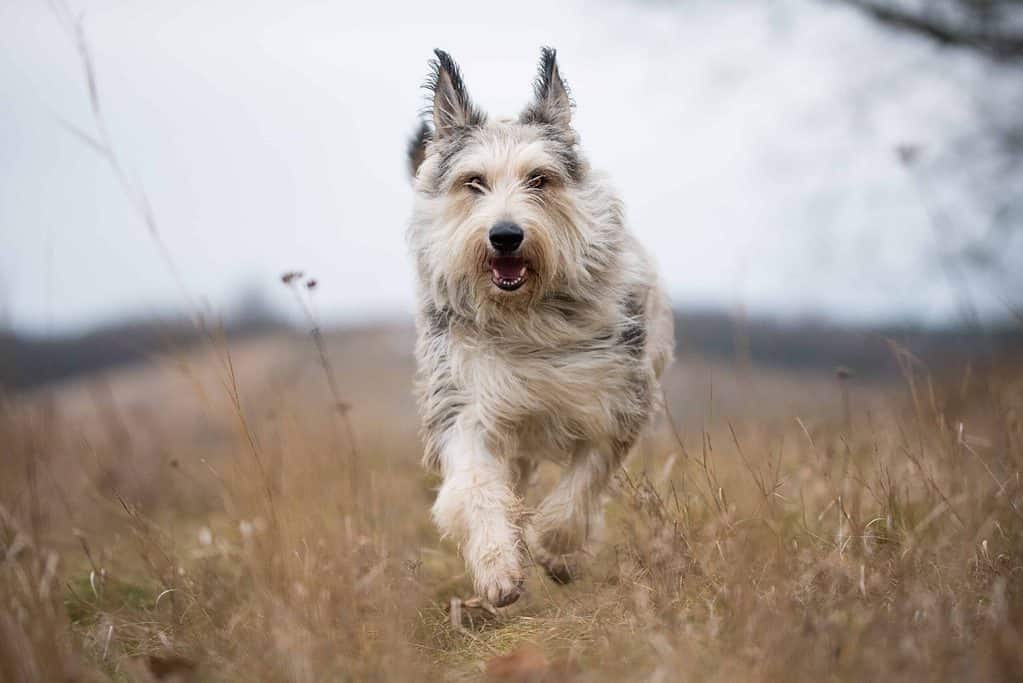
The Berger Picard is a rare breed of dog originating in France. These dogs are energetic and friendly, and they love to play.
However, they can be prone to health issues, so it’s essential to do your research before getting one. Here’s everything you need to know about the Berger Picard.
Personality
Berger Picards are intelligent, easy to train dogs. They are also loyal and affectionate with their families. However, they can be reserved around strangers and bark if they feel threatened.
Berger Picards need a lot of exercise and should be taken on long walks or runs daily. They also love to play fetch and will happily play for hours if you are willing.
They make great indoor dogs and can live in apartments or houses as long as they get enough exercise.
Health notes
Berger Picards are generally healthy dogs with an average lifespan of 11-13 years.
However, like all breeds, they can be prone to specific health problems, including hip dysplasia, elbow dysplasia, and inherited deafness.
Belgian Malinois
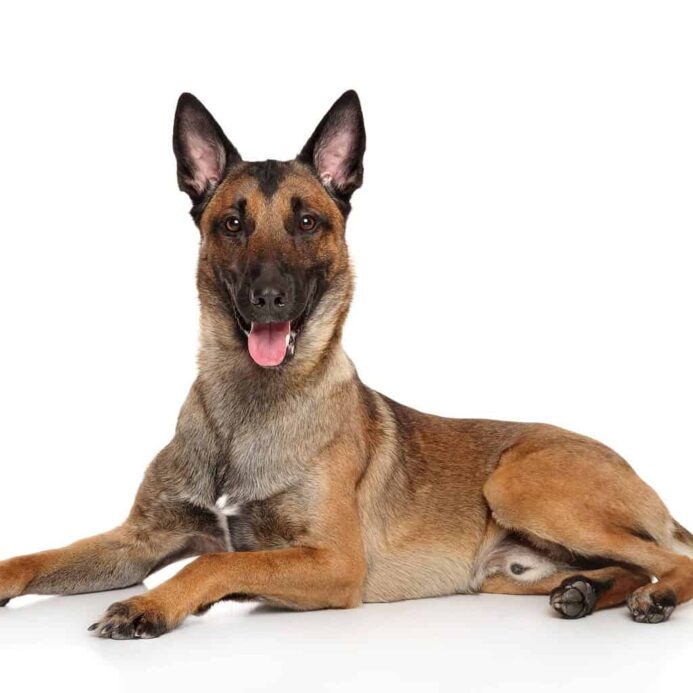
Bred initially in Belgium for herding and guard work, the Belgian Malinois has since become a popular choice for families and individuals looking for an active, loving companion.
Personality
The Belgian Malinois is an intelligent breed eager to please and quick to learn new things. They are loyal and protective of their family but can be aloof around strangers.
Belgian Malinois need plenty of mental stimulation and physical activity to stay happy and healthy; they do not do well when left alone for long periods.
Without adequate exercise, they may become destructive or start barking excessively.
Training must begin early with this breed, as they can be willful if not given structure. It is essential to be consistent, patient, and firm when training a Belgian Malinois.
Health notes
The Belgian Malinois is generally a healthy breed with an average lifespan of 10-14 years.
However, like all breeds, they are susceptible to specific health conditions such as hip dysplasia, elbow dysplasia, epilepsy, hypothyroidism, von Willebrand’s disease, eye problems, allergies, and cancer.
Border Collie

The Border Collie is a medium-sized dog that originated in the British Isles.
Originally bred as a sheep-herding dog, the Border Collie is known for its intense stare, or “sheepdog gaze,” which is used to herd sheep. Today, the Border Collie is a popular family pet and companion dog.
Personality
Border Collies are intelligent, active dogs that require a lot of exercise and stimulation.
They are quick learners and excel at obedience training and agility trials. Herding instincts and a strong work ethic are still present in many Border Collies today, even though they are no longer used exclusively for herding livestock.
Because of their high energy level, Border Collies need an active owner who can provide them with enough exercise; otherwise, they may become high-strung and destructive.
Health notes
Some of the most common health issues seen in Border Collies include hip dysplasia, epilepsy, osteochondrosis dissecans, and collie eye anomaly.
Bouvier des Flandres
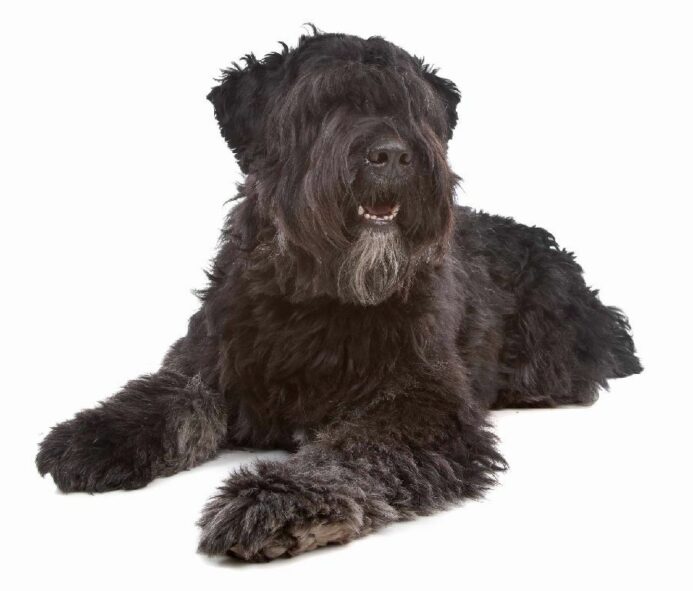
The Bouvier des Flandres is a large, rugged dog breed originally developed in Belgium for farm work and cattle herding.
Today, Bouviers are still used as working dogs in many different capacities, but they continue to grow in popularity as companion animals.
Personality
Bouviers are intelligent, active dogs that require a great deal of exercise and stimulation. They are quick learners and excel at obedience training, but they can also be willful and stubborn if not given a firm hand.
Bouviers need calm, determined, consistent handling from an experienced owner who can provide them with plenty of mental and physical activity.
Health notes
The Bouvier des Flandres is generally a healthy breed, but like all dogs, it is susceptible to specific health problems.
Some of the most common health concerns for Bouviers include hip dysplasia, elbow dysplasia, eye problems, and bloat.
English Sheepdog
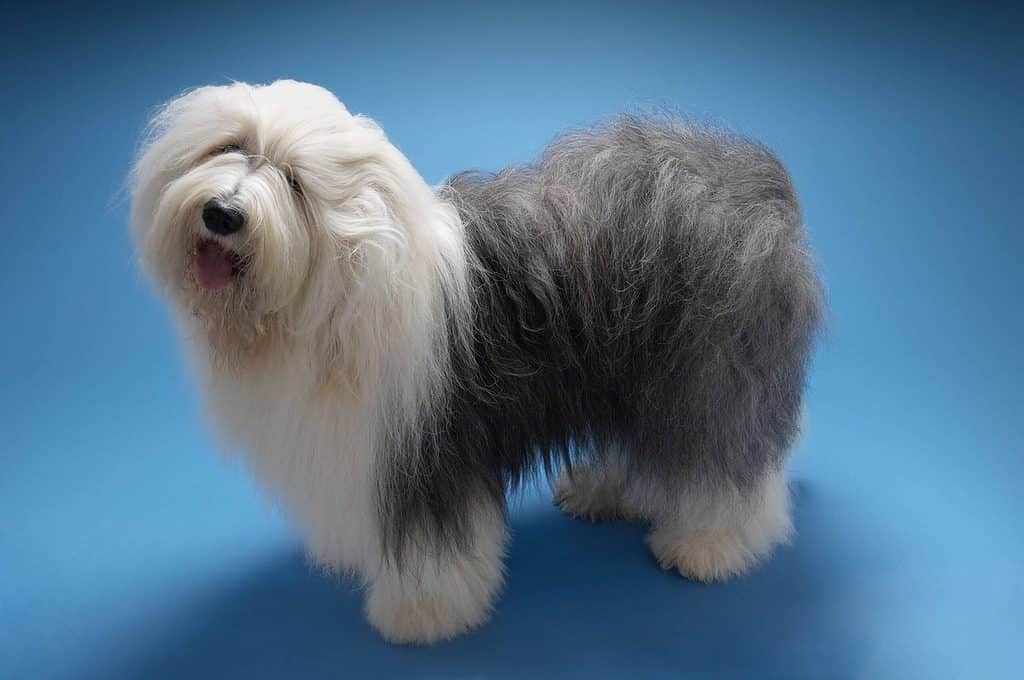
The English Sheepdog is a large, lovable breed that has been popular in the United Kingdom for centuries. Today, they are gaining popularity in the United States as well.
Personality
One word that ideally describes the English Sheepdog’s personality is “benevolent.”
These are kind-hearted, gentle giants who make great family dogs. They are also very protective of their families and are excellent watchdogs. They are not aggressive and will not attack unless they feel their families are in danger.
Because they are bred to herd sheep, they have a strong herding instinct. They may try to “herd” children by nipping at their heels.
Giving them plenty of daily exercise is essential to burn off energy and positively redirect their herding instincts.
Health notes
Unfortunately, like all breeds of dogs, the English Sheepdog is prone to specific health issues. The most common include hip dysplasia, elbow dysplasia, von Willebrand disease, and deafness.
Finnish Lapphund
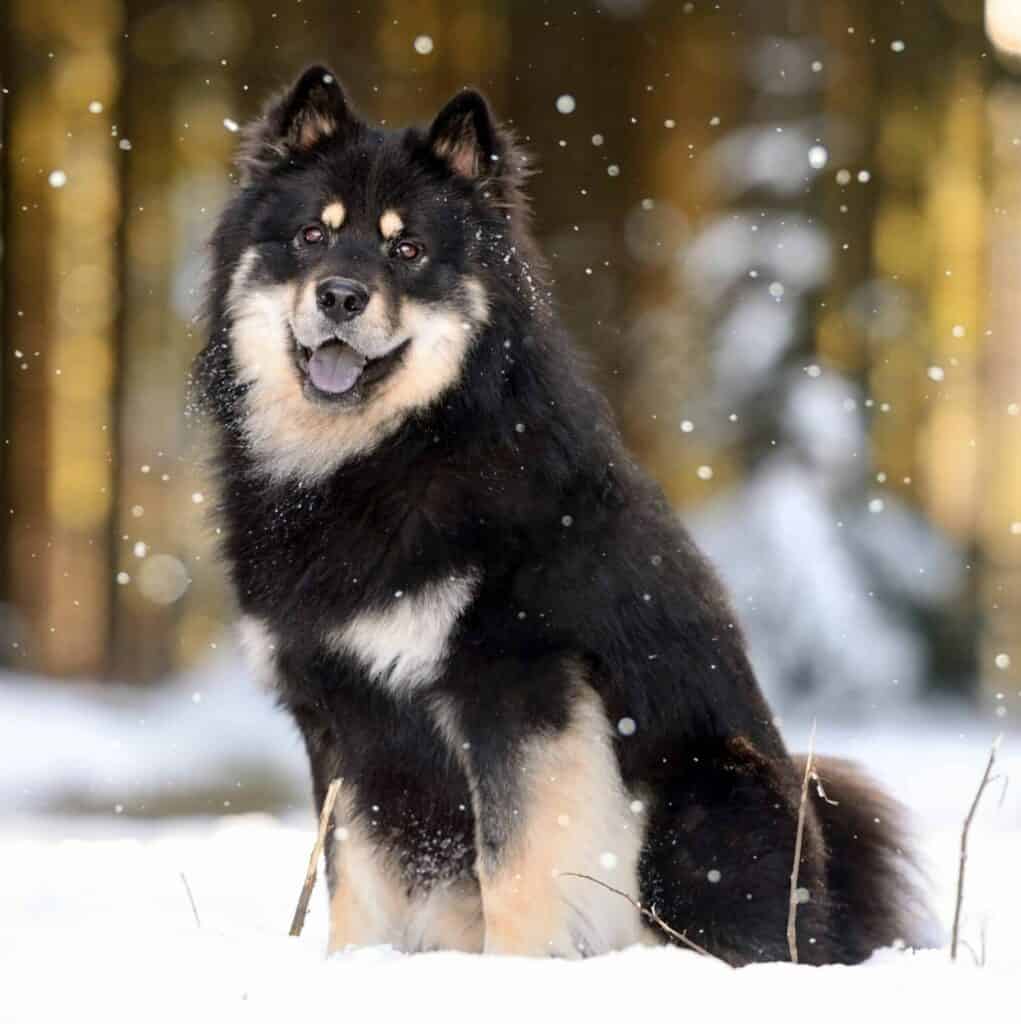
The Finnish Lapphund is a relatively new breed, established only in the 1940s.
Finnish Lapphunds were used as reindeer herders, hunters, and watchdogs. In recent years, the breed has become more popular as a companion dog and has a worldwide following.
Personality
Finnish Lapphunds are friendly dogs that enjoy being around people.
They are active and need plenty of exercise, but are just as happy cuddling up on the couch. Finnish
Lapphunds are quick learners and are very obedient. They make great family pets and get along well with children and other dogs. They are good watchdogs, but typically welcome people without being aggressive.
Health notes
Finnish Lapphunds are generally healthy dogs with no significant health concerns. Still, they can be prone to hip dysplasia and von Willebrand’s disease, a bleeding disorder that prevents their blood from clotting properly.
Pembroke Welsh Corgi

The Pembroke Welsh corgi is a cattle herding dog that originated in Pembrokeshire, Wales. The exact date of origin is unknown, but the breed is believed to date to the 1100s.
The Pembroke Welsh corgi was first brought to the United States in 1934.
Personality
The Pembroke Welsh corgi is a herding dog breed that is small in size but big in personality. They are known for being friendly and affectionate dogs.
They are also intelligent and easy to train. However, they are also very active dogs with a lot of energy. They need daily exercise to stay healthy and happy.
Health notes
Pembroke Welsh Corgis are generally healthy, but they are susceptible to specific health conditions.
Some of the most common health problems seen in Pembroke Welsh Corgis include hip dysplasia, Intervertebral Disc Disease (IVDD), von Willebrand’s Disease, and Progressive Retinal Atrophy (PRA).
Shetland Sheepdog
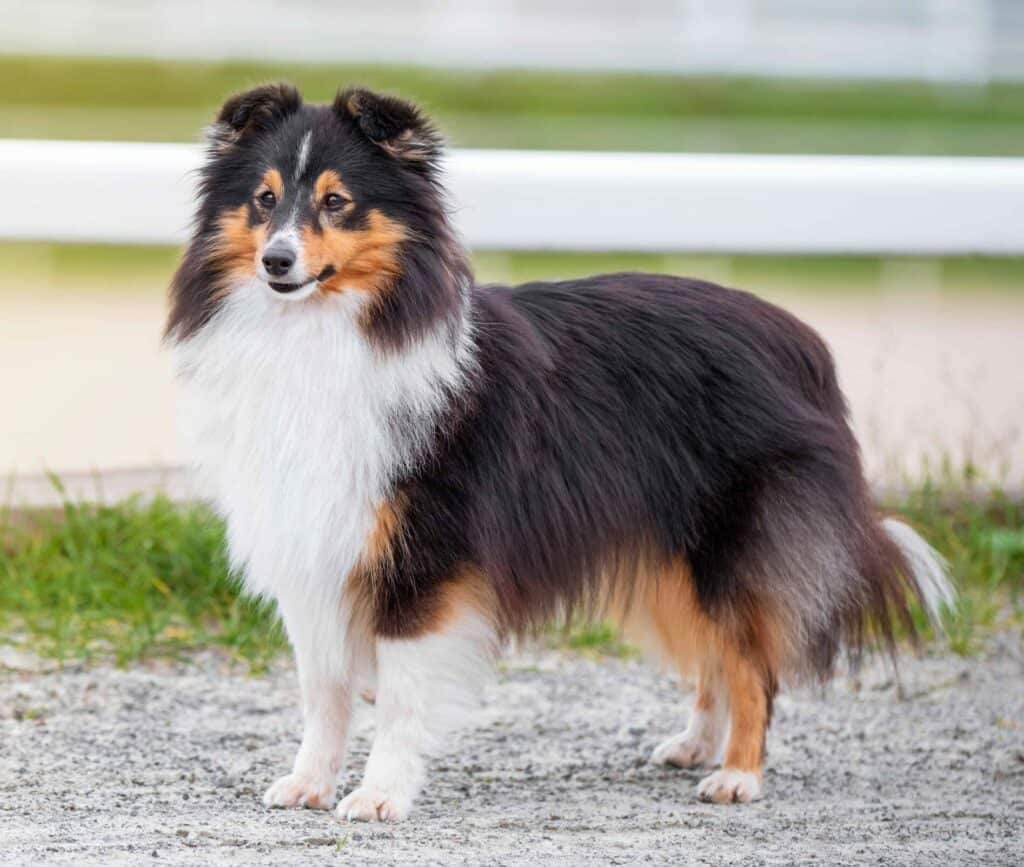
The origins of the Shetland Sheepdog are somewhat shrouded in mystery. Still, it is believed that the breed descends from various Scandinavian herding dogs brought to the Shetland Islands by Viking settlers.
These dogs were bred with local Scottish dogs, resulting in a smaller-statured dog better suited to the island’s rough terrain and scarce resources.
Personality
Shetland Sheepdogs are intelligent, loyal, hardworking dogs that make excellent companions.
They are quick learners and easily trained; they often excel in dog sports such as obedience trials and agility competitions.
Thanks to their herding heritage, they also have a strong instinct to chase moving objects — so it’s essential to provide plenty of outlets for their energy, whether daily walks or lots of interactive toys and games.
While they typically do well with children and other pets in the family, they may try to herd them from time to time!
They’re generally not well-suited for apartment living due to their high energy levels. However, with proper socialization starting at a young age, some Shelties can learn to live happily in smaller spaces.
Health notes
The average life expectancy of a Shetland Sheepdog is 12-14 years.
While this breed is generally healthy overall, there are some potential issues that owners should be aware of, such as deafness, blood clotting disorders, hip dysplasia, epilepsy, patellar luxation, and allergies.
If you’re looking for a dog that possesses an unrivaled work ethic, is intelligent beyond measure, and has endless energy, then a herding dog is perfect for you.
These impressive canines make great pets for active people looking for a four-legged friend who can keep up.
Choose the right herding dog for your lifestyle
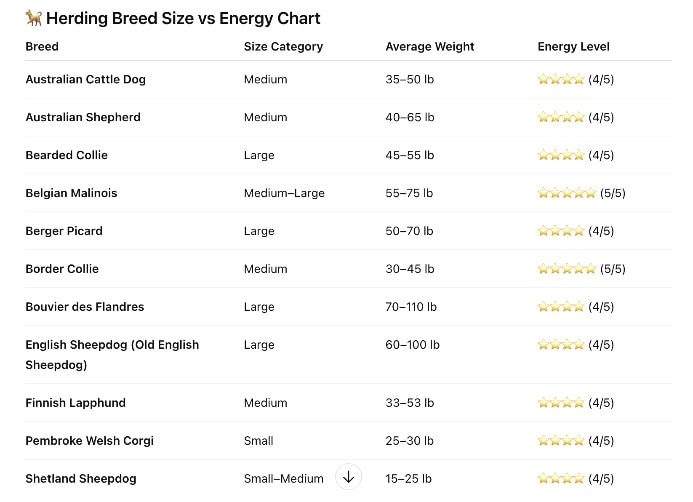
Selecting the ideal herding dog starts with an honest look at your lifestyle.
Training tips
Herding breeds are known for their sharp minds and independent streaks, making training both rewarding and sometimes challenging.
Common herding dog challenges
Herding dogs come with a unique set of challenges, often rooted in their strong working instincts.
Final thoughts on adopting herding dogs
Choosing a herding dog is a rewarding decision for active individuals and families who are ready to embrace their intelligence, energy, and unique personalities.