
Intelligent dogs: 11 breeds that are smarter than you think
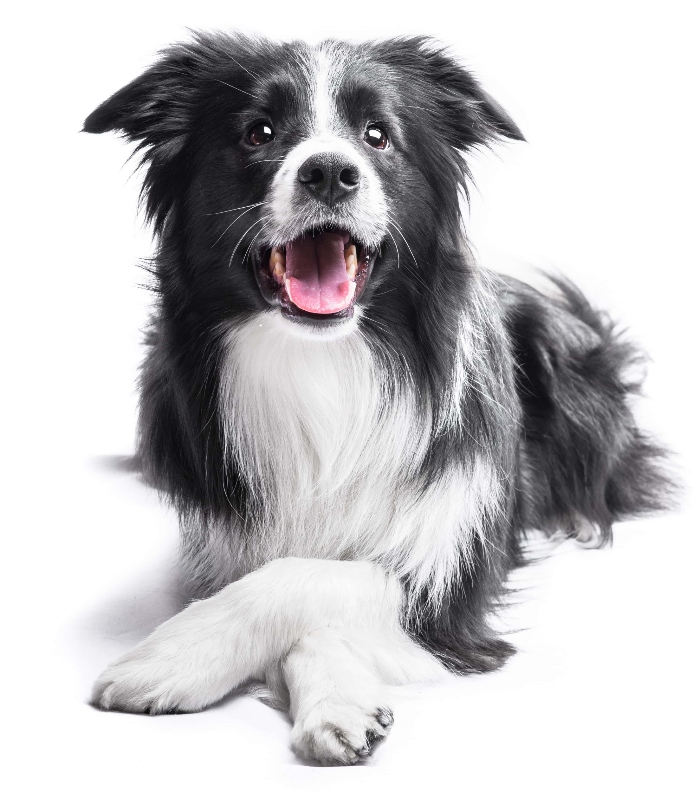
Brilliant dogs are a joy to train — and an absolute nightmare to live with if you’re not ready for them. Is yours on this list?
Intelligence in a dog is a double-edged sword. A smart dog learns commands quickly, reads your emotions, and keeps you endlessly entertained.
They also figure out how to open the fridge, unlatch the gate, manipulate you through sheer persistence, and invent their own games when bored, usually involving your couch cushions.
If you welcome a gifted breed into your life, a little preparation goes a long way: secure cabinets and trash cans, hide tempting items, invest in puzzle toys and mentally engaging games, and plan for daily training and enrichment.
These 11 breeds are extraordinarily gifted. Just know what you’re signing up for.
1. Border Collie
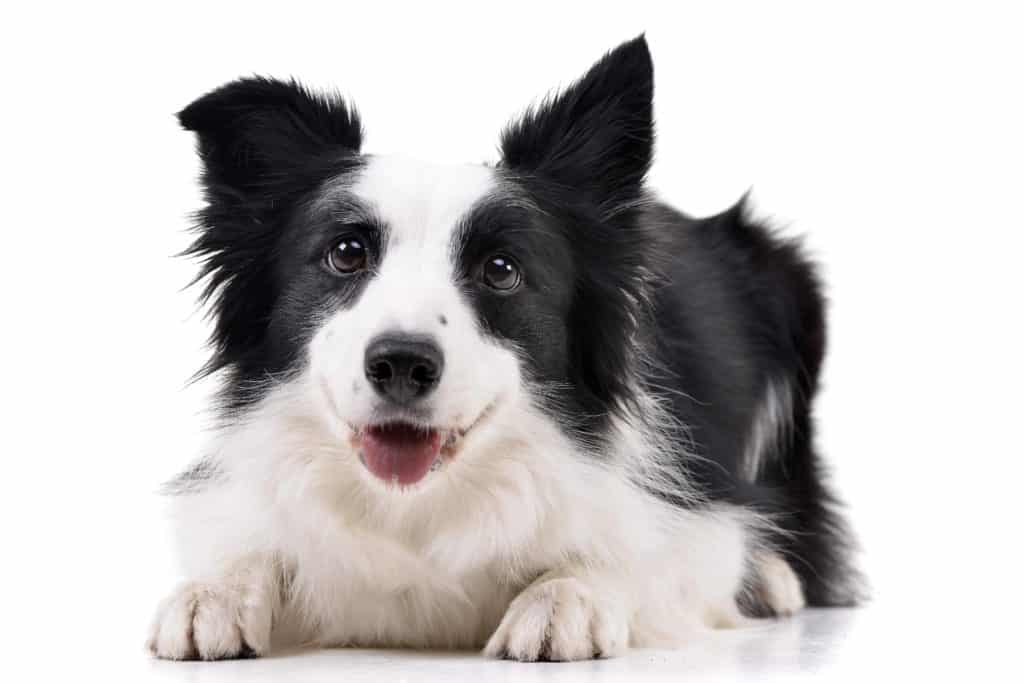
No breed on this planet combines raw intelligence with tireless drive quite like the Border Collie. Canine intelligence research regularly puts them at the top of the list — and living with one makes it obvious why.
A Border Collie doesn’t just learn a command. It learns the command, invents three variations, and then decides when to deploy them. They’re obsessive, intense, and borderline manipulative — in the most endearing way possible. They’ll herd your kids, your houseguests, and your other pets. Give them a job, or they’ll create one. That’s not a metaphor. That’s Tuesday.
They’re not the right dog for most families. Border Collies need active, experienced owners who can dedicate hours daily to exercise, mental games, and training. Without a job and regular stimulation, their intelligence can turn into frustration and mischief at home.
2. Poodle (Standard)
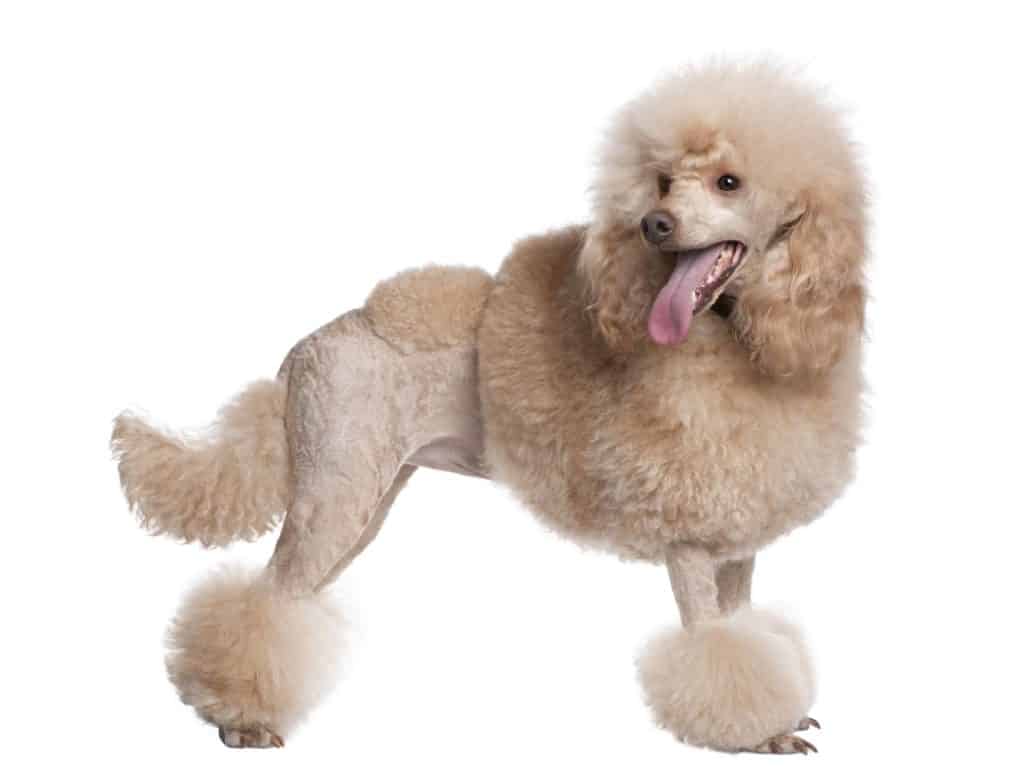
Don’t let the haircut fool you. Poodles have a reputation as pampered show dogs, but underneath all that grooming is a serious working breed with serious working-dog intelligence. Standard Poodles originated as water retrievers, built to work alongside hunters in tough conditions. That heritage never went away.
Poodles solve problems. They remember things. They figure out routines faster than you establish them, which means they often train you without you noticing.
Their emotional sensitivity is remarkable — they pick up on shifts in your mood and adjust accordingly. It’s why they excel in service and therapy work. It’s also why they can develop anxiety if their environment is chaotic or unpredictable.
Treat a Poodle like a decorative object and watch them fall apart. Treat them like the athlete they are, and they’ll reward you with one of the most loyal, responsive partnerships in the dog world.
3. German Shepherd
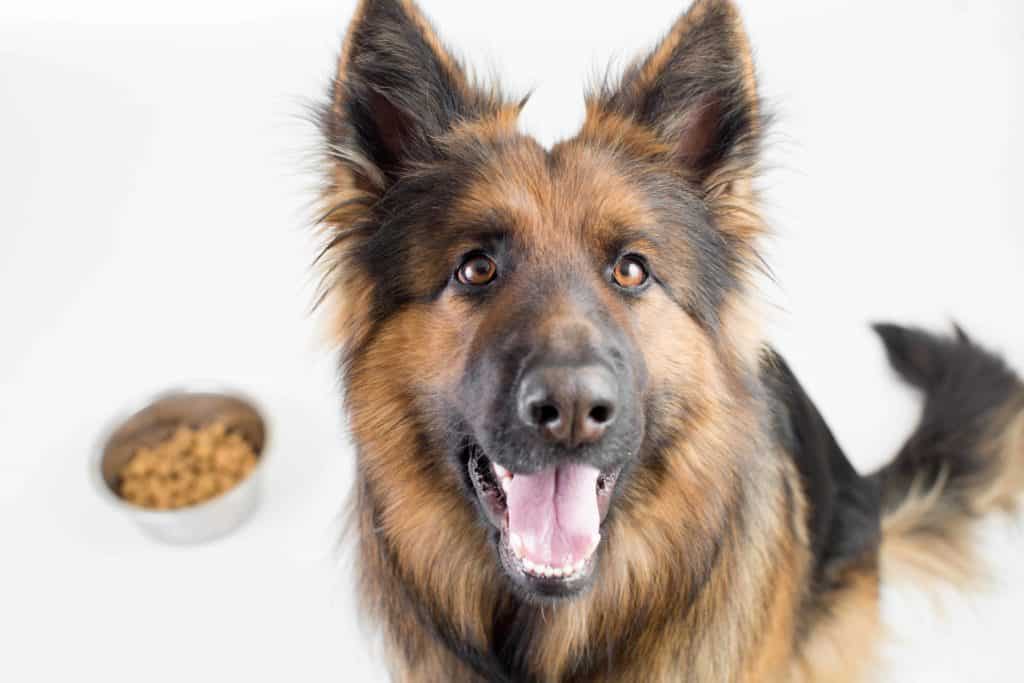
The German Shepherd is the backbone of police and military K9 work for a reason. They learn complex, multi-step tasks faster than almost any other breed.
They retain those lessons under pressure. And they do it while reading their handler’s emotional state in real time.
That emotional sensitivity is both their superpower and their Achilles’ heel.
A German Shepherd raised with consistency and confidence becomes an extraordinary partner.
One raised in an uncertain or anxious environment can develop fear-based reactivity that looks a lot like aggression — and that’s a misread that costs dogs their lives.
They need a calm, confident handler who sets clear expectations. Not harsh. Not dominant in the old-school sense. Just steady.
German Shepherds thrive on knowing what’s expected of them. Give them structure, and their loyalty runs bone-deep.
4. Belgian Malinois

Think of the Malinois as a German Shepherd turned up to eleven — faster, more athletic, and significantly less forgiving of inexperience.
They’ve become trendy in recent years, partly because of their starring roles in military and law enforcement media. That trend is causing real problems.
The Malinois is not for most households. Their energy and drive are intense. Without skilled care and a real job, they become destructive and anxious—leading many to be surrendered by owners unprepared for their demands.
If you’ve owned multiple dogs, worked with a professional trainer, and have hours each day to dedicate to exercise and mental stimulation, then maybe. Everyone else? Admire them from a distance.
If you’re new to dog ownership but want an intelligent companion, consider a Labrador Retriever or Standard Poodle. They’re smart, eager to please, and usually more forgiving of mistakes than high-drive breeds—making them great for less experienced owners.
5. Australian Shepherd
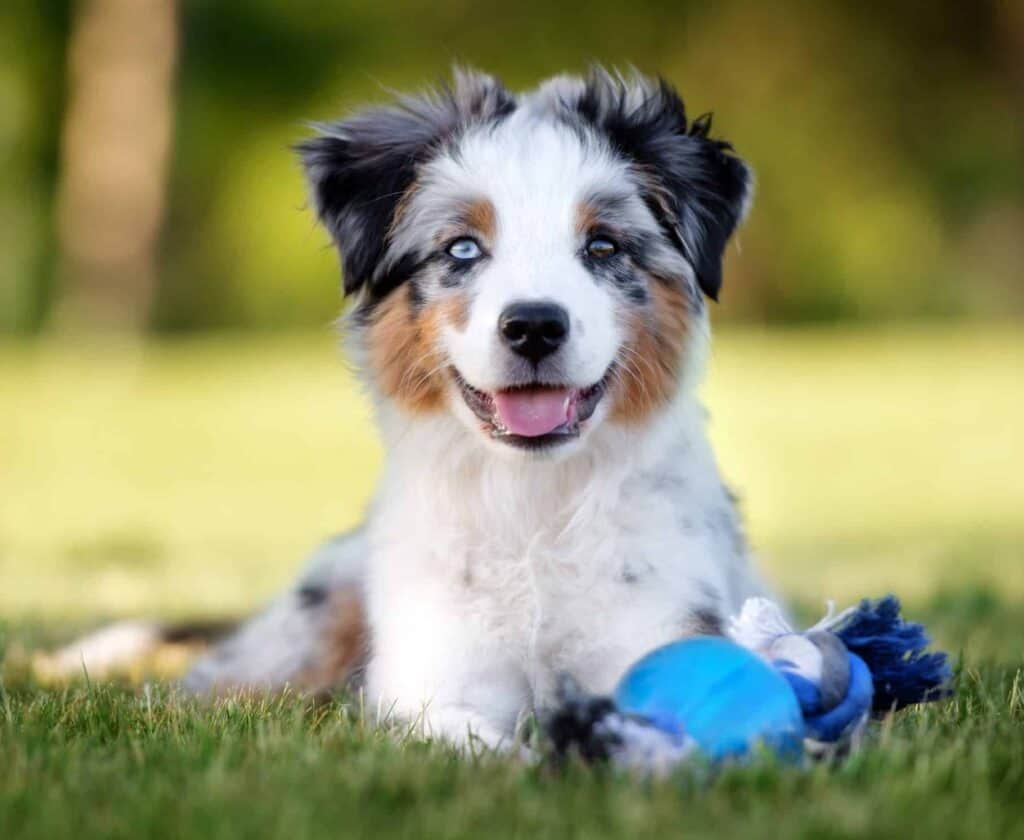
Aussies are pure working dogs — high energy, high intelligence, and a herding instinct so strong it’ll redirect onto kids, bikes, and joggers if it doesn’t have a legitimate outlet.
They’re not being bad. They’re doing exactly what thousands of years of selective breeding programmed them to do.
The good news? Channel that drive, and you’ve got one of the most capable, joyful dogs in existence.
Australian Shepherds dominate competitive dog sports — agility, flyball, disc, and herding trials. They’re happiest when they have a job and a partner who takes that job seriously.
The bad news? A bored Aussie in a backyard is a recipe for fence destruction, obsessive behaviors, and nonstop barking. They need more than a walk. They need a purpose.
6. Doberman Pinscher
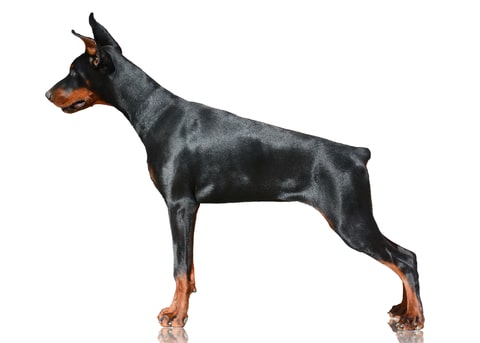
The Doberman often gets cast as the villain — all jaw and menace, zero nuance.
That’s one of the bigger misrepresentations in dog culture. Dobermans are among the most emotionally intelligent breeds, closely attuned to their people and genuinely gentle with families they trust.
They’re Velcro dogs. They want to be wherever you are, in whatever room you’re in, preferably touching you. That’s not clinginess — that’s loyalty expressed through proximity.
Their protective instincts are real and sophisticated. They evaluate situations, read context, and respond accordingly. That’s different from reactive aggression, and the distinction matters enormously.
Early socialization is non-negotiable. A well-socialized Doberman is one of the most balanced, impressive dogs you’ll ever meet. Don’t skip that work.
7. Shetland Sheepdog (Sheltie)
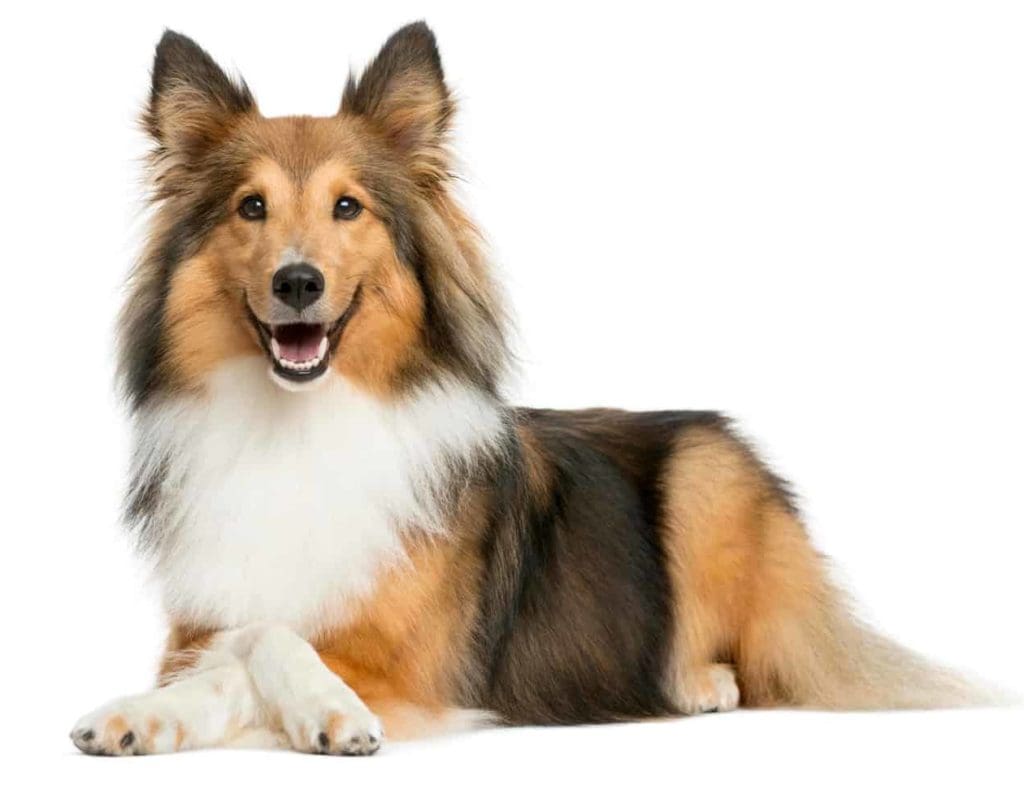
A Sheltie looks like a miniature Rough Collie. In terms of brain power, they’re anything but miniature.
Shelties are deeply intelligent, highly trainable, and absolutely dominant in competitive obedience and agility — the kind of dog that masters a new behavior in two or three repetitions and then waits impatiently for the next challenge.
That intelligence comes with a well-known tendency to bark. Shelties bark to communicate, to alert, to herd, and sometimes just because the wind changed direction. It’s not a flaw — it’s a function of how their minds work. They’re processing and responding constantly.
They also carry a shy streak that needs intentional socialization from puppyhood. A Sheltie that doesn’t meet a wide variety of people, environments, and stimuli early often becomes fearful and difficult to manage. Get that socialization right, and you’ve got a devoted, brilliant companion for life.
8. Labrador Retriever
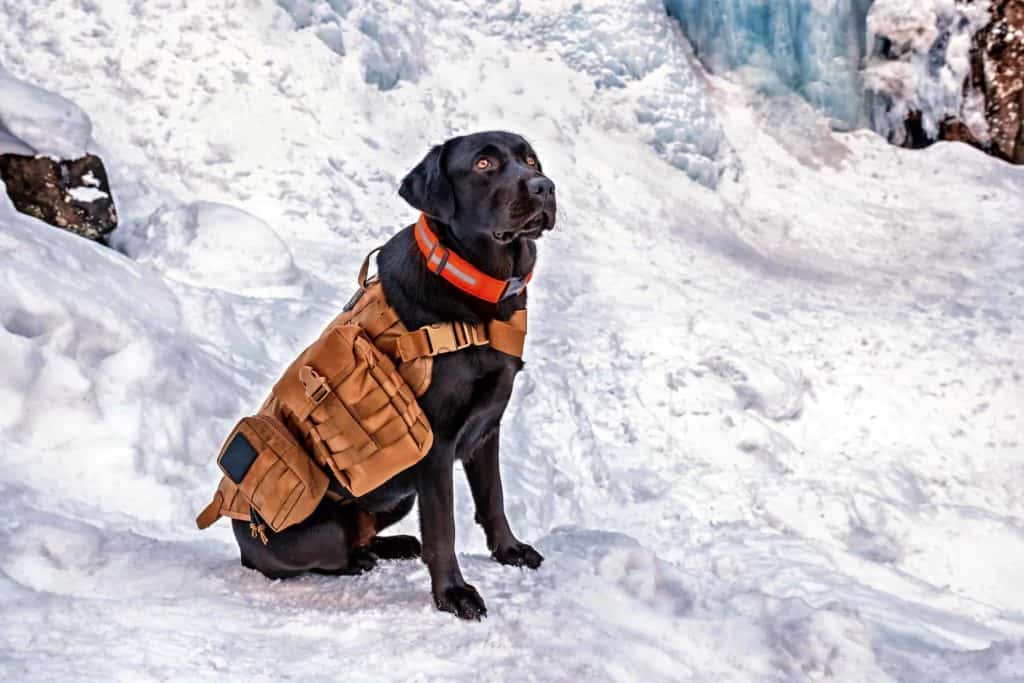
Labs get underestimated. Their goofy, tail-wagging enthusiasm reads as simple, even dim. It isn’t. Labs are working dogs with serious intellectual capacity — highly food-motivated, deeply trainable, and capable of learning complex multi-step tasks that most breeds couldn’t touch.
That’s why they dominate detection work, guide dog programs, search-and-rescue, and therapy settings. These aren’t easy jobs. Labrador Retrievers need sustained focus, problem-solving, and emotional management.
Labs do all of it, often with a tennis ball’s worth of optimism.
The flip side? That same acute intellect and bottomless energy get Labs into serious trouble when they’re under-stimulated.
A bored Lab isn’t just a nuisance — it’s a wrecking ball with a wagging tail. They need outlets. Give them one, and they’ll excel at almost anything you ask.
9. Papillon
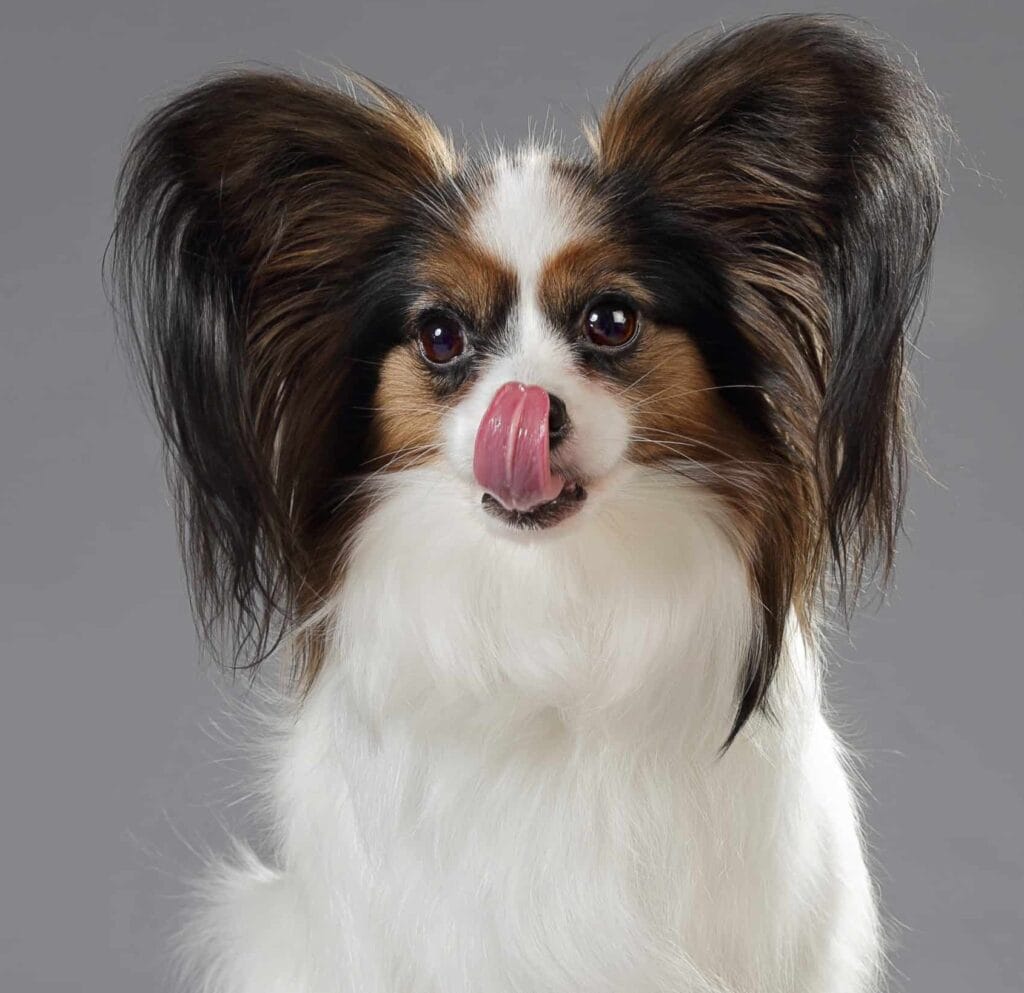
Seven pounds. Enormous brain. Zero awareness of their own size.
Papillons consistently top agility competition results — not because they’re little and fast, but because they’re genuinely, strategically intelligent.
They learn tricks with almost frightening speed, solve problems with focused intensity, and have mastered the art of getting what they want from humans who think they’re in charge.
Don’t be fooled by the butterfly ears and the lap-dog aesthetic. Papillons are athletes and thinkers.
They need mental stimulation and structured training just as much as a larger breed — they need it in a slightly smaller package. Ignore their intelligence, and they’ll fill the gap themselves, usually by training you to give them exactly what they want.
10. Rottweiler
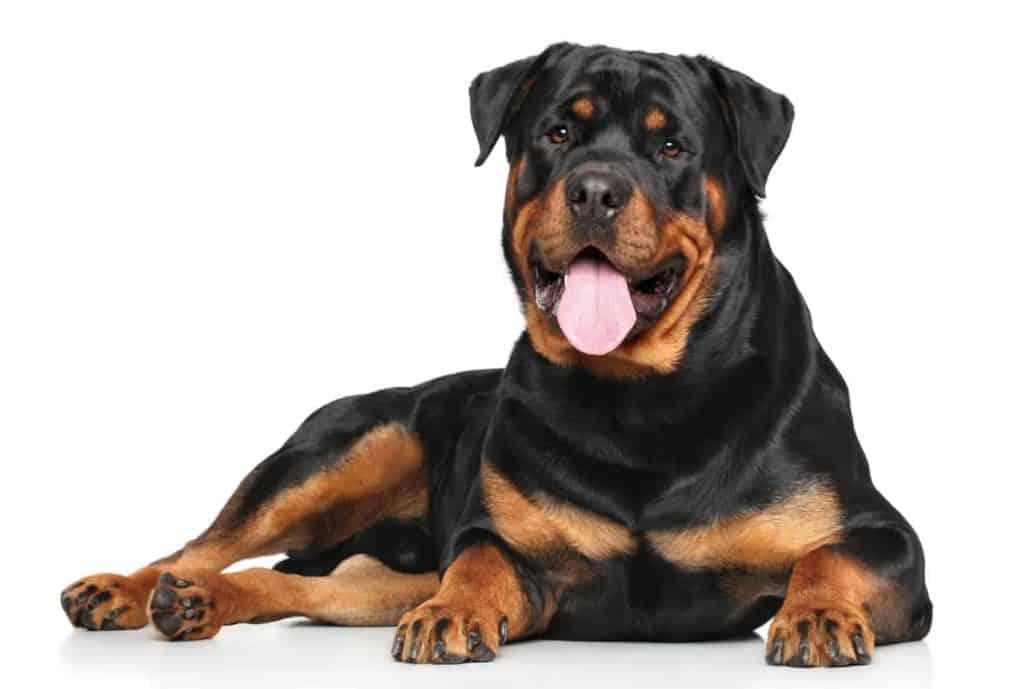
The public narrative about Rottweilers is almost entirely formed by fear and misinformation.
The reality is a breed that’s calm, analytically intelligent, and deeply loyal — not impulsive, not randomly aggressive.
Rottweilers come from herding and cart-pulling work — drafting dogs that needed to think, make decisions, and work alongside humans in tough settings. That heritage built a dog that’s confident and steady, not reactive and frantic. They read situations. They assess before they respond. That’s a sign of good temperament, not danger.
What they need is a consistent leader — someone who provides clear structure and earns their respect through patience and confidence. Without that, a Rottweiler’s natural protectiveness can tip into guarding behaviors that become difficult to manage. With it, they’re one of the most reliable, impressively grounded dogs in existence.
11. Jack Russell Terrier
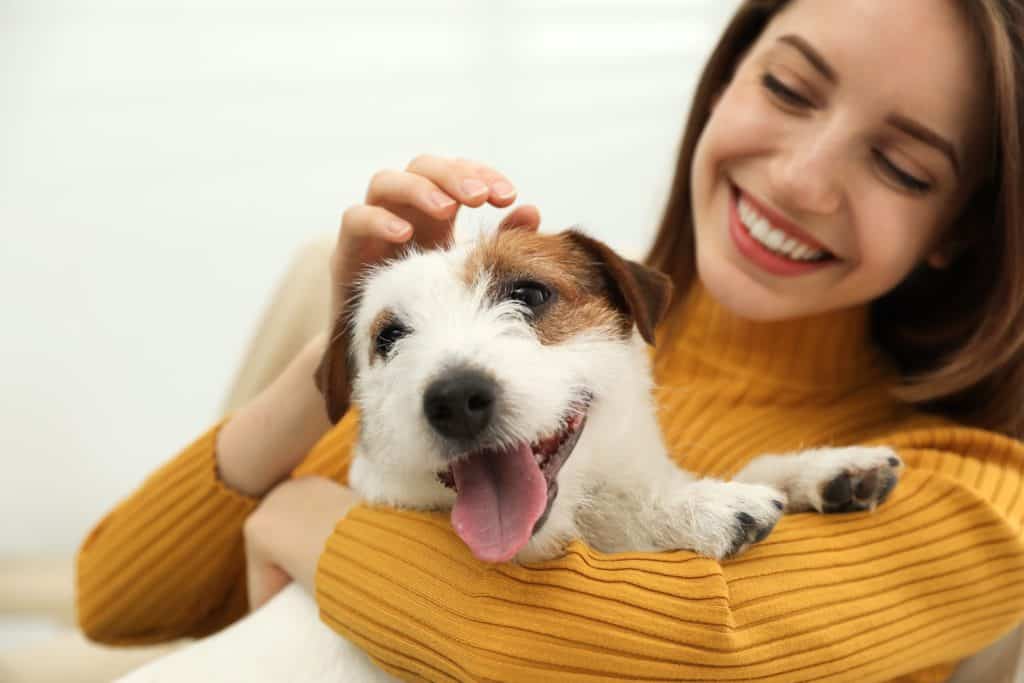
Jack Russells are not obedient dogs. Let’s get that straight immediately.
They’re brilliant dogs — tenacious, laser-focused, endlessly inventive — but obedience in the traditional sense isn’t really their thing.
Terriers were bred to make independent decisions underground, in the dark, without human guidance. That wiring doesn’t wash out.
What you get with a Jack Russell is a dog that will absolutely figure out how to get what it wants, solve any puzzle you put in front of it, and run your household like a small, chaotic CEO.
They’re terrible off-leash because recall competes against instinct, and instinct wins every time. They have a cult following of owners who love them precisely for this quality.
They’re not for everyone. They’re for people who find a dog’s refusal to comply genuinely charming.
If that’s you — welcome to the club. Membership comes with unconditional love and a permanently shredded throw pillow.
The bottom line on intelligent dogs
Living with a genius dog means committing to being their partner, not just their owner. These breeds don’t settle for a bowl of kibble and a pat on the head.
They want engagement, purpose, and a relationship that meets them where they are.
That might look like enrolling in advanced obedience or trick training classes, spending time each day playing scent work or nose games, running agility drills in your yard, or teaching your dog to help with real tasks around the house.
Rotate puzzle toys, hide treats for them to find, and explore new places together—the goal is to challenge their minds and build a real partnership through daily activities.
That’s a lot to ask. It’s also one of the most rewarding things you can do.
If you can meet their mental and physical needs, these breeds will reward you with a bond unlike anything you’ve ever experienced.
The fridge might not be safe. The gate latch is definitely not safe. But you won’t find a more switched-on, devoted, extraordinary companion anywhere.
Just hide your couch cushions first.
Sara B. Hansen has spent 20-plus years as a professional editor and writer. She’s also the author of The Complete Guide to Cocker Spaniels. She created her dream job by launching DogsBestLife.com in 2011. Sara grew up with family dogs, and since she bought her first house, she’s had a furry companion or two to help make it a home. She shares her heart and home with Nutmeg, a Pembroke Welsh Corgi. Her previous dogs: Sydney (September 2008-April 2020), Finley (November 1993-January 2008), and Browning (May 1993-November 2007). You can reach Sara @ editor@dogsbestlife.com.