
Keep your aging dog healthy and happy with these proven nutrition tips

Your dog is slowing down. Maybe they’re skipping the morning zoomies. Maybe they’re leaving food in their bowl — food they used to inhale in seconds.
Or maybe you caught yourself Googling “senior dog food” at 11 p.m., equal parts worried and overwhelmed. If you’re here looking for answers, it’s because you care deeply about your dog’s well-being.
Taking the time to learn and seek out the best for them says a lot about your devotion as a pet parent.
Whatever brought you here, one thing’s clear: you’re paying attention. And that matters more than you know.
Here’s the truth nobody says out loud — watching your dog age is emotionally gutting.
You think, Is this normal? Am I doing enough? Should I have changed their food sooner?
That guilt spiral? Completely valid. Aging dog nutrition is genuinely confusing, and the pet food industry doesn’t exactly make it simple.
But you’re not in this alone—throughout this guide, you’ll find clear, step-by-step advice on what to feed your aging dog and when to make changes. If you feel lost right now, practical solutions are just ahead.
But here’s what’s also true: the right nutrition can genuinely extend your dog’s quality of life. Not just their years, their good years.
Let’s dig in.
When to switch to senior dog food
- When to switch to senior dog food
- Key nutritional changes for aging dogs
- Homemade vs. commercial diets
- Sample meal plans to ensure optimal senior dog nutrition
- Hydration reminders
- Essential supplements for senior dogs
- Controlling weight in older dogs
- Interactive tools and resources
- Tips for feeding picky senior eaters
- Monitoring health through diet adjustments
- Signs of nutritional deficiencies
- The link between dental health and nutrition
- Common misconceptions debunked
- Emotional support for pet parents
- Consult your vet for personalized nutrition plans
There’s no single magic birthday when your dog becomes a “senior.”
Smaller breeds tend to age more slowly — a Chihuahua might not need senior food until age 10 or 11.
Larger breeds, though, cross that threshold earlier, sometimes as young as 5 or 6.
Giant breeds like Great Danes? Even sooner.
Watch for the signs more than the calendar.
Reduced energy, weight changes, stiffer joints in the morning, or a coat that’s lost its luster all signal that your dog’s nutritional needs are shifting.
Senior formulas typically offer lower calories, adjusted protein levels, and added joint-support ingredients that your aging pup’s body genuinely needs.
Common joint-support ingredients include glucosamine, chondroitin, green-lipped mussel, and MSM (methylsulfonylmethane). Look for these on nutrition labels because they help support joint health and mobility as your dog ages.
Don’t wait for a dramatic change before you act. Gradual transitions are also gentler on their digestive system — mix the new food with the old over 7 to 10 days to avoid any stomach drama.
Key nutritional changes for aging dogs

Senior dogs have slower metabolisms, more work for their kidneys, and greater joint wear and tear.
Their nutrition should adapt to these changes.
Contrary to outdated advice, most healthy seniors benefit from high-quality, easily digestible protein to maintain muscle mass, which is key for mobility and longevity.
Focus on real meat instead of byproducts or fillers.
Fat should be moderate enough to support brain, skin, and coat health, but not so much to encourage weight gain.
Fiber is often overlooked. It supports digestion and gut health, helping prevent constipation and boosting comfort.
Talk to your vet to determine appropriate portion control for your dog’s slower metabolism.
Homemade vs. commercial diets
Many pet parents consider cooking for their senior dogs, hoping to offer fresher or more natural nutrition.
Homemade diets give you control over ingredients and can be customized for allergies or sensitivities.
However, balancing nutrients at home is challenging, and even well-meaning recipes may lack essential vitamins or minerals.
Commercial senior dog foods are formulated to meet nutritional standards and are more convenient, but ingredient quality can vary.
If you’re considering home-cooked meals, always consult your vet or a veterinary nutritionist to ensure your dog’s diet is complete and appropriate for their specific needs.
Sample meal plans to ensure optimal senior dog nutrition
To help you get started, here’s a simple week-long meal plan for senior dogs.
You can mix and match high-quality commercial food with simple, balanced homemade recipes.
Always check with your vet before making changes, especially if your dog has health conditions.
Example Day (Commercial)
Morning: Senior formula dry kibble (with added warm water)
Evening: Senior formula canned food mixed with steamed green beans
Example Day (Homemade)
Morning: Cooked lean ground turkey, brown rice, and steamed carrots
Evening: Scrambled egg with cooked spinach and a spoonful of plain pumpkin
Alternate as needed and adjust portions to maintain a healthy weight.
Supplements or specific ingredients should be vet-approved.
Hydration reminders
Aging dogs are prone to drinking less, which can lead to dehydration—especially if they have kidney issues or kidney disease.
Make sure fresh water is always available and easily accessible.
You can encourage drinking by adding water or low-sodium broth to food, offering ice cubes as treats, or placing multiple water bowls around the house.
Signs of dehydration include dry gums, sunken eyes, lethargy, and skin that doesn’t spring back quickly when gently pinched.
If you notice any of these, contact your vet promptly.
Essential supplements for senior dogs
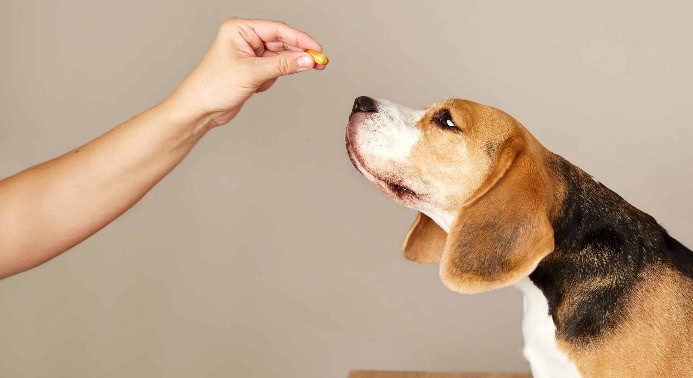
Think of them as preventive care, not miracles.
Food alone doesn’t always cover everything. Supplements can fill gaps, but not all are worth the money—or equally safe.
Whenever you’re choosing a supplement, look for ones that are third-party tested or recommended by veterinarians.
This makes sure you’re giving your dog something that is both safe and effective, rather than just trusting a marketing claim on the label.
Glucosamine and chondroitin top the list for most seniors. These compounds support joint cartilage and can meaningfully reduce rigidity and pain in dogs with arthritis.
Many senior formulas include them, but therapeutic doses often require a dedicated supplement.
Omega-3 fatty acids — particularly EPA and DHA from fish oil — reduce inflammation, support brain health, and keep the coat and skin in good shape.
Cognitive decline is real in aging dogs, and Omega-3s are one of the best-studied tools for slowing it.
Probiotics help maintain gut flora balance, which affects everything from immunity to stool quality. If your dog takes antibiotics or has a sensitive stomach, a probiotic is worth serious consideration.
Antioxidants like vitamins C and E fight oxidative stress, which accelerates aging at the cellular level. Some senior formulas include these; others don’t. Always check your label.
Always run new supplements past your vet before starting. Interactions plus dosing matter, and what works for one dog doesn’t automatically work for another.
Controlling weight in older dogs
Extra weight is a serious risk for senior dogs, straining their joints and reducing mobility.
But being underweight is also dangerous, leading to muscle loss, poor healing, and lowered immunity.
Aim for a healthy body condition—ribs you can feel, a visible waist, and a tucked abdomen.
Measure food precisely, limit treats, and avoid free-feeding. Scheduled meals help you monitor appetite and weight changes.
If you have multiple dogs, feed seniors separately so they get appropriate nutrition. Gentle, regular exercise supports maintaining muscle and metabolism.
Adjust activity to your dog’s comfort level and keep a close eye on their weight.
Interactive tools and resources
Empower yourself with reliable resources:
- Body Condition Score Chart: Assess your dog’s ideal weight visually to maintain your dog’s body condition
- Portion calculators: Use an online tool to help you determine your dog’s daily calorie needs.
- Vet-approved supplements: Look for brands that undergo third-party testing or are recommended by your veterinarian.
These tools can help take the guesswork out of feeding and monitoring your senior dog’s nutrition.
Tips for feeding picky senior eaters

to a life-stage diet plan for older dogs.
Senior dogs go off their food for all kinds of reasons — dental pain, nausea from medications, a dulled sense of smell, or simply the fact that their appetite naturally decreases with age.
Before you write it off as “just being picky,” rule out a medical cause with your vet.
If they’ve got a clean bill of health and they’re just being finicky, try these approaches:
Warm the food slightly. Heating wet or moistened dry food releases aromas that make it far more appealing to a dog with a weakened sense of smell.
Even adding warm water or low-sodium broth to kibble can change the experience.
Rotate proteins gradually. Sometimes dogs get bored.
A new protein source — lamb, salmon, duck — can revive interest without upsetting the nutritional balance you’ve worked to establish.
Smaller, more frequent meals can help too. A stomach that gets overwhelmed easily often tolerates smaller portions better than a single large meal.
If your dog still refuses food for more than 24 to 48 hours, don’t wait — call your vet. That’s not picky eating. That’s a signal.
Monitoring health through diet adjustments
Food isn’t just fuel — it’s information. Changes in your dog’s eating habits, stool quality, energy, coat condition, and body weight all tell you something.
The trick is knowing what to look for and when to act.
Keep it simple: weigh your dog monthly. Track it. A slow, steady decline over several months can be easy to miss without the numbers. Sudden changes in either direction warrant a vet call.
Watch their stools. Frequent soft stools, constipation, or changes in stool color can all point to dietary issues, digestive problems, or something more serious.
Energy levels and behavior matter too. A dog who’s sleeping more than usual, showing less interest in walks, or seeming dull and disengaged isn’t just “getting old.” That’s a dog whose body might be telling you something needs to change.
Nutrition adjustments aren’t a one-and-done thing. Senior dogs need reassessment every six months at a minimum — because what works at age 9 may not work at age 12.
Signs of nutritional deficiencies
Watch for warning signs that may indicate your senior dog’s diet isn’t meeting their needs.
Common red flags include a dull or brittle coat, flaky skin, chronic ear infections, lethargy, unexplained weight loss, digestive upset (vomiting or diarrhea), or persistent itching.
If you notice any of these, consult your vet to rule out deficiencies or underlying health problems.
The link between dental health and nutrition
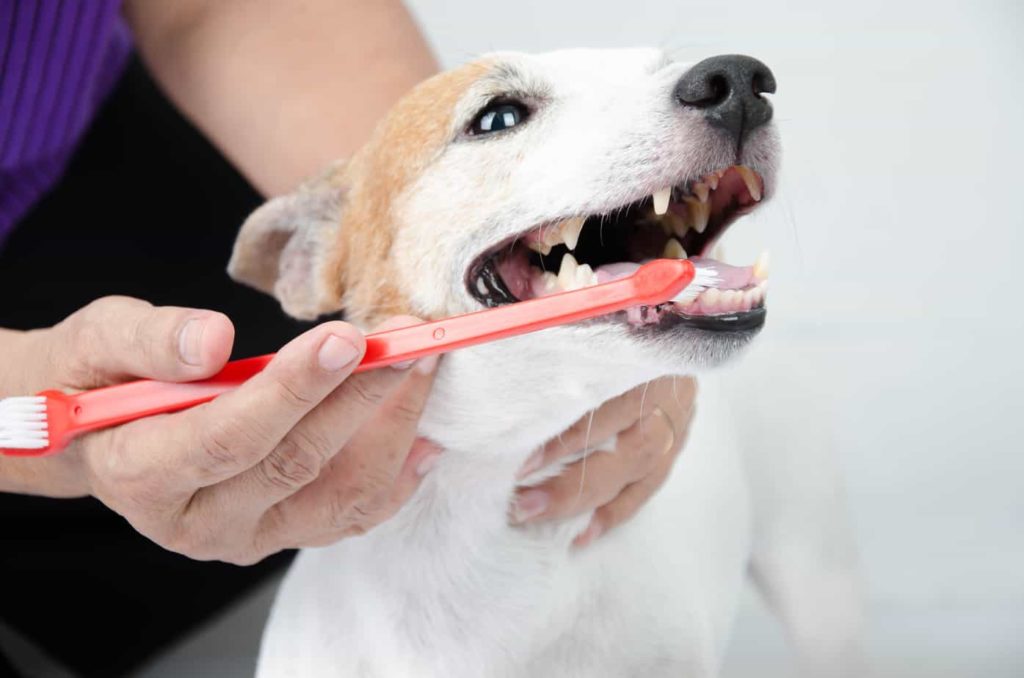
Dental disease is common in older dogs and can make eating painful, leading to reduced appetite or pickiness.
Regular dental care—like brushing your dog’s teeth, providing dental chews, and scheduling professional cleanings—can help maintain oral health.
If your senior dog has missing teeth or gum pain, consider softer foods or adding warm water or chicken broth to kibble to make meals easier to eat and chew.
Addressing dental health directly supports better nutrition and overall well-being.
Common misconceptions debunked
Myth: All senior dogs need low-protein diets.
In reality, most healthy seniors benefit from high-quality protein to maintain muscle mass.
Only dogs with specific kidney issues may require protein restriction, and your veterinarian should determine this.
Myth: Grain-free is always better.
Grain-free diets are not inherently healthier for senior dogs and may even be linked to certain heart issues.
Unless your dog has a diagnosed grain allergy, whole grains can be a valuable part of their diet.
Always consult your vet before making major dietary changes based on trends or marketing claims.
Emotional support for pet parents
Caring for an aging dog is an emotional journey filled with both love and worry. It’s normal to feel anxious or even sad as you notice changes in your dog.
Lean on friends, family, or online communities of fellow pet parents who understand these ups and downs.
Sharing your experiences and seeking support can help you cope and remind you that you’re not alone.
Taking care of your emotional well-being enables you to be there for your dog with the patience and compassion they deserve.
Consult your vet for personalized nutrition plans
No article can replace your veterinarian’s guidance.
Your dog’s breed, weight, health, medications, and lab results all affect their nutritional needs.
Schedule twice-yearly wellness exams and ask specific questions about their food, supplements, and health changes.
Veterinary nutritionists can help with complex health issues. A customized plan, informed by diagnostics, is always best for your dog’s unique needs.
Supporting your senior dog with attentive nutrition and regular vet care is one of the best ways to honor the years you’ve had together.
Good nutrition is just one part of senior dog care.
Pair balanced meals with gentle daily exercise, such as short walks or swimming, to maintain mobility and prevent weight gain.
Provide mental stimulation through puzzle toys, training games, and new experiences.
Improve your dog’s senior years by making your home more comfortable with orthopedic bedding, easy-access ramps, and nonslip rugs.
A holistic approach supports both the body and spirit of your aging dog.
Sara B. Hansen has spent 20-plus years as a professional editor and writer. She’s also the author of The Complete Guide to Cocker Spaniels. She created her dream job by launching DogsBestLife.com in 2011. Sara grew up with family dogs, and since she bought her first house, she’s had a furry companion or two to help make it a home. She shares her heart and home with Nutmeg, a Pembroke Welsh Corgi. Her previous dogs: Sydney (September 2008-April 2020), Finley (November 1993-January 2008), and Browning (May 1993-November 2007). You can reach Sara @ editor@dogsbestlife.com.