
Summer dog safety guide: 17 tips to protect your pup from the heat

Summer is a great time to enjoy the outdoors with your dog, but hot weather comes with its own set of dangers.
Be alert to hazards like hot pavement, outdoor gatherings, and loud noises, so you can prevent accidents before they happen.
Here are 17 essential summer safety tips to keep your pup happy and healthy all season long.
1. Water, water, water!
- 1. Water, water, water!
- 2. Shade and shelter
- 3. Know the signs of heatstroke
- 4. Sunscreen for sensitive skin
- 5. Air conditioning on hot, humid days
- 6. Pool safety: teach your dog the exit
- 7. Hot grills and fryers
- 8. Barbecue hazards: food, drinks, and more
- 9. Fourth of July hazards: keep your dog safe all day
- 10. Fireworks anxiety: help your dog through the noise
- 11. Limit car rides in the heat
- 12. Check under parked cars
- 13. Watch out for toxic plants and lawn products
- 14. Beware of pests
- 15. Protect those paws from hot pavement
- 16. Don't skip summer grooming
- 17. Skip long walks in the heat of the day
- Your dog's counting on you
Make sure your dog always has access to fresh water, especially in warm weather or after exercise. Keep multiple water bowls filled and placed in different spots indoors and outdoors, since dogs tend to drink more when it’s hot. Staying hydrated is essential for their health.
2. Shade and shelter
Give your dog a cool, shaded area to relax in on hot days.
Avoid doghouses, which can become dangerously hot inside.
Instead, choose a spot with good airflow and a comfortable surface for your dog to rest.
3. Know the signs of heatstroke
Watch for symptoms of heatstroke in dogs, including heavy panting, drooling, rapid heartbeat, weakness, or collapse.
If you notice any of these, move your dog to a cooler place, offer small amounts of water, and seek veterinary help immediately.
4. Sunscreen for sensitive skin
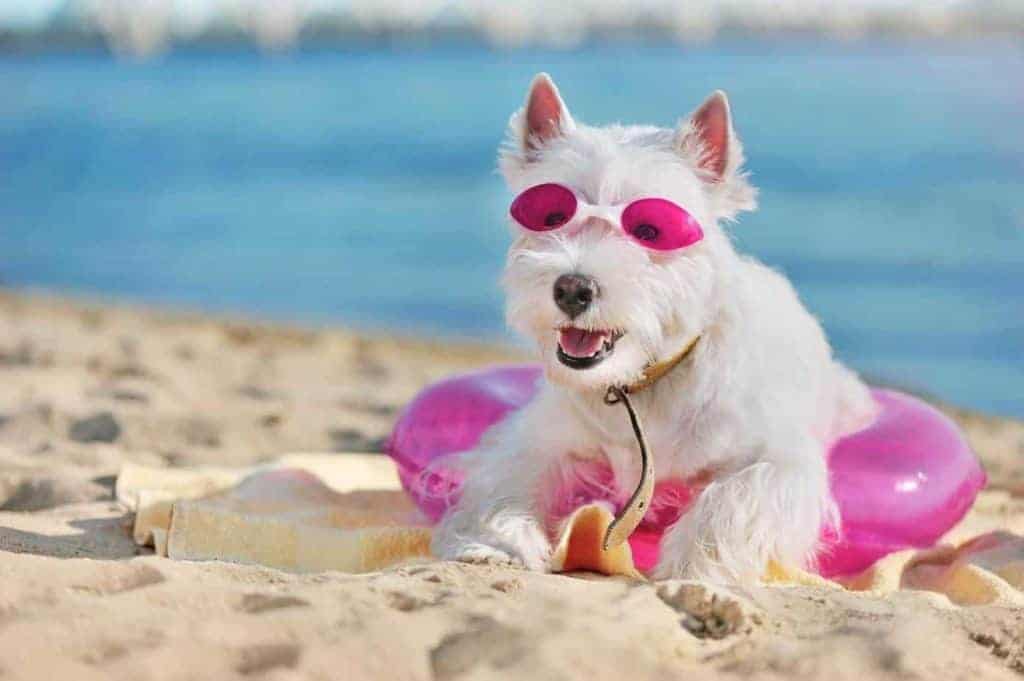
If your dog has light skin or a thin coat, apply a pet-safe sunscreen before spending time outside.
Never use human sunscreens, as some ingredients are harmful to dogs.
Ask your vet for recommendations and reapply as needed, especially after your dog swims or gets wet.
5. Air conditioning on hot, humid days
Some breeds, like bulldogs and pugs, are more sensitive to heat and humidity. Senior dogs, those with thick coats, or dogs with health issues are also at higher risk.
Keep all dogs inside during the hottest hours, and use air conditioning or fans when possible.
6. Pool safety: teach your dog the exit
If you have a pool, show your dog where the steps or exit are, and practice until they can get out on their own.
Use a life jacket for your dog during boating or swimming in lakes and rivers, especially if there are currents or waves.
7. Hot grills and fryers
Keep your dog away from grills and fryers at cookouts, as these can cause burns or injuries. Make sure the area is blocked off or keep your dog on a leash until the equipment has fully cooled.
8. Barbecue hazards: food, drinks, and more
Barbecue tools and leftovers are dangerous for dogs. Keep items like skewers, foil, and lighter fluid out of reach. Also, be aware that certain foods, such as onions, grapes, and xylitol-containing products, are toxic to dogs.
Alcohol is toxic to dogs, so keep drinks out of reach and make sure guests know not to share any with your pet.
9. Fourth of July hazards: keep your dog safe all day

Many dogs run away on holidays with fireworks, such as the Fourth of July, because loud noises frighten them. Make sure your dog has up-to-date ID tags and a microchip to help bring them home if they get lost.
Keep your dog away from fireworks, sparklers, and party items like glow sticks or citronella candles, which can be harmful if ingested. Never leave your dog unsupervised at gatherings.
10. Fireworks anxiety: help your dog through the noise
If your dog is anxious around loud noises, especially fireworks, you’re not alone, many dogs are affected. Dogs have sensitive hearing, which makes sudden sounds even more stressful.
To help your dog feel safe during fireworks or storms, set up a quiet, comfortable space away from windows, and offer familiar blankets or toys. Playing soft music or leaving the TV on can help mask outside noises. Stay calm and stay nearby if possible.
If your dog struggles with severe anxiety during fireworks, contact your vet ahead of time to discuss calming options. Treatments can range from anxiety wraps and supplements to prescription medication, depending on your dog’s needs.
11. Limit car rides in the heat
Only take your dog for car rides during cooler times of day, and never leave your dog in a parked car.
Even on a mild day, the temperature inside a car can become dangerously high very quickly.
12. Check under parked cars
Dogs sometimes hide under parked cars to escape the heat. Always check around your vehicle before driving, especially in summer.
13. Watch out for toxic plants and lawn products

Check that all plants and lawn products in your yard are safe for dogs.
Some common plants and fertilizers can be toxic. If you use chemicals on your lawn, keep your dog away until everything is dry.
14. Beware of pests
Remove piles of wood and debris from your yard to reduce the risk of snakes, ticks, and other pests that can harm your dog or carry disease.
Check your yard for stinging insects like hornets, yellow jackets, and fire ants, and use safe methods to remove them.
Prevent mosquitoes by avoiding standing water and changing water in birdbaths daily. Consider adding fish that eat mosquito larvae to garden ponds.
15. Protect those paws from hot pavement
Before walking your dog, check the pavement temperature. If it feels hot to your hand, it’s too hot for paws.
Walk on grass or dirt and choose cooler times of day. Use paw protection like booties or wax if needed.
16. Don’t skip summer grooming
Groom your dog regularly in summer to remove mats and excess hair, which helps keep them cool.
Some breeds do well with a trim, but double-coated dogs should not be shaved. Ask your vet or groomer what’s best for your dog’s coat type.
17. Skip long walks in the heat of the day

Walk your dog in the early morning or evening when it’s cooler, and keep exercise short to prevent overheating or dehydration.
In hot weather, try activities that stimulate your dog’s mind, like puzzle toys or teaching new tricks. Playdates with other friendly dogs can also provide enrichment when outdoor exercise is limited.
Your dog’s counting on you
With a bit of planning, you and your dog can have a safe and enjoyable summer. Following these tips helps keep your pet healthy while you both have fun outdoors.
Water. Shade. Cool timing. Safe food. A calm plan for fireworks.
Focus on these essential safety tips to make the most of summer with your dog.
With good care, you and your dog can enjoy every moment of the summer months.
Karen A. Soukiasian owns Good Dog! — Dog Training in St. Augustine, Florida. You can follow Karen on Facebook.