
Get to know the 5 most popular doodle dog breeds
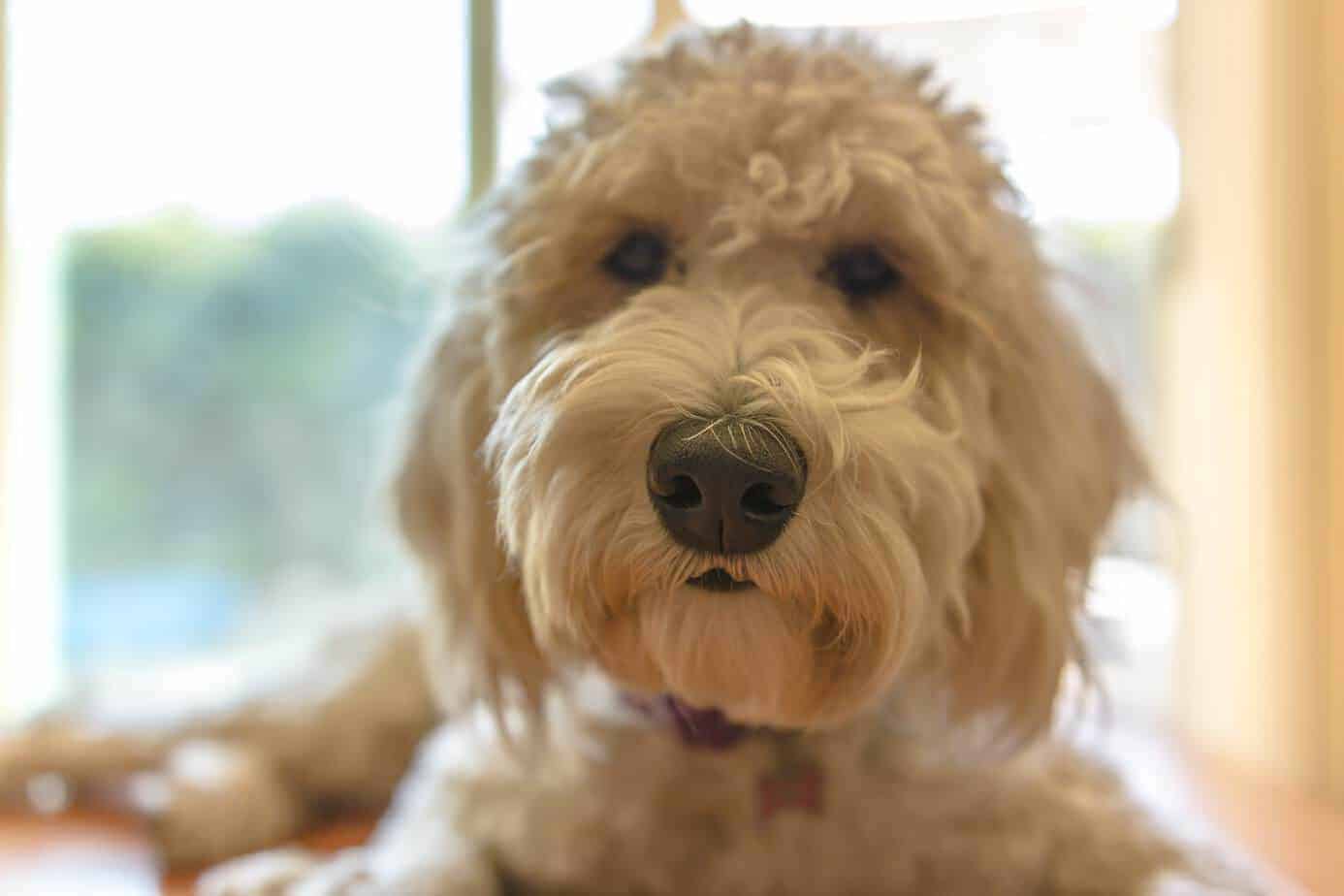
Over the last 20 years, the doodle dog breed has gained worldwide fame and become one of the most popular crossbred dogs in the world.
Any individual who owns a doodlepoodle will let you know that they are brilliant, loving, and trainable. Additionally, doodle dogs inherit some of the best hereditary genes from the Poodle, which makes them mostly non-shedding and generally hypoallergenic.
The doodle dog breed is a “designer dog,” meaning it is a crossbreed between two purebred dogs. There is no standard look, color, or temperament like you would regularly discover from purebreds.
Moreover, doodles come in every different size, ranging from teacup to toy, mini, medium, and standard. The dogs usually take a name that combines the other parent breed with either doodle or poo from the Poodle.
Here’s a look at the five best doodle dog breeds.
1) Goldendoodle
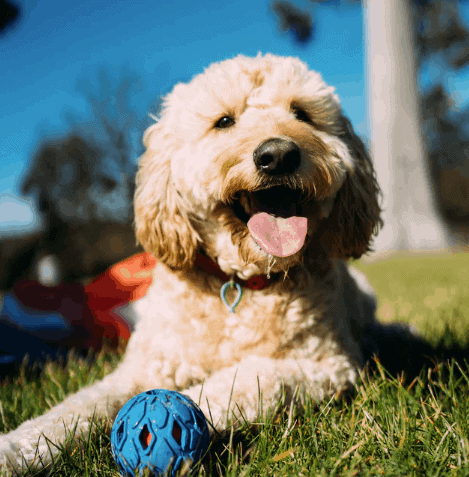
The Goldendoodle is by far the most popular type of doodle.
The Goldendoodle is a mix between a Golden Retriever and Poodle. The reason they are so popular is that they typically look like a teddy bear.
Even with their cute appearance, the Goldendoodle receives genetic traits from the Golden Retriever, making them loyal, loving, and easy-going.
Additionally, you’ll see Goldendoodles that serve as service dogs and emotional support dogs, due to their non-aggressive personality traits and ability to train.
This dog is excellent for the family and gets along well with children as well as other pets. Goldendoodles are a great addition to the family!
2) Maltipoo

The Maltipoo is a trendy doodle blend of the Maltese and the Poodle.
Perhaps the most significant drawback of a Maltese is that they tend to shed.
Both the Poodle and the Maltese originate from working dogs, so the Maltipoo will require a decent amount of physical activity and mental stimulation to prevent it from destroying your house.
However, Maltipoos are a brilliant dog breed, making them relatively easy to train.
The Maltipoo comes in several colors, including the Parti Maltipoo, which is a popular choice among pet owners.
3) Labradoodle
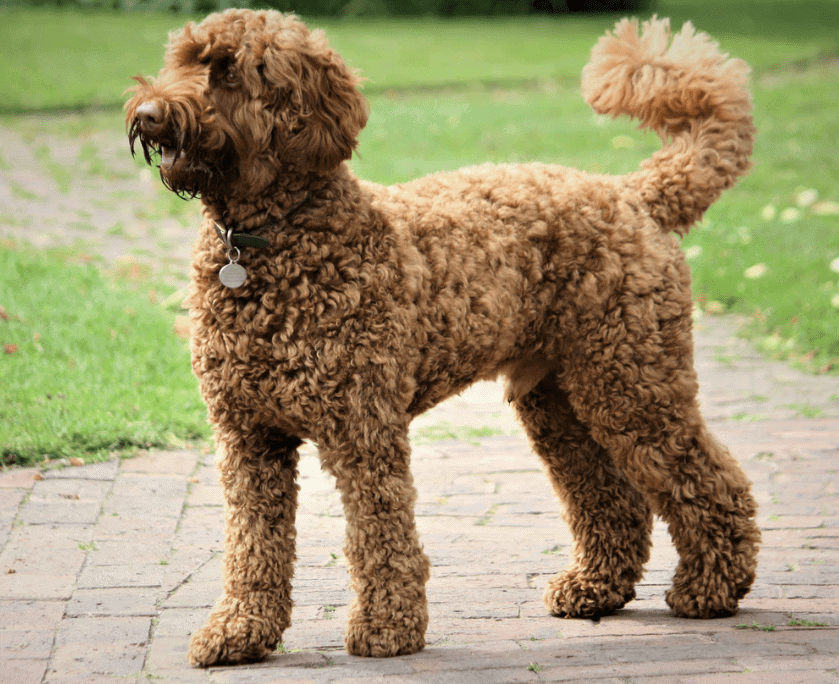
The Labradoodle is a popular crossbreed blend of the Labrador Retriever and the Poodle.
Since the Labrador Retriever and the Poodle are two of the most well-known dogs on the planet, it’s easy to comprehend why the Labradoodle is the second most popular doodle.
Fun fact: the Labradoodle comes in several coat colors. The Poodle comes in over nine standard colors, and the Labrador Retriever comes in three colors, resulting in a wide array of coat colors.
The most well-known coat shades of a Labradoodle will be caramel, red, cream, chocolate, and apricot.
4) Bernedoodle

Bernedoodles are gaining popularity rapidly, as they almost always exhibit the tri-color coat characteristic of the Bernese Mountain Dog parent breed.
The Bernese Mountain Dog and Poodle blend is amicable for a big dog and is continuously happy. It’s the ideal doodle if you want a bigger multi-colored dog.
Bonus: Bernedoodle puppies are adorable and cuddly.
5) Shepadoodle
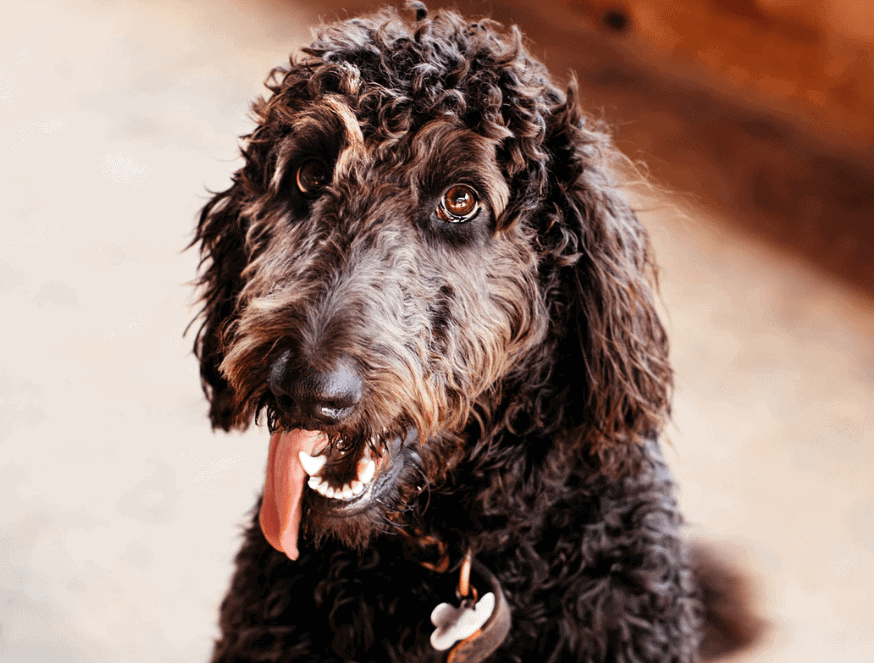
The Shepadoodle isn’t the most well-known doodle breed today, but it is trending and will remain extremely popular.
This German Shepherd and Poodle blend is gaining popularity, as individuals seek doodles that are larger and non-shedding.
This definitely makes the Shepadoodle a great choice, as they are generally large in size, weighing more than 60 pounds. Shepadoodles will be a popular pick in a couple of years.
Doodle training needs
Doodle dog breeds are known for their intelligence, eagerness to please, and generally friendly demeanor, making them highly trainable.
However, like all dogs, they require proper guidance and consistent training to thrive.
Start early
Beginning training at a young age is crucial for doodles.
Early socialization helps them develop into well-adjusted adults.
Expose your puppy to various people, environments, and situations to help build their confidence and adaptability.
Positive reinforcement
Doodles respond best to positive reinforcement techniques.
Use treats, praise, and playtime as rewards for good behavior.
This encourages them to repeat the desired actions and creates a bond of trust between you and your dog.
Consistency
Consistency in commands and rules is vital.
Use the same words and signals for commands to avoid confusion.
This helps your Doodle learn more effectively and understand what is expected of them.
Keep sessions short and fun
Doodles, while intelligent, can also have a playful side that may easily distract them.
Keep training sessions short (around 5 to 10 minutes for puppies and up to 15 minutes for adults) and incorporate games or fun activities to maintain their interest.
Socialization with other dogs
Doodles typically enjoy interacting with other dogs.
Regular playdates and trips to the dog park can help them learn proper canine etiquette and develop their social skills.
Ensure these interactions are supervised to reinforce good behaviors.
Address behavioral issues immediately
If any undesirable behaviors arise, such as barking or chewing, address them promptly.
Redirect your dog’s attention to appropriate behaviors and reward them when they respond positively.
This helps prevent issues from becoming habits.
Consider professional training classes
For first-time dog owners or those facing challenges, enrolling in professional training classes can be beneficial.
A professional trainer can provide valuable insights and techniques tailored to your Doodle’s personality and needs.
Be patient
Remember that every dog learns at their own pace.
Be patient and understanding, celebrating small successes.
With love, consistency, and dedication, your doodle will become a well-mannered and happy companion.
Grooming needs
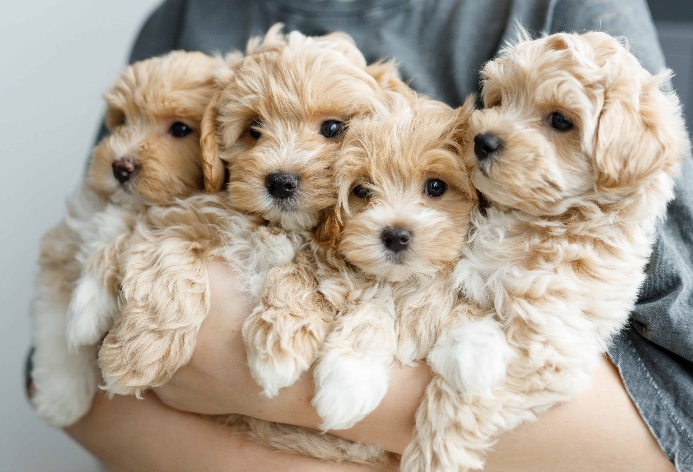
Doodle dog breeds have varying grooming needs, depending on their coat type.
Here are some key points to consider:
Regular brushing
Brush your doodle two to three times a week to prevent mats and tangles. Daily brushing may be necessary for curlier coats.
Bathing
Bathe your doodle every 4 to 8 weeks using a gentle dog shampoo.
Avoid overbathing, as it can lead to dry skin.
Trimming
Regular haircuts give your dog a neat look.
Consider visiting a professional groomer every 6 to 8 weeks for optimal coat maintenance.
Ear care
Check and clean your doodle’s ears regularly to prevent infections.
Wipe the outer part with a damp cloth.
Nail trimming
Trim nails every 3 to 4 weeks to ensure comfort and prevent damage to floors and furniture.
Dental care
Brush your doodle’s teeth several times a week and provide dental chews to support oral health.
Potential downsides
While Doodle breeds are known for their friendly nature and hypoallergenic coats, there are some downsides to consider:
Grooming needs
Doodles require regular grooming to prevent matting, which can lead to significant time and cost concerns.
Health concerns
They may inherit genetic issues, such as hip dysplasia and allergies. Researching health screenings is advisable.
Energy levels
High-energy dogs like Doodles need regular exercise; lack of it can lead to behavioral problems.
Training challenges
They can be strong-willed, making training challenging without early socialization and positive reinforcement.
Cost
Initial purchase prices from reputable breeders can be high, with ongoing grooming and care costs adding up.
Popularity and sourcing
Increased demand has led to unethical breeding practices, so finding a responsible breeder is crucial.
Variable traits
Mixed-breed unpredictability may result in varying traits, which can lead to mismatched expectations.
Most popular doodle dog breeds
Doodle dog breeds are beloved for their intelligence, affection, and hypoallergenic qualities.
Their diverse sizes and friendly nature make them an excellent choice for families.
You might also wanna consider having a blue heeler poodle mix. It is a mixture of the Queensland Heeler and a Poodle.
While they require regular grooming and proper training, the joy and companionship they offer are well worth the effort.
Whether you choose a Goldendoodle, Labradoodle, or another mix, you’re sure to welcome an excellent addition to your home.

Garrett Yamasaki is an avid animal lover and takes care of two family pets: an adopted cat and a Goldendoodle dog. In his free time, he volunteers for the Humane Society of Silicon Valley, where he fosters pets before they get adopted and helps train the animals. Garrett enjoys writing about pets, which is why he started two blogs: We Love Doodles and Miauland.
Discover the perfect furry companion for you with our comprehensive dog breed guide ?