
Should you welcome a Bernese mountain dog? Here’s what to know
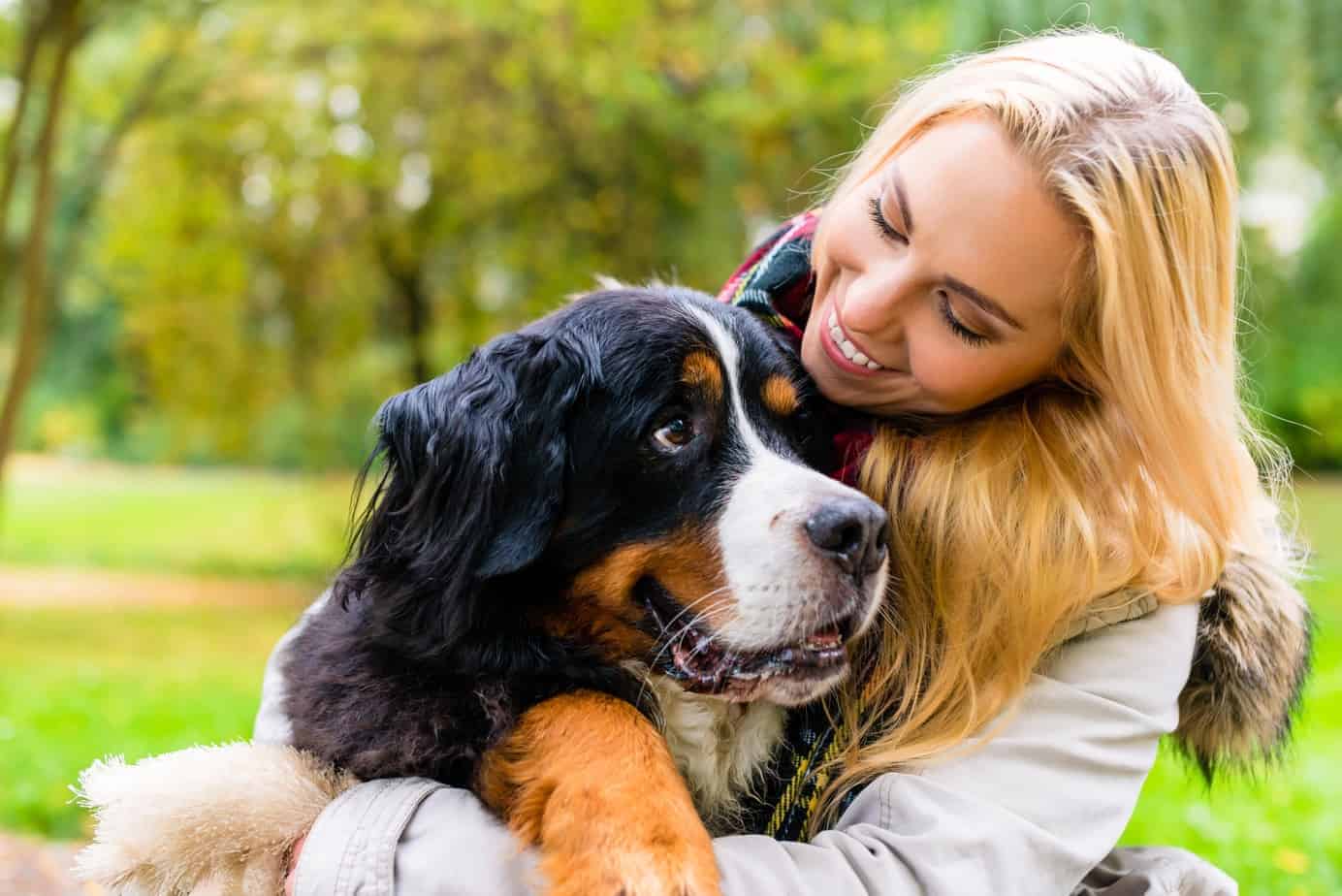
The Bernese mountain dog originates from the mountains of Bern, Switzerland. These large-breed dogs were bred for work in the Alps.
The Bernese is one of four varieties of Swiss mountain dogs and is one of the largest dog breeds.
It shares the distinctive tri-colored coat of the other Swiss mountain dogs, but is the only one with a long, silky coat.
That means the dogs shed a lot.
Bernese mountain dog facts
Because they were bred to work in the mountains, Bernese mountain dogs love to carry and pull things. They are also decent herding dogs. Bernese mountain dogs are large dogs and weigh from 80 to 115 pounds.
People who want a smaller dog with Bernese mountain dog characteristics can opt for Miniature Bernese Mountain Dog Puppies. The minis, also known as Bernaliers, are a cross between the Bernese mountain dog and the Cavalier King Charles Spaniel.
The breed is even-tempered and friendly. Although large, it isn’t known for being mean or aggressive. It rarely barks. The dogs are known for being especially good with children.
Bernese mountain dogs tend to live for seven to 10 years. Because they are prone to cancer, nearly 10 percent develop cancer by the time they are 6 years old. Be sure to find a reputable breeder.
You can also adopt the dogs through Petfinder.com and related rescue organizations, including Animal Rescue Squad International in California, Melissa’s Menagier’s Second Chances in Kansas, and New Hope Rescue in Alabama.

Training needs
Because Bernese mountain dogs tend to mature more slowly, training them takes time and patience.
Take time to socialize your puppy and consider working with a professional trainer or taking the dog to obedience classes so your Bernese will obey basic commands and be a well-behaved family member.
Once trained, however, they are obedient and loyal dogs.
Exercise needs
The Bernese mountain dog temperament is calm and relaxed. With their gentle demeanor, they are good with small children.
Despite their laid-back personality, Bernese mountain dogs require regular exercise to maintain their physical and mental health.
Here are some key points regarding their exercise needs:
Daily exercise routine
Berners typically need at least 60 to 90 minutes of moderate exercise daily. This can include walks, playtime in a secure yard, or engaging in activities like hiking, which they generally enjoy due to their working dog background.
Walking and hiking
Long, brisk walks are ideal for these dogs. They thrive when you can take them outdoors to explore different terrains. Given their strength and endurance, they make excellent hiking companions. Just be mindful of their energy levels and adjust the intensity based on their age and overall health.
Mental stimulation
In addition to physical exercise, Bernese Mountain Dogs also require mental stimulation.
Activities like obedience training, puzzle toys, and interactive games can help keep their minds sharp and prevent boredom, which can lead to behavioral issues.
Social interaction
Regular interaction with other dogs can be beneficial. Socializing helps to develop their temperament and can provide them with a healthy outlet for their energy.
Adaptability
While they enjoy exercise, Bernese Mountain Dogs can adapt to less active lifestyles, especially as they age.
However, maintaining some activity level is essential to prevent obesity and health-related issues.
Bernese mountain dog health issues
Bernese mountain dogs have specific health concerns.
One of the most significant issues affecting this breed is a predisposition to certain types of cancer, particularly malignant histiocytosis, which is more prevalent in the breed.
It’s estimated that nearly 10% of these dogs may develop cancer by the time they are just 6 years old.
Another common health concern is hip dysplasia, a genetic condition where the hip joint doesn’t fit properly into the hip socket, leading to arthritis and pain.
Elbow dysplasia is another orthopedic issue that can arise, causing discomfort and mobility problems.
Additionally, Bernese mountain dogs are prone to bloat (gastric torsion), a potentially life-threatening condition that requires immediate veterinary attention.
Regular meals and avoiding vigorous exercise right after eating can help reduce this risk.
Eye problems, including cataracts and progressive retinal atrophy, can also affect this breed as they age. Regular eye examinations by a veterinarian can help in the early detection and management of these issues.
To ensure your Bernese mountain dog remains healthy, it’s essential to schedule regular veterinary check-ups, maintain a nutritious diet, and engage in appropriate exercise.
Feed a healthy diet
Berners are large, robust dogs that require a balanced and nutritious diet to support their size, energy levels, and overall health. Here are the key considerations for their dietary needs:
High-quality protein
Bernese mountain dogs thrive on a diet rich in high-quality protein. Suitable sources include chicken, beef, lamb, and fish.
Protein is essential for muscle maintenance and growth, especially during puppyhood and adolescence.
Healthy fats
Incorporating healthy fats into their diet is crucial for providing energy and supporting skin and coat health.
Look for dog foods that include omega-3 fatty acids from sources such as fish oil or flaxseed oil.
Complex carbohydrates
Complex carbohydrates, such as brown rice, oats, and sweet potatoes, are excellent sources of energy.
They also support digestive health and help maintain stable blood sugar levels.
Vitamins and minerals
A well-rounded dog food should include essential vitamins and minerals, such as calcium, phosphorus, and vitamins A, D, and E, to support bone health and immune function.
Portion control
Due to their large size, Bernese Mountain Dogs can be prone to excessive weight gain, which may lead to joint problems and other health issues.
Measuring their food portions accurately is essential based on age, weight, and activity level. Using an automatic feeder can help.
Life stage considerations
Puppies, adults, and senior Berners have different nutritional needs.
Puppy formulas are designed for growth and energy, while senior diets may have fewer calories and added joint supplements to support aging bones.
Hydration
Always ensure your Bernese mountain dog has access to fresh, clean water. Proper hydration is vital for overall health and well-being.
Consult your vet
It’s always a good idea to consult with a veterinarian for personalized dietary recommendations based on your dog’s specific health needs, activity level, and any food sensitivities or allergies.
Big dog, lots of shedding

They have long, thick coats because the dogs originally were bred to live in the Swiss Alps. That’s great in the winter, but these dogs will shed a lot when spring and summer come.
Be prepared to spend money on brushes and other cleaning tools. Regular brushing is vital. Plan to brush the dog’s coat at least twice a week.
The dogs are not hypoallergenic and could pose problems for people with dog allergies.
Grooming needs
Grooming a Bernese mountain dog is essential due to their long, thick coat, which requires regular maintenance to keep it healthy and free of tangles.
Here are some grooming tips: 1
Brushing
It is recommended that you brush your Bernese mountain dog at least two to three times a week and more frequently during shedding seasons, typically in the spring and fall.
This helps remove loose fur, prevents matting, and reduces the amount of hair around your home.
Bathing
Bernese mountain dogs must be bathed only every few months or as needed, especially if they become filthy or develop an odor.
Use a dog-specific shampoo to maintain the health of their coat and skin.
Check and clean ears
Check your dog’s ears regularly for dirt or wax buildup. Gently clean them with a damp cloth or a vet-recommended ear cleaner.
Nail trimming
Keep their nails trimmed to prevent discomfort or potential injury. Depending on how active your dog is, you may need to cut their nails every few weeks.
Dental care
Remember dental hygiene. Regularly brushing your dog’s teeth and providing dental chews can help prevent dental issues.
Professional grooming
If you’re unsure about grooming or if your dog has particularly thick or matted fur, consider taking them to a professional groomer who is experienced with the breed.
A consistent grooming routine will help ensure your Bernese mountain dog stays comfortable and looks their best.
Regular grooming also allows you to bond with your pet and check for skin issues or abnormalities.
Exercise needs
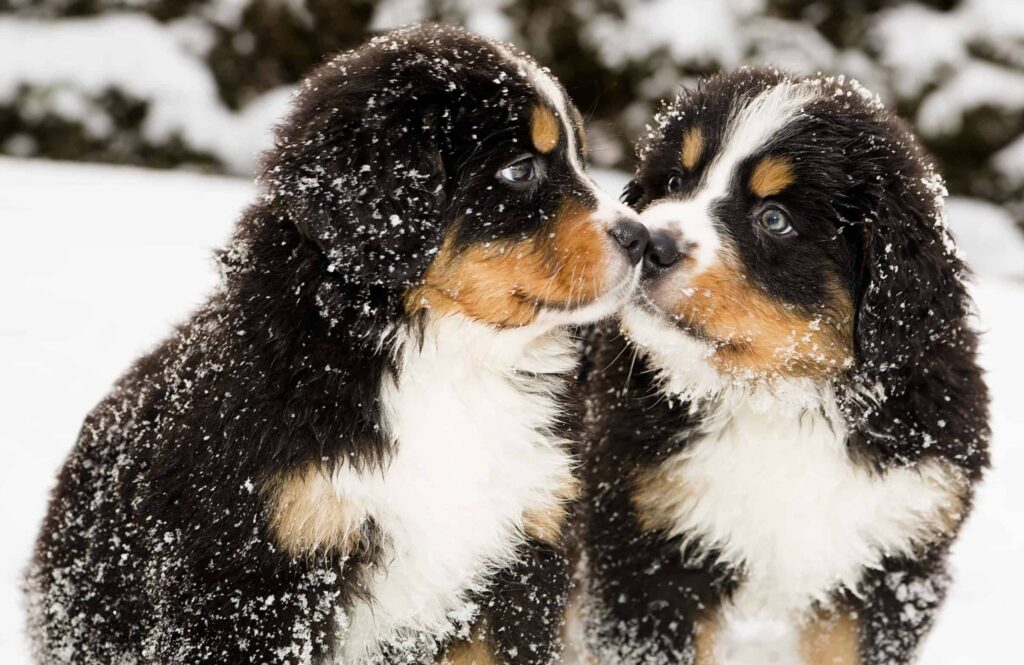
Bernese mountain dogs generally require at least 60 minutes of exercise daily.
Bernese mountain dogs are known for their gentle temperament and affectionate nature. Still, these intelligent dogs also have considerable exercise needs that must be met to ensure their overall health and well-being.
Despite their large size and calm demeanor, these dogs are not couch potatoes; they require regular physical activity to remain happy and healthy.
Daily exercise requirements
Bernese mountain dogs generally require at least 60 minutes of exercise daily.
This can be broken up into several sessions throughout the day and should include a mix of activities to keep them mentally and physically stimulated.
Types of exercise
Walks: Regular walks are essential. These should be brisk and can vary in length, but aim for at least 30 minutes to an hour daily.
They enjoy exploring their surroundings, as varying routes provide a good mental challenge.
Playtime: Interactive play, such as fetch or tug-of-war, is a great way for them to burn off energy while also strengthening the bond with their owners.
Off-leash activities: If possible, allowing them some off-leash time in a secure area can be beneficial.
They love to roam and explore, which satisfies their natural instincts.
Hiking: Bernese Mountain Dogs are great companions for hikes, given their history as working dogs in the Swiss Alps. They thrive in outdoor environments and benefit from the varied terrain.
Mental stimulation
Mental stimulation is crucial for Bernese mountain dogs.
Engaging them with puzzle toys, training sessions, or scent work can help prevent boredom, which can lead to destructive behavior if they do not receive sufficient mental stimulation.
Adjusting to age and health
As Bernese Mountain Dogs age, their exercise needs may change.
While puppies and young adults have boundless energy and require ample exercise, older dogs may need lower-impact activities.
Always consult with a veterinarian to create a suitable exercise plan tailored to your dog’s age and health condition.
Commonly asked questions
Q: What are the pros and cons of getting a Bernese mountain dog?
A: Pros of owning a Bernese mountain dog include their friendly and gentle nature, making them great family pets. They are known for their loyalty and are generally well-suited for families with children and other pets. Additionally, their beautiful, striking appearance is a bonus.
On the downside, dogs can be prone to specific health issues, such as hip dysplasia and certain types of cancer. Their large size also means they require more space and can be less suitable for apartment living.
Q: Are Bernese mountain dogs expensive to care for?
A: Yes, Bernese mountain dogs can be expensive to care for. Their initial purchase price can be high, especially if you choose a reputable breeder.
Ongoing costs include food, grooming, regular vet check-ups, and potential medical care for breed-specific health issues, which can add up over time.
Q: Why do Bernese mountain dogs have a short lifespan?
A: Bernese mountain dogs typically live for 7 to 10 years.
This is due primarily to genetic predispositions to specific health issues, particularly cancers and other diseases common in larger breeds.
Q: Are Bernese mountain dogs noisy?
A: Bernese Mountain Dogs are not typically known for being excessively noisy.
They may bark to alert their owners to strangers or unusual occurrences, but are generally not considered nuisance barkers.
Proper training can help manage their barking behavior.
Q: Are Bernese Mountain Dogs indoor or outdoor dogs?
A: Bernese mountain dogs can adapt to both indoor and outdoor living, but they prefer to be close to their families.
They should not be left outside for extended periods, especially in extreme weather conditions.
Final thoughts on Bernese mountain dogs
A Bernese mountain dog makes a wonderful family pet.
But caring for and training a Bernese mountain dog requires dedication, patience, and consistency.
The breed’s gentle temperament and intelligence make them wonderful companions, but they also require a stable environment where they can thrive both physically and mentally.
Regular exercise, proper nutrition, and socialization are crucial for maintaining overall health and well-being.
Training should focus on positive reinforcement techniques to foster a strong bond and encourage good behavior.
By meeting their needs and providing a loving home, you can ensure that your Bernese Mountain Dog leads a fulfilling life as a cherished family member.