
Is an Akita the right dog for you?
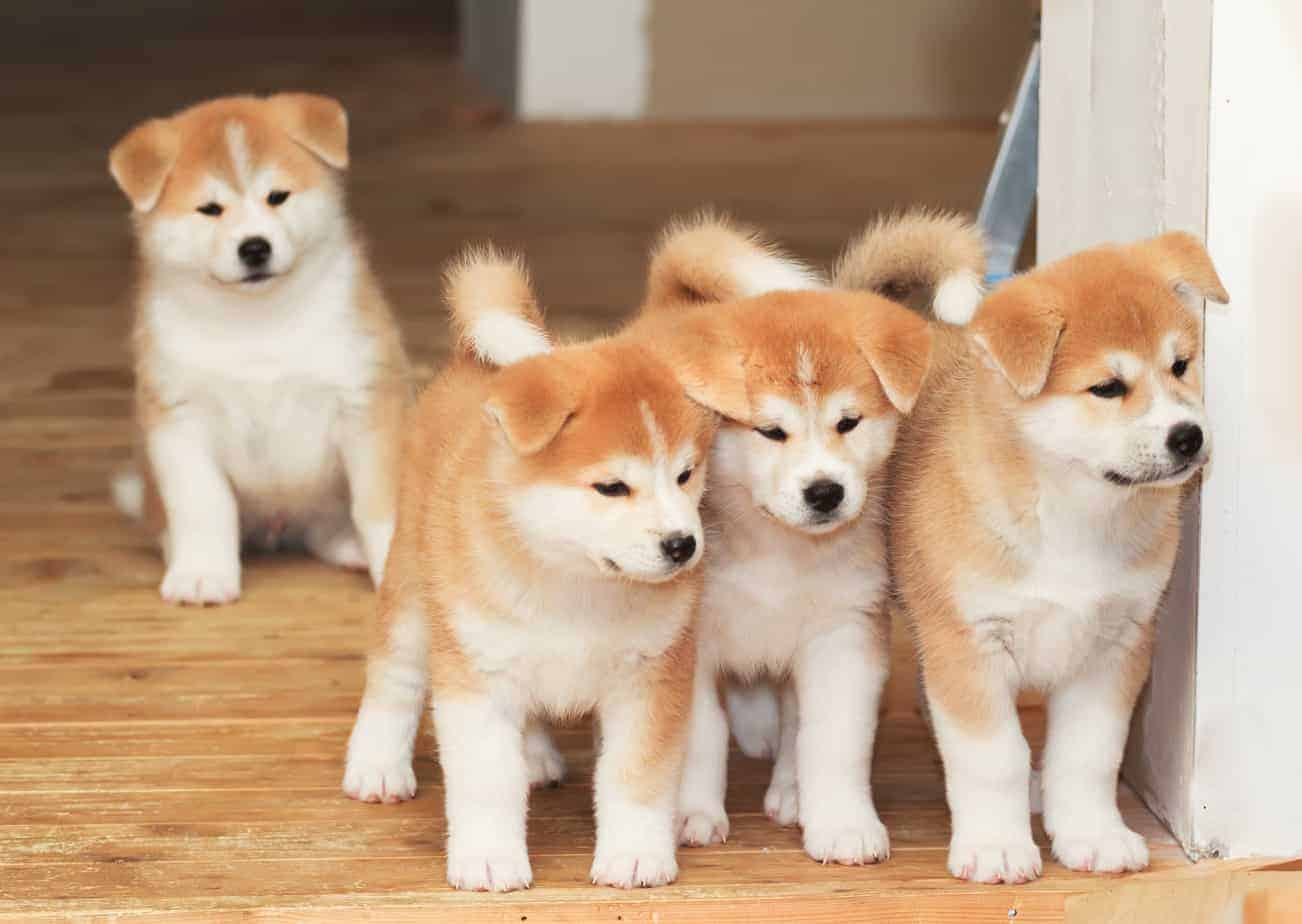
Courageous, dignified, and loyal. These are popular terms used to describe the Akita, a dog with a royal pedigree to match its noble looks.
Owning an Akita was once restricted to the Japanese imperial family and their court, and they remain a revered breed in that country. Parents still sometimes receive an Akita figurine upon the birth of a child as a symbol of happiness and long life.
Some of the same traits that made the Akita so beloved in their country of origin are what make them such dependable companions. They’re also excellent family guard dogs a recent report found that they’re one of the most popular guard dogs in the nation.
If you’re looking to add an Akita to your household, review their various characteristics below to see how well your situation matches their needs.
Breed characteristics
Members of the working group, Akitas are large dogs that average 100 pounds and stand anywhere from 24 inches to 48 inches at the shoulder. Their overall size, coupled with their massive heads, erect ears, triple-thick coat, and large curled tail, make these handsome dogs an easily recognizable breed.
That thick coat is a hallmark of Northern breeds, as it acclimates them perfectly to snowy climates.
However, Akitas also do well in warmer parts of the country with access to a climate-controlled environment, plenty of water, and shade when outdoors.
The dogs are often confused with the Husky, the Alaskan Malamute or the Shiba Inu, which has a similar appearance but is much smaller.
History
The Akita is a Japanese breed with roots dating back several centuries, originally bred in the Akita Prefecture for hunting large game like bears, boars, and deer.
One of the most famous Akitas, Hachiko, became a symbol of loyalty due to his devotion to his deceased owner, waiting at a train station every day for nearly ten years.
The breed faced decline during World War II due to crossbreeding, but dedicated enthusiasts revived it, leading to its designation as a national monument in 1931.
The Akita gained popularity internationally, particularly in the U.S., where the Akita Inu Association was established in 1956.
Today, the Akita is cherished for its strength, loyalty, and dignified presence
Temperament
Akitas thrive on human relationships, bonding closely with their people. They are also wary of strangers, which makes them naturally protective of their home and family.
Akitas should gain exposure to a variety of other people and places, especially while young, so they can learn that not everyone is a threat.
While every dog is an individual, Akitas tend to be intolerant of other animals, particularly dogs of the same sex. If you are looking to add to your current pack, you might want to explore a different breed.
The Akita is a strong, dignified breed known for its loyalty and independent nature. Here are some key traits and quirks to consider:
Loyalty: Akitas form deep bonds with their families and can be protective, making socialization important to manage their reserved nature around strangers.
Independence: Their strong-willed personality can lead to stubbornness, so consistent training using positive reinforcement is essential. Early socialization is crucial for good behavior.
Playful nature: They enjoy playtime and require mental and physical stimulation to avoid boredom, which can result in destructive behavior.
Quirky behaviors: Many Akitas have unique habits, like vocalizing their needs or circling before lying down. They may also have a strong prey drive, necessitating supervision around smaller animals.
Health issues
Bloating—an emergency that occurs when the stomach twists—is a serious health risk with any large breed of dog that also has a deep chest. There are no specific causes of bloat, though some vets suggest a preventive “tacking” of the stomach to the abdominal wall via a prophylactic gastropexy at the same time as neutering or spaying.
About 70% of Akitas are prone to developing hypothyroidism, so keep tabs on your dog’s T3 and T4 thyroid levels via regular blood tests.
Exercise and training needs
Akitas are athletic dogs who should get regular walks or jogs to help them maintain a healthy weight. This is especially important in larger dogs, so they don’t develop joint problems.
Because they were bred to be hunters, Akitas have a strong instinct to chase prey and shouldn’t be off-leash unless they are very responsive to voice commands.
Akitas are smart and strong-willed so that training can be challenging.
Always use positive training techniques when working with dogs of any breed, and take the time to find out what the most significant motivator is for your particular dog (dog treats, attention, toys, etc.) for the best results.
xxxx
Good family dogs?
Akitas can be an excellent choice for families, but their suitability largely depends on various factors including the family’s lifestyle, the dog’s training, and socialization.
Temperament: Akitas are known for their loyalty, confidence, and protective nature. They form strong bonds with their families and can be affectionate companions. However, they are also independent thinkers, which may require consistent training and leadership from their owners.
Socialization: Early socialization is crucial for Akitas. Exposure to different people, environments, and other animals while they are young helps them develop into well-rounded adults.
Without proper socialization, they may become wary or even aggressive towards strangers or other pets.
Activity level: Akitas are energetic dogs that need regular exercise to stay healthy and happy. They thrive in active households where they can participate in outdoor activities. A family that enjoys regular walks, playtime, and outdoor adventures would be ideal for an Akita.
Space requirements: While Akitas can adapt to various living situations, they do best in homes with ample space to roam and play. A fenced yard is beneficial, allowing them to burn off energy safely.
Children and other pets: Akitas can be good with children, but supervision is essential, especially with younger kids.
Their size and strength can unintentionally lead to accidents. As for other pets, cautious introductions are necessary, and they may not be suitable for homes with smaller animals due to their strong prey drive.
Grooming
The Akita’s lush coat benefits from frequent brushing, but about twice a year you’ll probably find massive furballs rolling under the furniture when your dog sheds his undercoat. This biannual event will likely require a trip to the groomer.
For home-grooming, stick to regular brushes and not those with blades designed to cut away the undercoat, as these can damage an Akita’s guard hairs.
Commonly asked questions
Q: Is an Akita an aggressive dog breed?
A: Akitas can be protective and may exhibit aggressive behavior if not properly trained or socialized. With proper guidance, they are loyal and can be gentle with their families. Early socialization and consistent training are crucial to help them grow into well-rounded dogs.
Q: Do Akitas have wolf DNA?
A: Akitas do not have wolf DNA in the way some might assume. They are a distinct breed with their own characteristics, but like many dog breeds, they share a common ancestor with wolves. However, this does not mean they exhibit wolf-like behavior.
Q: What are the pros of having an Akita?
A: Some pros of having an Akita include their loyalty, intelligence, and strong guarding instincts. They can be excellent companions and are known for forming strong bonds with their families. They also have a dignified and independent personality.
Q: What are the cons of having an Akita?
A: Some cons include their potential for stubbornness, which can make training challenging. They may also be aloof with strangers and require significant socialization. Additionally, they can be prone to certain health issues and may need regular exercise and mental stimulation to thrive.
Q: What is the life expectancy of an Akita?
A: The life expectancy of an Akita is typically around 10 to 15 years. Like any breed, their lifespan can be affected by factors such as genetics, diet, exercise, and overall healthcare. Regular veterinary check-ups can help ensure a healthy life.
Akitas can be great companions
As if being a fuzzy, friendly, royal breed doesn’t make the Akita appealing enough, consider the fact that these dogs often love to talk. Indeed, they can develop a whole vocabulary of grunts and mumbles that they use with their people—and who doesn’t love a dog who can keep up his end of the conversation?
Bailey Caldwell is a freelance writer who recently graduated with a degree in communication. She loves all things dogs! She has two furry friends named Skyler and Murphy. Skyler is a border collie and Murphy is a cocker spaniel. She loves to be able to write about anything to do with animals.