
How independent vs. dependent dogs will transform your daily life

ideal canine companion.
Do you love attention, need lots of people around you? If so, a dependent dog is the right choice for you.
But if you prefer private time, don’t want excessive attention-seeking, or a clingy dog, an independent dog is probably right for you.
So, how do you know which breed is best suited for your personality?
Do your homework before you choose a pup.
Research breeds that can peacefully co-exist with your character and lifestyle.
Not all dogs in a breed classified as independent are independent, and vice versa.
But by doing some research, at least you’ll have a starting point for which breed or mix might be best for you.
Independent dog breeds
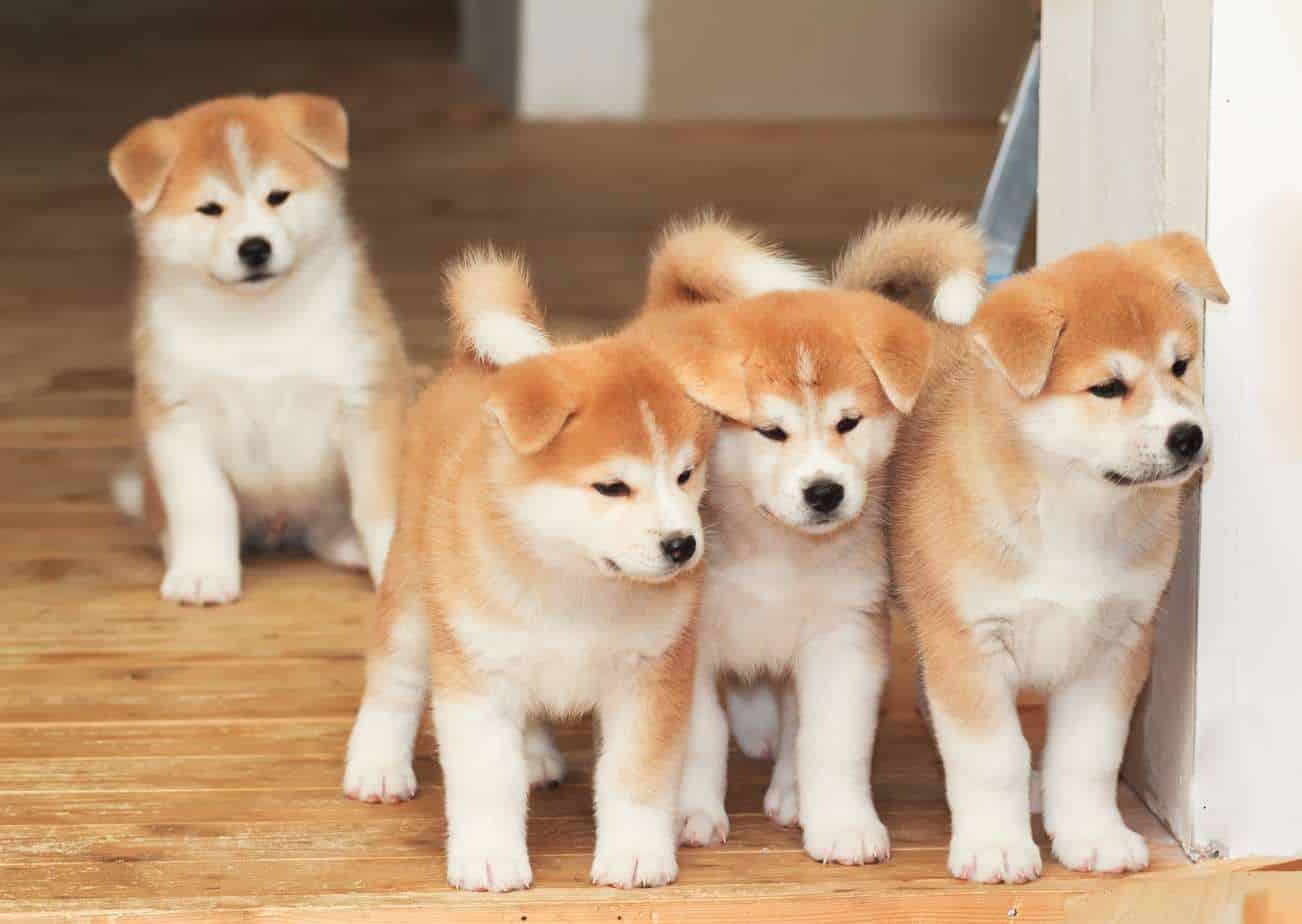
An independent puppy or dog doesn’t mean it’s not an affectionate or excellent companion for pet parents.
It simply means they are exceptionally content with their own company and don’t need to be constantly entertained by you.
Most tightly bond with their person and are very loyal and affectionate.
Yet, like you, they appreciate their alone time.
In most cases, the time you share is special and of higher quality, spent interacting.
Many working dogs fit the independent profile.
Independent dogs come in all shapes and sizes. They include West Highland Terriers, Rhodesian Ridgebacks, Akita, German Pinscher, Bull Mastiff, Shiba Inu, Chow-Chow, Neapolitan Mastiff, Irish Setter, Japanese Chin, plus many more.
Dependent dog breeds

It’s not just people who like to be the center of attention all the time.
There are dependent dog breeds that thrive on nonstop human interaction. Some are over-the-edge loving.
Others live solely to amuse their people.
Typically, they are puppies or dogs that want to cling to you like Velcro.
As ridiculous as it sounds, “out of sight, out of mind” is what they fear most.
Dependent dogs are known for their clinginess.
To them, there are no boundaries.
These velcro dogs are known for loyalty and will faithfully and tirelessly follow you from room to room, not even drawing a line at the bathroom door.
If you don’t mind a zillion interruptions, like being shadowed and adored, here are a few breeds you may want to consider.
They include Boxers, French Bulldogs, Shih Tzus, Great Danes, Australian Shepherds, Collies, American and English Mastiffs, Maltese, Havanese, Golden Retrievers, Labrador Retrievers, and Cavalier King Charles Spaniels, plus several more.
Choose the right breed
Are you ready for a dependent dog?
Before you choose a dependent dog, ask yourself these questions:
- How much time can you dedicate to your dog each day?
- Do you enjoy constant companionship, or do you value quiet moments?
- How do you handle interruptions or clingy behavior?
- Can you manage a dog that follows you everywhere, including the bathroom?
- Are you home most of the day, or can you take your dog with you?
Is an independent dog your match?
Before getting an independent dog, consider the following:
- Are you comfortable with a dog that doesn’t always seek your attention?
- Do you value having personal space and quiet time at home?
- Can you respect your dog’s need for alone time?
- Are you looking for a loyal companion that’s also self-sufficient?
Bottom line on dependent vs. independent dogs
Each animal is unique.
Socialization is essential for both types. There is no guarantee the puppies or dogs listed above fit the independent or dependent categorization, but it is a reasonable guide.
To be fair to your pet and to yourself, do your homework to find the perfect one.
While socialization is crucial for both types, training approaches differ:
Dependent dogs
- Highly motivated by praise and attention, making positive reinforcement extremely effective
- May struggle with separation anxiety if not trained early to spend time alone
- Excel at commands that involve interaction and pleasing their owner
- Require consistent boundaries to prevent clingy behavior from becoming problematic
Independent dogs
- Need patience and persistence as they’re less motivated by approval alone
- Respond better to reward-based training with high-value treats or toys
- May require more creative training approaches to maintain their interest
- Benefit from early socialization to prevent aloofness from turning into wariness
- Training sessions should be shorter and more engaging to hold their attention
Quick comparison: Dependent vs. independent dogs
Dependent dog traits
- Thrive on constant human interaction
- Follow you everywhere (yes, even the bathroom)
- Highly affectionate and attention-seeking
- Live to please their owners
- May experience separation anxiety
Daily needs
- Constant companionship and interaction
- Frequent praise and attention
- Mental stimulation through play
- Minimal alone time
- Regular physical contact
Ideal owner profile
- Works from home or has a flexible schedule
- Enjoys being followed and adored
- Comfortable with clingy behavior
- Prefers constant companionship
- Has time for frequent interaction
Popular breeds: Golden Retrievers, Labrador Retrievers, Australian Shepherds, Cavalier King Charles Spaniels, French Bulldogs, Maltese, Havanese.
Independent dog traits
- Content with their own company
- Affectionate but not clingy
- Self-sufficient and confident
- Loyal but respects boundaries
- Value alone time
Daily needs
- Quality time over quantity
- Mental challenges and problem-solving
- Respect for personal space
- Structured interaction periods
- Balance of companionship and independence
Ideal owner profile
- Values personal space and quiet time
- Appreciates quality over constant interaction
- Works outside the home regularly
- Comfortable with a less needy pet
- Respects their dog’s independence
Popular breeds: Akita, Shiba Inu, Chow-Chow, Rhodesian Ridgebacks, West Highland Terriers, Bull Mastiff, Irish Setter, Japanese Chin.
Karen A. Soukiasian is the owner of Good Dog! — Dog Training in St. Augustine, Florida. You can follow Karen on Facebook.