10 warning signs your dog is in pain (and what to do about it)
Learn the 10 warning signs your dog is in pain — from subtle behavior changes to urgent symptoms — so you know when to call your vet.


Use the DogsBestLife.com home page to find articles that will help you and your dog live life to the fullest.
That’s why we’ve created an online magazine to provide information for dog lovers to help you keep your pet happy, healthy, playful and loyal.
DogsBestLife.com focuses on dog health, dog training, dog adoption, dog fun and much more.
Want more news to help keep your dog healthy?
Sign up for DogsBestLife.com’s monthly newsletter
Is it better to have two dogs? If you plan to leave your dog during the day while you are at work, it may be better to have two dogs so that they can keep each other company.
Help your dog sleep all night: The most common cause of canine insomnia is pent-up energy. Help your dog sleep through the night by making sure she gets plenty of exercise.
Why does my dog get hiccups? Dog hiccups are so common some veterinarians think that they can be a part of the laundry list of “growing pains” some puppies must endure.
Could my dog have canine autism? Most puppies and dogs diagnosed with “canine autism” are reactive and often lack socialization skills. Reactive animals often inherit an anxiety disorder.
Use music to soothe separation anxiety: Soothe dog separation anxiety with music, not medication. The right tune can calm your dog so he can relax and fall asleep.
Aggressive puppy warning signs: Common aggressive puppy behavior warning signs: snarling, growling, mounting, snapping, lunging, challenging stance, aggressive barking and biting.
Couch potato dogs for couch potato owners: Make an honest assessment of your lifestyle to help you choose the right dog. If you’re a couch potato, get a couch potato dog, not a high energy dog.

Learn the 10 warning signs your dog is in pain — from subtle behavior changes to urgent symptoms — so you know when to call your vet.

New rescue dog? The 3-3-3 rule breaks down 3 days of shock, 3 weeks of trust-building, and 3 months to feel at home.

Spring hiking with dogs is rewarding — but risky. Learn how to prep your dog, avoid trail hazards, and pack essentials before you head out.
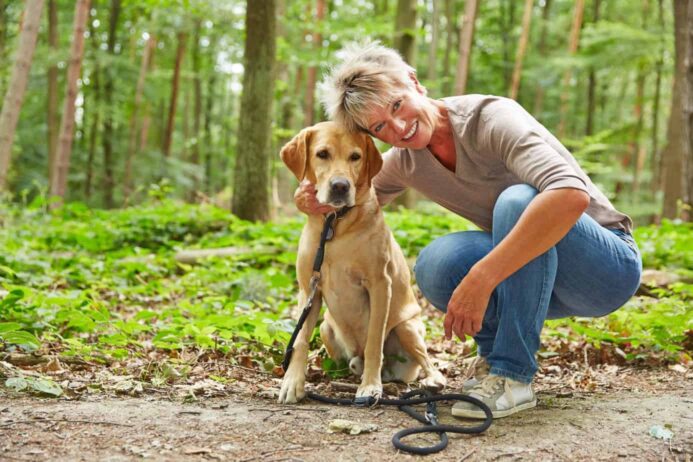
Senior dog spring exercise doesn’t have to be scary. Learn how to protect aging joints, build activity safely, and keep your older dog happy.

Artificial turf for dogs means no more muddy paws, worn patches, or constant upkeep — just a clean, durable yard your dog will love.

Socializing adult dogs (even rescues) is possible at any age. Learn proven techniques to help your dog feel safer, calmer, and more confident.

Learn proven, positive training techniques to reduce excessive barking — from identifying triggers to building lasting calm.

Spring shedding peaks when the days get longer. Here’s how to manage the mess, support your dog’s health, and know when to call the vet.

Spot the signs of pain in dogs before they get serious. Learn the subtle clues most owners miss — and what to do next.

Toxic spring plants, like daffodils, tulips, azaleas, lilies, and hyacinths, can be dangerous. Learn about them to keep your pup safe.
[mc4wp_form id=”13217″]